 SIGN-UP FOR THE MHPS NEWSLETTER!







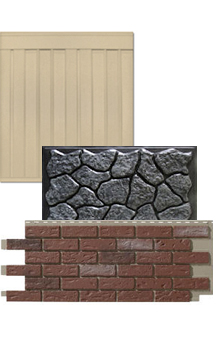





If you want to give your mobile home a fresh, natural look while also protecting its underside, Reil Rock skirting is a smart choice. This style of mobile home skirting looks like real stone and stands up well against weather, bugs, and shifting ground. It also helps keep your home more comfortable by blocking drafts and deterring pests from sneaking underneath.
In this guide, you’ll learn everything you need to know to install Reil Rock skirting—from measuring your home and gathering the right tools to securing each panel for a solid, long-lasting finish. By following these simple steps, you’ll boost your home’s curb appeal and add an extra layer of protection in one handy project. Let’s get started!
Measuring Your Home for Reil Rock Skirting
Measure Every 5 Feet
Walk around your home. Every 5 feet, measure from the ground up to the bottom edge of your house. This helps you figure out how tall each Reil Rock panel needs to be since the ground level can vary around the perimeter.
Add 3 Inches
Once you have each measurement, add 3 inches. This extra space helps when the ground slopes or if there’s small unevenness. It’s always easier to trim extra material than to come up short.
Panel Sizes
Standard Reil Rock panels finish at 57 inches tall. If you need mobile home skirting that’s 24 inches or less, you can order a 48-inch panel and cut it in half. Be sure to choose the right panel size for your home based on the measurements you took.
Tools and Accessories (Not Included)
Before you start your mobile home skirting project, gather the following items:
- Cutting & Measuring Tools: Utility knife, power saw with fine-tooth or concrete blade, tape measure, carpenter’s square, straight edge.
- Fastening Tools: Electric screwdriver or drill with 1/4″ hex head driver bit, hammer.
- Marking Tools: Chalk line, marking pencil.
- Installation Materials: 1″ hex head screws (for attaching panels, vents, and joining panels).
- Ground Prep Tools: Rake/hoe for dirt replacement and backfill.
Having these items on hand will make your Reil Rock installation faster and easier. Don’t forget to check local hardware stores or online shops for matching screw colors to keep your skirting looking neat.
Step 1: Installing Bottom Rails
Before attaching panels, decide which method works best for your situation. But first, do the following:
- Set a Reference Line: Use a level or plumb line to mark exactly where you want your bottom rail to be around the house.
- Lay Down Roof Starter or Shingles: Place a 9-inch asphalt roof starter strip or shingles around your home’s perimeter. This prevents grass and weeds from growing too close to your skirting and provides a steady base for your spikes.
Method 1: Using a Bottom Track
- Align Bottom Track: Make sure the track is in line with the home’s wall. Keep the track as straight as possible.
- Secure with Gutter Spikes: Hammer 8-inch gutter spikes through the track into the ground. This holds the track firmly in place.
- Insert Reil Rock Panels: Slide each Reil Rock panel into the track. Use 1-inch hex head screws every 12 inches to secure it to any available backing, like wooden stakes or the house’s frame.
- Trim for Ground Slope: If the ground isn’t level, trim the bottom edge of each panel at the same angle as the ground. This avoids gaps between the panel and the soil.
Method 2: Trenching
- Dig a Trench: Make a 3- to 4-inch deep trench around the home’s perimeter.
- Place Panels in the Trench: Stand each Reil Rock panel in the trench. Trim the bottom if your yard has an uneven slope.
- Backfill with Soil: Once the panels are in position, fill the trench with soil to hold them in place.
Additional Tips for Bottom Installation
- High-Wind or Loose Soil: If you live in a windy area or the ground is soft from recent digging, drive treated wood stakes behind the bottom track (Method 1) or behind the panel (Method 2). Secure panels to these stakes with screws.
- Concrete Bases: For concrete, use a 3/4-inch masonry nail, construction adhesive like “Liquid Nails,” or other similar fasteners.
Step 2: Installing the Top of the Panels
It helps to read Step 3 before you start this step since you’ll be connecting panels as you secure them at the top.
General Instructions
- In many cases, you’ll slip the top lip of each Reil Rock panel under the home’s siding.
- If you prefer to attach the panel directly to the outside trim, overlap by at least 2 inches.
- Never screw directly into vinyl siding, as mobile home skirting and vinyl can expand and contract at different rates, causing damage.
Two Common Methods
Screwing Through the Top Lip
- Keep the skirting at least 2 inches below the bottom edge of your home’s trim.
- Use 1-inch hex head screws to attach the panels to the wooden backing or framing.
Sliding the Top Lip Behind Siding
- Gently lift the siding or trim and slide the top lip underneath.
- Fasten the panel with screws once you’re sure it’s in the right position.
In Frost-Prone Areas
Where the ground can freeze and shift, consider adding a top metal rail or framing (1×4, 2×2, or 2×4 treated lumber). This method gives the skirting room to move when the ground expands in winter, helping avoid cracks in your Reil Rock.
Step 3: Connecting Reil Rock Skirting Panels (Do This Along with Step 2)
Remove One Lip
Look at the underside of a Reil Rock panel. On one side, you’ll see a lip. Cut this off by scoring along the edge of the rock face with a knife or saw. Removing this lip allows the new panel to overlap the previous one.
Overlap Panels
Place the cut edge on top of the flat lip of the panel that’s already installed. From the front, this overlap blends in nicely, giving your skirting a smooth, continuous look.
Screw Panels Together
Use matching-color 1-inch hex head screws in the mortar lines to connect both panels. You can “stack” panels if you need more height or have uneven ground.
Corners
Corners can be tricky, but Reil Rock panels are flexible when gently heated:
- Score the Panel: Mark where you want the bend. Lightly score the back of the panel with a utility knife.
- Apply Heat: Use a heavy-duty heat gun to warm the scored area.
- Bend Around Corner: Carefully bend the panel along the score. Move slowly to avoid cracking.
Framing (Recommended)
Even though Reil Rock is sturdy, adding vertical treated wood or U-channel drywall posts behind every joint keeps panels from blowing out or coming loose. Screws driven into this framing also hold tighter than screws in thin or flexible materials.
Ventilation
Because Reil Rock is nearly airtight, it doesn’t ventilate itself. You need foundation vents to let air flow under the home and keep moisture from building up.
Vent Inserts
Available in black or sandstone, each vent provides 28 square inches of airflow.
Cutting and Installing:
- Mark the panel where you want the vent.
- Cut an opening with a saw or utility knife.
- Insert the vent from the outside so the flange is visible on the panel’s surface.
- Secure with 1-inch hex head screws.
Vent Codes
Each location may have different rules for ventilation. A common requirement is 1 square foot of vent for every 150 square feet of mobile home skirting. Check local codes for specifics.
If you need more airflow, remove some louvers from the vent inserts or add extra vents around the home’s perimeter. In warm months, keeping vents open helps airflow. In cold weather, close them partially to keep in heat while allowing some ventilation.
Reil Rock Access Panels
At some point, you may need to get under your mobile home for repairs or inspections. An Access Door Conversion Kit lets you remove a full Reil Rock panel without cutting it. If your kit doesn’t include this, you can build a simple door by framing a panel with treated wood or attaching hinges. Place your access panel near important parts of your home’s underside, like water hookups or HVAC lines, to make maintenance easier.
Final Checks & Best Practices
-
- Level and Secure: Walk around the home and check if each Reil Rock panel is even and properly attached. Tighten any loose screws.
- Ventilation Requirements: Make sure your vent openings meet local building codes. Good airflow helps keep moisture out.
- Inspect for Gaps or Weak Spots: In high-wind areas, double-check that no panel is loose. Add more stakes or screws if needed.
- Ongoing Maintenance: The ground may shift over time, especially in places with frost or heavy rain. Inspect your mobile home skirting every few months. Tighten or replace screws and straighten any panels that have moved.
Conclusion
Installing Reil Rock skirting is a rewarding DIY project that boosts your mobile home’s curb appeal while adding an extra layer of protection. With the right tools, proper measuring, and secure installation, your skirting will stand strong against weather, pests, and shifting ground. Don’t forget to include ventilation to prevent moisture buildup and an access panel for easy maintenance.
Ready to get started? Find everything you need for your Reil Rock skirting project at Mobile Home Parts Store! From panels and vent inserts to the right fasteners and tools, we’ve got you covered. Shop now and give your home the upgrade it deserves!
Tags: mobile home skirting, mobile home underpinning, Reil Rock, Reil Rock skirting, Skirting, Stone skirting

