 SIGN-UP FOR THE MHPS NEWSLETTER!






Ever feel like your heating bill is draining your wallet faster than your home is staying warm? Making your mobile home more energy efficient isn’t just about saving money—it’s also about staying comfortable and cutting down on wasted energy and pollution. Older mobile homes, in particular, can benefit from improvements that reduce heat loss and heating fuel usage while boosting overall value and comfort. You don’t need an expensive renovation to see a difference; even small changes can lower your bills and keep your home cozy all year round.
Why Energy Efficiency Matters in Mobile Homes
Mobile homes are affordable and flexible, but many older models weren’t designed with energy efficiency in mind. This often results in higher heating and cooling costs, uneven temperatures, and moisture problems. Simple, strategic upgrades help stabilize your indoor climate, lower utility bills, and create a healthier home environment.
Major projects like adding new insulation or replacing windows can have a substantial upfront cost, but they also tend to pay for themselves over time. These updates often improve a home’s appearance and comfort while cutting down on energy consumption. Smaller steps—such as switching to efficient light bulbs or performing regular maintenance—are also budget-friendly ways to boost efficiency.
Improve Your Home’s Insulation
A well-insulated mobile home retains warmth in winter and stays cooler in summer without overworking your HVAC system. If you notice uneven temperatures, higher utility costs, or drafty spots, it may be time to improve insulation in your walls, underbelly, or roof. Adding insulation to the roof cavity can reduce heating costs by up to 15%, while underbelly insulation helps keep floors warmer and prevents heat loss.
Consult a professional if you’re unsure where to start. Common methods include blowing fiberglass insulation into roof cavities, installing insulation boards underneath the home, and adding layers of protection along walls.
Seal Gaps and Cracks
No matter how good your insulation is, air leaks around windows, doors, or vents can undermine your efforts. These gaps allow heat to escape in colder months and hot air to creep in during summer.
Products like weatherstripping and caulking seal up leaks quickly and affordably. Even small fixes can significantly stabilize your indoor environment and reduce energy usage.
Beyond insulation, another major source of energy loss is outdated windows and doors. Addressing these areas can further enhance your home’s efficiency.
Upgrade Your Windows and Doors
Install Energy-Efficient Windows
Windows affect your home’s climate in every season. Outdated or single-pane windows can let heat escape during winter and allow too much warmth in the summer. These issues increase energy bills and reduce comfort.
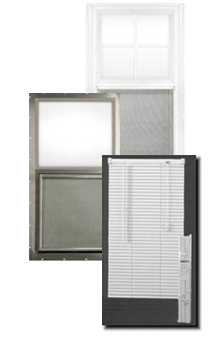
Upgrading to energy-efficient windows, such as Kinro Low-E Vinyl Windows, helps maintain stable indoor temperatures and eases the strain on heating and cooling systems. In colder regions, consider double- or triple-pane windows, which are especially effective at retaining heat.
Improve Your Door Insulation
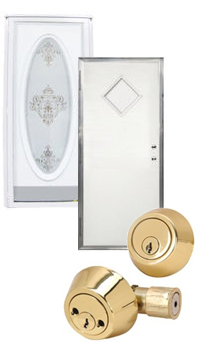
Insulated doors are another excellent way to minimize energy loss. Small drafts can drive up heating and cooling costs. Switching to steel or fiberglass doors with built-in storm doors can boost both safety and efficiency. Combination doors, like those from Mobile Home Parts Store, feature foam insulation and tightly sealed frames that keep indoor temperatures more consistent.
Improve Heating and Cooling Efficiency
Your HVAC system is crucial for a comfortable, energy-efficient home. Regular maintenance—cleaning filters, weeding around external units, and ensuring vents and ducts are free from obstructions—keeps your system running efficiently and reduces energy costs. Replacing dirty or damaged filters helps your unit work better and extends its lifespan. Coolant levels should also be checked, and leaks repaired promptly.
In some mobile homes, multi-head split systems are used to heat and cool individual rooms without significantly increasing electricity bills. Keeping these systems well-maintained is essential for performance and longevity.
Install an Energy-Efficient HVAC System
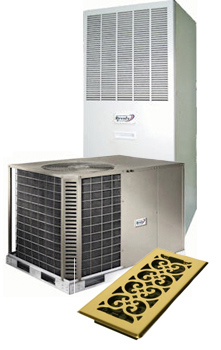
If your current unit is outdated, upgrading to a newer, more efficient system can lower energy bills while maintaining a steady temperature year-round. Brands like Nordyne™ offer systems designed specifically for manufactured homes.
Use a Programmable Thermostat
A programmable thermostat is one of the easiest ways to improve energy efficiency. Setting different temperatures for various times of the day prevents unnecessary cycling of your HVAC system. Keeping it slightly cooler at night or while you’re away can lead to notable savings.
Enhance Lighting Efficiency
In most homes, approximately 12% of the energy bill goes toward lighting. While replacing older bulbs with energy-efficient options like CFLs or LEDs can reduce energy use, the best long-term solution is maximizing natural light. Keeping fixtures clean also improves brightness without additional electricity use. Incorporating natural light solutions, such as skylights or strategically placed windows, not only reduces dependency on artificial lighting but also complements other energy-saving strategies in your home.
The Benefits of Natural Light
Skylights provide a natural way to brighten your home while reducing reliance on artificial lighting. Homes with strategically placed skylights can lower lighting energy use by up to 10%, cutting electricity costs while making rooms feel more open and inviting. If your mobile home isn’t suited for traditional skylights, tubular skylights or carefully placed energy-efficient windows can provide similar benefits without requiring significant structural changes.
Beyond lighting, another key area where mobile homes lose energy is through the roof itself.
Focus on Your Roof Coating and Energy Efficiency
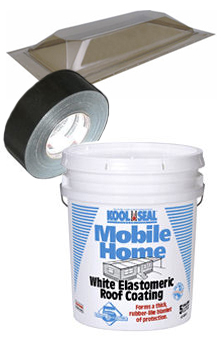
Applying a reflective roof coating can significantly improve energy efficiency in a mobile home. By reducing the number of harmful ultraviolet rays absorbed by the roof, these coatings help lower indoor temperatures and reduce the strain on cooling systems. Studies show that a well-applied reflective coating can cut air conditioning costs by 10% to 20%, making it a cost-effective way to improve comfort while lowering energy bills.
Another structural improvement for energy efficiency is modifying the roof’s slope. A slanted roof provides additional space for insulation, improving temperature regulation throughout the home. This adjustment not only enhances energy efficiency but also extends the lifespan of the roofing material by promoting better water drainage and reducing heat buildup.
Powering Up Your Mobile Home’s Efficiency
Energy efficiency isn’t just about lowering bills—it’s about creating a home that works smarter, not harder. Every improvement, big or small, makes a difference. Whether you’re sealing drafts, upgrading insulation, or investing in energy-saving windows and doors, these changes add up to a more comfortable, cost-effective living space. Think of it as an investment not only in your home but in your daily comfort and long-term savings.
The best part? You don’t have to tackle everything at once. Start with the easy fixes and build from there. When you’re ready to take the next step, Mobile Home Parts Store offers the supplies and guidance to make your upgrades seamless and stress-free.
Tags: energy efficiency, Kinro Vinyl Window, Kinro windows, Low-E windows, Sealants

