 SIGN-UP FOR THE MHPS NEWSLETTER!




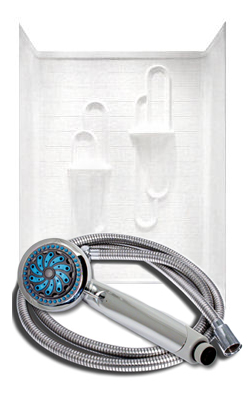


So, you’re thinking about updating the wall around your mobile home bathtub. Maybe the old one’s stained, cracked, or just tired-looking. Or maybe you’re remodeling and want a fresh start. Either way, a new shower surround is a smart upgrade. But before you dive into buying anything, there’s one thing that can make or break the project—getting your measurements right.
Don’t worry. Measuring for a shower surround doesn’t have to be stressful. We’re going to walk through it together, step by step, so you can move forward feeling confident, not confused.
Why Measuring Matters (Like, Really Matters)
Let’s get the big question out of the way: why does this even matter so much?
Small measurement mistakes can turn into big problems. We’re talking gaps that let water sneak behind your surround. That can lead to mold, rot, or worse—especially in a mobile home where the wall materials are often a little more vulnerable to moisture. Even being off by half an inch can throw the whole install off.
And then there’s the money side. If you order the wrong size and try to force it, you might end up wasting time, shipping fees, or even the whole unit. Measuring right the first time saves you that headache.
Plus, let’s be honest—it just looks better when everything fits the way it should. Clean lines, no awkward seams, no patch jobs.
Tub Surround vs. Shower Surround: What’s the Difference?
Before we jump into measuring, let’s make sure you’re shopping for the right thing.
- Tub surround: These are shorter. They’re made to go around a bathtub and usually stop just above the tub’s edge. Some are designed to work with a showerhead, but they’re still lower-profile.
- Shower surround: Taller and meant for stand-up showers. These usually go all the way to the ceiling or close to it and might not work well with a bathtub setup.
Not sure which you have? If your current wall panels reach up to your head or beyond, it’s probably a shower surround. If they stop near your chest or just above shoulder height, you’re working with a tub surround.
Step-by-Step: How To Measure for a Bathtub Wall Surround
Alright, let’s get to the good stuff. Here’s how you measure for a shower surround the right way.
1. Gather Your Tools
You don’t need much. Just:
- A metal tape measure (soft ones bend too easily)
- Pencil or erasable marker
- Notepad or your phone for notes
- A level (trust me, it’ll come in handy)
2. Clear the Area and Give It a Look
Take out any soap holders, baskets, or clutter. Wipe things down so you can measure on a clean surface. While you’re at it, check for water damage, bulges, or uneven walls. If you spot anything weird, make a note—it might affect the install later.
3. Measure the Wall Lengths
- Start with the back wall (the long one behind the tub).
- Measure from one edge to the other, right where the tub meets the wall.
- Then do the same for the left and right walls.
Write down all three numbers. Don’t assume they’re the same—sometimes they’re not.
4. Measure the Wall Heights
Now, measure from the top of the tub up to the height where you want the surround to stop. A good rule: aim at least 6 inches above the showerhead if you have one.
Do this on all three walls. One side might be slightly taller or shorter than the others, especially in older mobile homes.
5. Measure Tub Depth
This one’s easy to skip, but don’t. Measure from the outer edge of the tub straight back to the wall. That tells you how much the side panels will need to wrap around.
6. Note Fixture Locations
This is where most people trip up. Take a look at any faucets, showerheads, handles, soap dishes, or grab bars. Measure how far they are from the edges and how high off the tub they sit. This info helps when it’s time to cut the panels—so you’re not guessing with a jigsaw later.
7. Check for Level
Grab your level and place it on each wall. If things are a little off-kilter (very common in mobile homes), you’ll want to know now. You might need to shim things slightly during installation to keep everything flush.
Common Mobile Home Surround Sizes
Now that you’ve got your numbers, how do they compare to what’s available?
Most mobile home bathtub surrounds come in these sizes:
- 54″ x 27″ – This is the go-to for many mobile homes.
- 54″ x 54″ – Common for corner tubs.
- 54″ x 30″ – A little wider but still mobile-home friendly.
You might see residential sizes like 60″ x 30″ or 60″ x 32″—those are standard for site-built homes. Some newer mobile homes use those too, but don’t assume. Always go by your actual measurements, not what you think the size should be.
What Are Shower Surrounds Made Of?
Not all shower surrounds are created equal. Here’s a quick breakdown of the most common materials:
Acrylic or Plastic
Lightweight, affordable, and easy to install. These are great if you’re on a budget and want something simple that still looks clean.
Fiberglass
A step up in durability. Fiberglass is tougher, better at blocking sound, and tends to hold up longer. It’s a bit more expensive, but it’ll likely last you years.
Other Options
Want something a little fancier? Some surrounds are designed to look like tile or stone without the work or price tag. These can really elevate the look of your bathroom without a major renovation.
That’s a Wrap (Around Your Tub)
See? Measuring for a new shower surround doesn’t have to be complicated. You’re not building a rocket—just making sure your bathroom stays dry, looks good, and works the way it should.
So now that you’ve got the know-how, what’s next?
When you’re ready to buy, check out Mobile Home Parts Store. We’ve got surrounds that actually fit mobile homes—not just adapted residential options. Whether you’re swapping out a 54″ x 27″ panel or upgrading a corner tub, they’ve got what you need to get the job done right.
Take your measurements, pick your style, and start turning that bathroom into something you’ll be happy to look at every day.
Let me know if you’d like an alternate CTA at the end, or if you’d like to adapt this into a print version or social cutdown!
Tags: bathtub surround, mobile home tub surround, shower surround, surround bath surround

