 SIGN-UP FOR THE MHPS NEWSLETTER!






You don’t think much about your mobile home roof—Until the drip starts
Or the ceiling stains. Or the strange soft spot that definitely wasn’t there last year.
The truth is, your roof probably isn’t something you think about every day. It’s just there, quietly doing its job… until something goes wrong. When it fails, it quickly takes center stage—and for good reason. Your roof protects everything underneath it. It keeps out moisture, helps regulate your home’s temperature, and saves you from expensive repairs when it’s working the way it should. But like anything else in your home, it wears out. The trick is knowing when a small issue can be repaired—and when it’s time for something more.
That’s what we’ll cover here: how to recognize the signs, understand your roof’s structure, and make decisions that help you stay ahead of problems—not just patch them up when they’ve already gotten big.
Let’s Start With What’s Overhead
Before you can fix or replace a roof, it helps to know what kind you’ve got. Mobile home roofs vary, and their structure and materials will shape how you maintain them—or when you should replace them.
Flat vs. Pitched Mobile Home Roofs
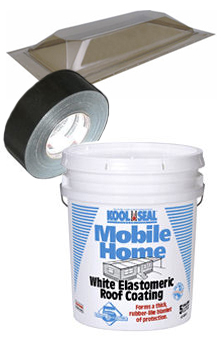
Flat roofs are common on older mobile homes. They’re straightforward, easy to walk on, and generally simpler to inspect. But that simplicity comes with a tradeoff: they don’t shed water very well. Rain, snow, and leaves tend to collect, and standing water is never a good sign. Coatings like Kool Seal® can help with reflectivity and moisture protection, but you’ve got to stay on top of maintenance.
Peaked or pitched roofs, on the other hand, are often added during renovations. These offer better drainage, hold up well in different climates, and tend to look more like traditional homes. They’re usually more energy-efficient and allow for more material choices.
Common Roofing Materials
Here’s a quick breakdown of what you might have on top of your home—and what that means:
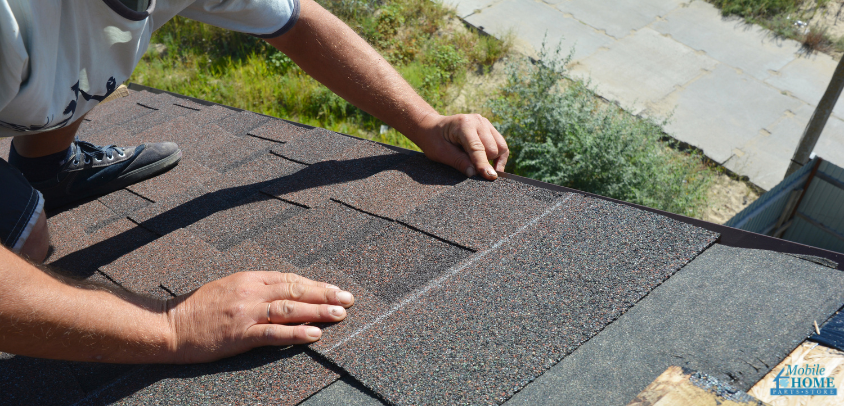
- Asphalt Shingles: Popular and affordable. These tend to last about 10–15 years on a mobile home but shouldn’t be layered due to weight limits. A decent option with a moderate lifespan—not a forever solution.
- Aluminum Roofing: Lightweight, rust-resistant, and seriously long-lasting. With proper care, aluminum roofs can hold up for 30 to 60 years. But if one area gets damaged, the whole sheet may need replacing. Insulation is important to prevent condensation issues inside your home.
- TPO (Thermoplastic Polyolefin): A favorite for flat or low-slope roofs. It reflects sunlight, helps cut energy costs, and can last 15 to 25 years. But installation is everything—get it wrong, and you’re inviting leaks at the seams.
- EPDM (Rubber Roofing): Flexible and durable. It handles temperature changes well and resists UV rays. A strong option for many climates, with a lifespan similar to TPO. It does require occasional resealing.
- Rolled Roofing: Budget-friendly and quick to install. Often used as a temporary or emergency fix. It usually lasts 10–20 years but doesn’t offer the same durability or energy benefits as other materials.
How Do You Know It’s Time?
You don’t need to be a roofer to spot the warning signs. In fact, you’ll usually notice something off long before a full failure happens—if you know what to look for.
After a Major Storm
Even if everything looks fine from the ground, it’s worth checking for:
- Missing or cracked shingles
- Torn seams in a TPO roof
- Dents or debris on metal roofs
- Flashing that’s come loose
Sometimes, it’s the small things—one lifted shingle or dislodged panel—that open the door to bigger issues.
Water Damage Inside
That stain on the ceiling? It could be more than just an old spill. Look for:
- Brown spots, peeling paint, or bubbling
- Mold or mildew near the roofline
- A musty smell that doesn’t go away
Leaks don’t always show up with a drip—they can quietly work their way in over weeks or months.
The Return of the Leak
If you’ve patched a leak (or two) and water’s still finding its way in… that’s a red flag. Recurrent leaks often mean there’s a bigger issue beneath the surface.
Soft Spots or Sagging
If you feel a soft spot when walking on the roof—or see a dip from the street—that could mean rot or weakened framing. Don’t wait on this one.
Age Counts Too
Even if everything seems fine, it’s worth checking your roof’s age. Here’s a quick guide:
- Asphalt shingles: 10–15 years
- Aluminum: 30–60 years
- TPO/EPDM: 15–25 years
Older materials might still hold up, but often lack energy efficiency and weather resistance compared to newer options.
Should You Repair It or Replace It?
A Repair Might Be Enough If:
- There’s just one small leak
- You’re not seeing signs of structural damage
- It’s a flashing or sealant issue—not the material itself
- Your roof’s still within its expected lifespan
But a Replacement Is Worth Considering When:
- Damage appears in multiple spots
- Leaks keep coming back
- You’ve spotted sagging or soft areas
- It’s been repaired multiple times or is aging out
A good rule of thumb? If you’re constantly heading up there with sealant or tape, it’s time to look at the bigger picture.
What Happens If You Wait?
Structural Damage
Leaks don’t stay put. They can spread into roof supports, walls, and ceilings—turning a small fix into a major renovation.
Mold & Mildew
Moisture trapped in ceilings and wall cavities can lead to mold, which spreads fast and compromises indoor air quality.
Higher Energy Bills
A damaged roof doesn’t insulate well. That forces your heating or cooling systems to work harder—raising your monthly bills.
Planning Ahead for a Mobile Home Roof Replacement
Budgeting
Costs will vary based on:
- Roofing material
- Labor and disposal of old roofing
- Roof type (peaked roofs usually cost more)
- Any structural repairs needed
Getting multiple quotes helps set expectations.
Choosing Materials
Think long-term:
- TPO is great for hot climates
- Aluminum is long-lasting and low-maintenance
- Asphalt is budget-friendly but may need replacing sooner
Factor in your climate, how long you’ll stay in the home, and how much maintenance you’re willing to do.
DIY or Professional?
Before you grab a ladder, consider the scale of the job. Small fixes like resealing or coating may be DIY-friendly. But full replacements—especially with materials like TPO or aluminum—are best left to pros.
Professional roofers bring:
- The right tools and safety knowledge
- The ability to spot deeper structural issues
- Proper sealing at seams, edges, and vents
- Valid warranties that often require pro installation
DIY is great for small upkeep, but a full replacement? That’s a job worth hiring out.
Final Thoughts: Don’t Wait for the Drip
Your mobile home roof works hard to protect your space from the elements—but even the toughest roof needs a little attention over time. Catching problems early means fewer surprises, lower costs, and more peace of mind.
If your roof’s showing signs of wear, don’t wait for the leak to get worse. Sometimes, the right product makes all the difference. At Mobile Home Parts Store, we carry trusted roofing supplies—including Peel & Seal®, Kool Seal® roof coatings, and other repair materials—to help you stay ahead of roof trouble.
The sooner you seal it, the longer it lasts. Browse our roofing supplies and protect your home with confidence.
Tags: mobile home roof, Mobile Home Roof Coating, mobile home roof repair, roof repair

