 SIGN-UP FOR THE MHPS NEWSLETTER!






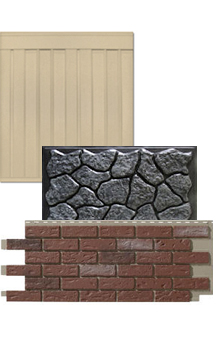






If you love the idea of giving your home a more finished, home‑sweet‑home look without calling in a crew, installing brick skirting can feel like the perfect weekend upgrade. Novik’s molded polymer panels pair classic masonry style with materials that are light, forgiving, and ready for DIYers who own a cordless drill and a can-do attitude.
Below, you’ll find a beginner‑friendly road map that follows Novik’s official instructions—plus a few real‑world tips to keep the project smooth and stress‑free.
1. Plan With Purpose
Measure and Map it Out
Grab a tape measure and jot down the full perimeter of your home, noting the tallest ground‑to‑base distance. Multiply to find square footage and add 10 percent for off‑cuts, vents, and a rainy‑day replacement panel.
Gather the Right Gear
You’ll need:
- Brick skirting panels, starter strip, decorative corners, J‑channels, and horizontal strapping
- Tape measure, 4‑foot level, chalk line, and safety glasses
- Circular saw with a fine‑tooth finishing blade (polymer cuts clean and quick)
- Hammer or driver, 1 ⅝‑in. exterior screws or roofing nails
Understand Expansion
Polymer moves with temperature swings. Every hole you drive a fastener through is oversized so the panel can slide a touch—important for keeping seams tight season after season.
2. Build the Backbone
A sturdy frame is the unseen hero of your brick skirting project. Vertical posts should land no farther than 36 inches apart; horizontal strapping needs to run perfectly flush.
- Set the first strap directly under the home.
- Add the second strap exactly 17 ¾ in. above the first. (If your wall is taller, continue that 17 ¾‑in. rhythm.)
- In frost‑free climates, anchor the frame into the ground. If the soil freezes where you live, hang the frame 6 in. above grade and stake it for stability.
- Sight down the lumber—any bows will telegraph through the panels later.
3. Lay the Ground Row
The starter strip locks every panel in place, so take your time here.
- Begin at the lowest point of the home and work left to right—a simple rule that prevents headaches later.
- Keep the strip 1 in. away from the corner to leave space for decorative pieces.
Fasten every 12 in., driving nails in the middle of the slot and stopping short so there’s a 1⁄16‑in. gap between nail head and vinyl. That hairline space lets the panel float as temps rise or fall.
If you need to trim the bottom edge off the panels (rare but happens on uneven ground), skip the starter strip and face‑nail the first course through the mortar line. Pre‑drill holes wider than the shank but smaller than the head to keep the expansion game intact.
4. Bring the Walls to Life
Now the fun part—clicking panels together until the house looks brand‑new.
- Trim the left edge of your first panel so it’s square, then slide the bottom lip into the starter strip and nudge the side into the corner J‑trim, leaving a ¼‑in. expansion gap.
- Drive five fasteners per full panel—one in the center hole first, then the others—no more than 16 in. apart. Remember the golden rule: leave that 1⁄16‑in. breathing room under each head.
- Keep marching right, locking each brick skirting panel securely to the last. If a cut removes the factory center slot, drill a fresh ⅛‑in. hole at the same height.
- Stagger the seams. For the second row, cut the starter piece 16 in. shorter so vertical joints never stack. Alternate every row so the layout feels like classic brickwork.
5. Dress the Corners
Novik’s decorative corner system snaps together almost like building blocks.
- Install the first corner base on each adjoining wall as soon as the starter strips are in, leaving ¼ in. under the base for the panels to expand.
- Panel rows slide up to ¼ in. shy of the corner base. Once two walls are finished to that height, pop on the matching corner face.
- Work upward row by row, always checking that the corner’s bottom edge aligns with the panel run. Mortar lines won’t always match perfectly—and that’s okay. Trust your level more than your eyes.
A thoughtfully handled corner elevates the look of your brick skirting at every turn.
6. Finishing Touches & Everyday Care
Cap the Top
Snap an inverted J‑channel over the final panel course for a watertight, professional edge. Keep it level and leave the same ¼‑in. gap where it meets trim or a neighboring wall.
Plan for Access
If you’ll need to reach plumbing or storage, leave one panel unscrewed along the top so it can be lifted off later. A discreet line of stainless screws makes the access point blend right in.
Keep it Clean
Hose off dust a couple of times a year, or wipe with mild soap and water if you spot road splash. Harsh cleaners and stiff brushes aren’t necessary.
Seasonal Check‑in
After a hard freeze or heavy storm, walk the perimeter. Look for lifted panels or a stray fastener that worked loose. A two‑minute check now beats a big repair later.
Wrapping It Up
Installing faux brick skirting is one of those projects that rewards you the moment the final panel clicks into place: the crawl space vanishes, the profile looks taller, and the whole exterior feels pulled together. Novik’s molded panels take grout lines, texture, and shade cues straight from real masonry, yet they’re light enough to lift with one hand and forgiving enough for first‑time installers.
When you’re ready to gather materials, head over to the Mobile Home Parts Store. You’ll find Novik panels, strapping, trim, and every fastener required to finish strong—all in one place. Put on a good playlist, follow each step, and by Sunday dinner you’ll have a fresh new skirt and a well‑earned sense of pride.
Tags: Brick Skirting, how to, mobile home skirting, mobile home skirting panel, Novik Skirting

