 SIGN-UP FOR THE MHPS NEWSLETTER!




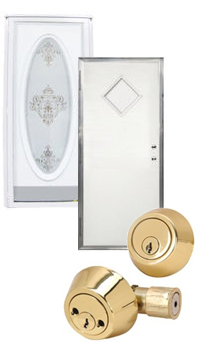


When you’re shopping for a new mobile home door, you’re not just picking out something that opens and closes. You’re choosing how your home stands up to weather, how it keeps your energy bills in check, and how it looks from the curb. And let’s be honest—if your current door is warped, drafty, or just plain outdated, it’s probably time for an upgrade.
The material you choose makes a big difference. Some doors are built to take a beating from the weather. Others are all about looks. The trick is finding the one that works best for your climate, lifestyle, and budget. Let’s walk through your main options—steel, fiberglass, and wood—and help you decide what’s right for your home.
What to Think About Before You Buy
Not all mobile home doors are created equal. The material you choose will affect how your door holds up over time, how much maintenance it needs, and even how comfortable your home feels inside.
Here are a few things to keep in mind:
- Durability: Will the door handle rain, sun, and temperature changes without cracking or rusting?
- Insulation: Can it help keep your home warm in winter and cool in summer?
- Maintenance: Are you okay with repainting or refinishing? Or do you want something you can mostly forget about?
- Style: Do you want something sleek and modern—or a more classic, traditional look?
- Budget: What’s the upfront cost? And what about long-term upkeep?
With those questions in your back pocket, let’s break down the materials.
Steel Doors: Tough, Secure, and Budget-Friendly
If your top priorities are strength and value, a steel door is hard to beat. It’s one of the most common materials for a mobile home door—and for good reason.
Pros:
- Great Security: Steel is solid. It’s hard to kick in, doesn’t warp, and holds up well to bumps and scrapes.
- Low Maintenance: It won’t rot or crack, and most come pre-finished with a paint or baked enamel coat.
- Affordable: Typically less expensive than fiberglass or solid wood.
Cons:
- Can Dent or Rust: If the paint chips or the door takes a hit, dents and rust can show up.
- Not Great in Coastal Areas: If you live near salt air or high humidity, you’ll need to keep an eye on corrosion.
- Limited Design Options: Steel doors lean more toward function than flair.
Bottom line? A steel mobile home door is a solid, practical option—especially if you’re focused on security and cost.
Fiberglass Doors: All-Weather Performance with Style
Looking for something that looks good, lasts long, and doesn’t need much fuss? Fiberglass might be the way to go. It’s a favorite for homeowners who want performance without the maintenance headache.
Pros:
- Excellent Durability: It resists cracking, swelling, warping, and rust—perfect for all types of climates.
- Energy Efficient: Most fiberglass doors come with a solid insulated core that helps keep the heat in (or out).
- Style Variety: You can find fiberglass doors that mimic wood grain or have sleek, modern finishes.
Cons:
- More Expensive Upfront: You’ll likely pay more than for a basic steel door.
- Harder to Modify: Fiberglass isn’t as easy to trim or tweak if you’re working with a tight frame or uneven opening.
If you want a mobile home door that balances performance and looks—without needing a lot of upkeep—fiberglass is a strong contender.
Wood Doors: Classic Looks, but Needs More Care
There’s nothing quite like the warmth and charm of a real wood door. It’s got that timeless appeal that never goes out of style. But with that beauty comes a little more responsibility.
Pros:
- Natural Beauty: Wood doors offer rich, warm finishes and can be customized with stains or paint.
- Solid and Heavy: Some people just like the feel of a heavier, traditional door.
- Decent Insulation: A solid wood door can block drafts fairly well—if it’s properly sealed.
Cons:
- Needs Regular Maintenance: You’ll likely need to reseal or repaint every few years, especially if your door gets a lot of sun or moisture.
- Price Tag: Solid wood can be one of the more expensive options.
- Weather Sensitive: Wood can expand, contract, or warp depending on temperature and humidity.
If you don’t mind a little maintenance and love that classic look, a wood mobile home door might be worth it—especially in milder climates.
Quick Comparison: What’s Right for You?
Still not sure? Here’s a quick side-by-side to help you weigh your options:
| Feature | Steel | Fiberglass | Wood |
|---|---|---|---|
| Durability | Strong, dent-prone | Very durable | Moderate (weather-sensitive) |
| Energy Efficiency | Moderate | High | Moderate to high |
| Maintenance | Low | Very low | High |
| Curb Appeal | Simple designs | Stylish and versatile | Classic and warm |
| Cost | Budget-friendly | Mid-to-high | Higher |
| Climate Fit | Dry climates best | Great in any climate | Mild climates only |
A Few Final Tips Before You Buy
- Get the Fit Right: Mobile home door sizes can be a little different from standard doors. Make sure to measure carefully—or better yet, double check with the supplier or installer.
- Consider Pre-Hung Doors: These come with a frame, which can simplify installation and ensure a better seal.
- Don’t Skimp on the Hardware: A good door is only as good as the lock and hinges you pair it with.
Wrapping It Up
Choosing the right mobile home door comes down to balancing what you need with what you love. If you’re after strength and affordability, steel might be your best bet. Want something stylish and low-maintenance? Fiberglass has your back. Prefer timeless charm and don’t mind putting in the effort? Wood could be the winner.
Whatever direction you go, make sure it fits your climate, your budget, and your goals for comfort and security.
Looking for options? Mobile Home Parts Store offers a reliable selection of steel mobile home doors, including combination doors and out-swing styles—built for durability and designed to handle real-world use. If you’re ready to replace or upgrade, we’ve got solid steel choices ready to ship.
Tags: Doors for Mobile Home, mobile home door, Mobile home doors, mobile home exterior doors, outswing door

