 SIGN-UP FOR THE MHPS NEWSLETTER!














Skirting boards might not be the flashiest part of a mobile home remodeling project, but don’t underestimate their impact. They pull your home’s look together, help seal off the underside from animals and moisture, and even boost energy efficiency. Whether you’re replacing old panels or adding skirting for the first time, a little planning goes a long way.
With the right tools, a clear timeline, and a solid idea of what to expect, your skirting project can be a smooth, satisfying weekend upgrade.
Step 1: Get Those Measurements Right
Measure the Perimeter
Before you buy anything—or even start browsing—you’ll need to measure your home. Yes, it takes a bit of time, but it’ll save you a lot of frustration (and return trips) later.
Start by measuring each side of your home and round up to the nearest foot. If you’ve got extensions, porches, or decks, include them too. For example, a home that’s 27 feet wide and 50 feet long has a perimeter of 154 feet (27 + 27 + 50 + 50).
Calculate Average Height
Since ground levels aren’t always even, measure the distance from the ground to the bottom of your home in at least six spots—four corners and the center of each long side. Add the six numbers together, divide by six to find the average, and tack on an extra inch or two for good measure.
Estimate How Many Skirting Boards You’ll Need
If you’re using 48-inch wide skirting boards, divide the total perimeter by 4 to find out how many panels you need. Round up, then add a few extras for trimming or mistakes.
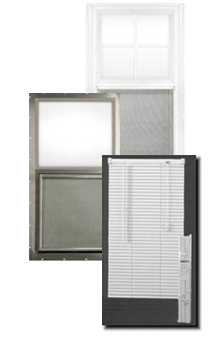
Don’t forget accessories: vents, corner pieces, access panels, and top/bottom rails. These smaller components help everything fit together correctly and improve durability.
Step 2: Gather Tools & Prep the Space
You don’t need a garage full of tools—just a few reliable basics. Here’s a handy checklist:
- Tape measure
- Level or plumb bob
- Chalk line or string
- Tin snips or utility knife
- Circular saw with fine-tooth blade (optional but helpful)
- Power drill with 1/4″ hex-head driver bit
- Snap-lock punch tool
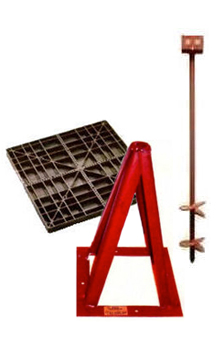
- Hammer and ground spikes or screws
- Rake and hoe for soil prep
Prepare the Ground
Before installing anything, clear the perimeter of rocks, roots, and uneven soil. Level it out the best you can. If your soil is loose or you live in a high-wind area, add treated wood stakes or windguard rods for extra stability behind your panels.
Consider Weather Conditions
If you live in an area where the ground freezes, add a top framing piece (like a treated 2×4). This helps prevent damage when the ground expands and contracts through the seasons.
Step 3: Set a Simple, Doable Timeline
Breaking up your skirting project into daily tasks keeps things manageable and helps you stay motivated.
Day 1: Measure, plan, and gather supplies
Day 2: Prep the ground and install the bottom rails
Day 3: Add top rails and begin installing panels
Day 4: Finish panels, corners, vents, and access panels
Day 5: Final inspection, gap sealing, and cleanup
Build in Buffer Time
You might get it done in a weekend—or you might hit a delay. That’s totally normal. Give yourself a cushion for weather, supply issues, or life getting in the way. It’s better to go slow and get it right.
Stay Organized
Make a checklist or project notebook. Breaking the job into smaller pieces—like “cut corner pieces” or “install vents”—makes it feel less overwhelming and lets you track your progress.
Step 4: Installation Best Practices
Start at the Bottom
You can either dig a shallow trench or install a bottom track. Trenching gives you a little more hold in soft soil, while tracks are quicker if your ground is already level.
Whichever method you choose, make sure everything’s lined up and secure. If your skirting boards are going into a bottom track, hammer in spikes every 16–19 inches for stability.
Install the Top Rails
Top rails give structure and support to your panels. Make sure they’re level, and leave a little space—about 1/16″—at the joints to allow for temperature expansion. Don’t overtighten the screws; panels need a little flexibility.
Place Skirting Boards Left to Right
Start from the lowest corner of your home and work left to right. Maintain a 1/4-inch gap between the top of the panel and your home’s siding. Secure each panel with five evenly spaced screws, using the provided oblong holes to allow for natural movement.
If the panels interlock, overlap them slightly and connect as you go.
Don’t Forget Vents and Access Panels
Add ventilation according to local building codes. Most require 1 square foot of vent space per 150 square feet of skirting. Space your vents evenly and secure them with matching screws.
Add at least one access panel near utility hookups or HVAC lines. Trust us—you’ll be glad you did when it’s time for repairs.
Step 5: Finishing Touches & Seasonal Maintenance
Final Walkthrough
Take a slow lap around your home. Check that all panels are level, firmly attached, and properly aligned. Tighten any loose fasteners and look for small gaps—especially around corners or uneven terrain.
Keep it Looking Good
Cleaning is easy. Just rinse your skirting boards with soap and water a few times a year. Avoid using lawn tools too close—string trimmers can chew through panels faster than you’d think.
Regular Maintenance
Twice a year (spring and fall are ideal), inspect your skirting for wear and tear. Look for cracked panels, shifted rails, or screws that need tightening. Quick fixes now help avoid bigger repairs later.
That’s a Wrap—Right Around Your Home
Skirting boards might not steal the spotlight in a mobile home remodeling project, but they definitely pull their weight. With the right prep, they improve your home’s appearance, increase energy efficiency, and provide year-round protection.
If you take the time to measure carefully, choose the right tools, and pace yourself, installing new skirting can be one of the most rewarding upgrades you’ll make.
When you’re ready to get started—or if you just need help choosing the right materials—Mobile Home Parts Store offers everything you need to plan and complete your skirting project, from panels and vents to how-to guides and calculators.
Tags: how to, mobile home, mobile home skirting, Skirting, skirting board, Skirting for mobile home

