 SIGN-UP FOR THE MHPS NEWSLETTER!








Some days, the air inside feels… off. Maybe it’s a little stuffy after running the heat all week, or you catch a musty smell near the bathroom that won’t go away. It’s easy to overlook, but those little signs usually mean your home needs better airflow.
For mobile homeowners, having the right vents in the right places makes a bigger difference than you might think. From helping your heating and cooling system run more efficiently to keeping moisture from building up under the floor, good ventilation plays a quiet but important role in how your home feels day to day.
In this guide, we’ll walk through the different types of mobile home vents, where they’re used, what they do, and how to tell when something’s not working the way it should. Whether you’re planning upgrades or just trying to stay ahead of problems, it’s a simple step that can really pay off.
Roof Vents – Letting Heat and Moisture Escape
Let’s start at the top. Roof vents play a crucial role in keeping your home’s uppermost areas cool and dry. Here are the most common types you’ll find—and how they each pull their weight.
Box Vents (Static/Passive)
Box vents rely on natural convection—warm air rises, finds the vent opening, and drifts out on its own. They’re inexpensive, have no moving parts, and suit regions without heavy snowfall or high winds. Just remember: since they’re passive, you may need several to make a real impact.
Turbine Vents (Whirlybirds)
Those spinning caps you see on rooftops aren’t just for looks. The wind turns the blades, creating suction that can exchange up to twelve attic air volumes per hour. These vents are low-cost and electricity-free, though they require steady wind and occasional lubrication.
Solar-Powered Roof Vents
Want active airflow without touching your electric bill? Solar-powered vents use small PV panels to drive built-in fans that exhaust heat from the attic. They’re energy-efficient and eco-friendly, although their effectiveness depends on sun exposure and climate.
Ridge Vents with Baffles
Ridge vents are a sleek option that runs the full length of your roof’s peak. Baffles help prevent wind-driven rain and debris from entering, while a balanced intake system (via soffit vents) ensures even, continuous airflow. They require a bit more planning but offer long-term performance.
HVAC Vents – Guiding Air Indoors
Now, let’s move inside. Your HVAC system relies on a network of vents to distribute air efficiently—and choosing the right setup can make a noticeable difference in comfort.
Supply Vents
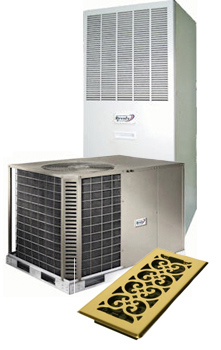
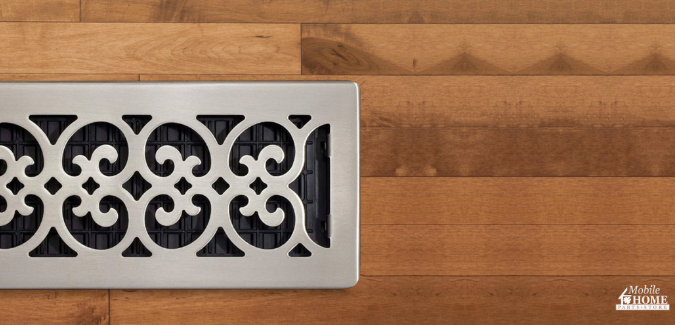
These are the familiar registers you’ll find on floors, walls, or ceilings, pushing heated or cooled air into each room. Adjustable louvers allow you to direct airflow where it’s needed most.
Return Vents
Return vents pull air back into the system to be reconditioned. They’re usually larger and located in central areas. Keeping them unobstructed is essential for maintaining balanced airflow and system efficiency.
Exhaust Vents
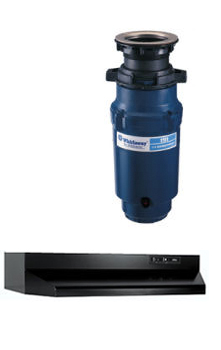
Certain rooms—like bathrooms, kitchens, and laundry areas—produce moisture and odors that need to be vented outside. Exhaust vents help remove that buildup, keeping air fresh and preventing mold or mildew from forming.
Skirting Vents – Breathing Room Beneath the Floor
Ventilation beneath your mobile home is just as important as what’s happening above. Skirting vents help regulate moisture and airflow in your crawl space.
Mobile Home Skirting Vents
Skirting vents prevent excess humidity, reduce mold risk, and help preserve your home’s structural integrity. A general rule of thumb is to install one square inch of vent for every square foot of floor space, spacing them evenly and near the corners. Some models even feature temperature-sensitive shutters that open and close automatically.
Ventilation Considerations
A well-ventilated crawl space also helps release gases like radon or methane that may accumulate beneath your home. In cold climates, consider winter vent covers—but remember to remove them when the weather warms up to allow moisture to escape again.
Bonus Features & Accessories
Are you looking to fine-tune your system or add extra comfort? These accessories work alongside your mobile home vents to improve performance and air quality.
- Vent Covers & Grilles – Choose from decorative options that match your interior while helping direct airflow.
- Duct Boosters – Inline fans that help push air through longer duct runs, especially useful in older homes or add-ons.
- Vent Filters – Snap-in options that trap dust, pollen, and other allergens—great for anyone with sensitivities.
Climate & Design Considerations: Finding Your Fit
Before making decisions, it’s helpful to match your vent choices to your local environment, home layout, and personal comfort needs.
- Climate & Environment: Areas with frequent wind can benefit from turbines, while calm zones may lean toward solar or powered vents.
- Architecture: Low-pitch roofs may not accommodate ridge vents, and limited soffit access may affect intake options.
- Budget & ROI: Passive vents are affordable and low-maintenance; active systems cost more but offer greater efficiency.
- Maintenance Needs: Think ahead: turbines require lubrication, solar panels need cleaning, and ridge vents should be screened to keep bugs out.
Choosing the right mobile home vents is all about balance—between airflow, cost, climate, and convenience.
Installation & Maintenance Best Practices
Even the best venting system can underperform if it’s not installed or maintained properly. Here’s how to keep yours running smoothly:
- Roof Vents: Seal roof penetrations well, use flashing, and install bird/debris guards.
- Turbines: Lubricate bearings yearly and inspect for rust or wobble.
- Solar Vents: Keep panels clean and free from obstructions.
- HVAC Grilles: Vacuum regularly, especially near return vents, and replace filters on schedule.
- Skirting Vents: Clear out leaves and dirt, inspect louvers seasonally, and use vent plugs in winter if needed.
Are Your Mobile Home Vents Doing Their Job?
Are things working as they should? You don’t need special tools to tell. Uneven room temperatures, foggy windows, musty odors, or damp soil under the home are all red flags.
When mobile home vents are blocked by insulation, dust, or even landscaping debris, airflow slows, and problems escalate. Cleaning vents or switching to an active system (like a solar or turbine vent) can help restore balance fast.
Even newer homes can experience issues if the intake and exhaust aren’t properly planned. Staying alert to subtle signs can save you major headaches later.
Troubleshooting Common Vent Issues
Still, noticing something off? Here are a few common problems and how to address them:
- Noisy Turbine – Probably dry or worn bearings—apply high-temp lubricant or consider replacing.
- Poor Airflow – Check for blocked soffits, clogged filters, or imbalanced supply/return vents.
- Moist Crawl Space – You may need better skirting vent spacing, or a proper vapor barrier beneath your home.
- Condensation or Mold Indoors – Add exhaust fans to kitchens and bathrooms, and ensure you have adequate intake ventilation.
Breathe Easier in Every Season with Mobile Home Vents
When mobile home vents are doing their job, you probably won’t think about them much—and that’s kind of the point. But if you’re dealing with hot rooms, damp spots, or air that doesn’t feel fresh, it’s worth taking a closer look.
A few small updates—like replacing an old roof vent, clearing out blocked skirting, or upgrading to a powered option—can make your home more comfortable and help prevent bigger issues down the line.
If you’re not sure where to start, Mobile Home Parts Store has everything you need to get the job done. From replacement parts to ready-to-install vent kits made for mobile homes, you’ll find options that are easy to understand and built to last. Because a well-ventilated home isn’t just more efficient—it just feels better to live in.
Tags: Foundation Vent, mobile home vent, mobile home ventilation, roof vents, Skirting Vents, vent, ventilation

