 SIGN-UP FOR THE MHPS NEWSLETTER!






 When you’re traveling in your RV, comfort matters. But comfort isn’t just about cozy interiors—it also means reliable protection from the elements. We’ve all experienced it: fabric awnings that fade under intense sunlight, sag after heavy rain, or tear when winds pick up unexpectedly. It’s not just inconvenient; it’s frustrating.
That’s why more RV owners are shifting toward metal awnings. Built from durable materials like aluminum and steel, metal RV awnings provide peace of mind, lasting protection, and surprisingly easy maintenance. They’re an investment in reliability—perfect for those who’d rather enjoy their adventures than constantly manage upkeep.
We’ll walk through what makes metal awnings a worthwhile upgrade—tough, easy to care for, and built for the long haul.
Built to Take on the Weather
Mother Nature doesn’t play favorites, especially when you’re parked in direct sunlight one day and bracing for wind the next. A metal RV awning holds its own through it all.
Heat and UV Protection
Aluminum is naturally reflective. That means when the sun beats down, it helps bounce heat away instead of trapping it underneath. It also blocks harmful UV rays that can wear down furniture, flooring, and plastic trim over time.
Fabric awnings? They offer some shade, sure—but over time, they absorb heat and often start to bleach out, especially if you spend a lot of time in sunny places.
Wind, Rain, and Snow
Steel awnings are built for serious weather. Windy conditions, steady rain, even a light snowfall—they handle it: no flapping, pooling, or mid-night scramble to retract the awning before it tears. Aluminum resists corrosion, too, so you don’t have to worry about rust creeping in after a wet season.
That kind of reliability makes a big difference when your RV is more than just a weekend getaway.
Awnings That Don’t Age Like the Others
One of the biggest perks of a metal RV awning? It looks good without much effort.
Color That Doesn’t Quit
Powder-coated finishes don’t just protect the surface—they hold color better than traditional fabric: no streaks, no chalking, and no patchy fading after a few months in the sun. And there’s flexibility in style: modern matte, clean white, classic neutrals—it’s not one-size-fits-all.
Fabric awnings tend to show their age faster. Even the higher-end ones eventually start to fade or sag, especially if they’re retracted wet or exposed to sun day in and day out.
Maintenance That’s Actually Manageable
If you’re trying to cut back on weekend chores, this one’s for you.
Cleaning Without the Hassle
Metal awnings are easy to rinse off. Just a hose and a soft cloth if you’re feeling ambitious. No mold, no mildew, no delicate scrubbing required.
Fabric, on the other hand, is a little more high-maintenance. You’ll need an RV Awning Cleaner and sometimes even retreat it with UV blockers. And if you forget to roll it in during rain, you might be dealing with stains or sagging seams.
Fewer Moving Parts
Metal awnings are usually fixed, meaning fewer things to break. Hardware like stainless fasteners and support arms hold up well, year after year. With fabric, you’ve got sliders, tension arms, and stitching that can wear down or go out of alignment—especially if you’re on the road often.
Built for the Long Haul
How Long Do They Last?
Steel RV awnings can last 30 years or more. Aluminum isn’t far behind. That’s decades—not just seasons—of reliable use.
Most fabric awnings? They top out at about 5 to 10 years, and that’s with good care. If you camp full-time or year-round, you may find yourself replacing them more frequently.
The Cost Over Time
Yes, metal costs more upfront. But you won’t be replacing it as often, and the maintenance is lighter. When you stack that up over time, it starts to feel like a smart move instead of a splurge.
Style That Suits You
Looks aren’t everything, but it’s a bonus when something that works well also looks good.
Design Options
Aluminum lends itself to sleeker, more modern profiles—great if you’re after a clean finish. Steel tends to have that solid, traditional feel. And with powder-coating, there’s room to choose a color or finish that matches your RV or blends into your setup.
Outdoor Living, Upgraded
Some metal awnings can be customized with LED lighting, screen panels, or even sensor-driven accessories. It’s more than just a shade—it becomes part of your space. Whether it’s morning coffee or a break from afternoon heat, it feels like a real extension of your RV.
Metal vs. Fabric: Quick Comparison
| Feature | Metal Awnings | Fabric Awnings |
|---|---|---|
| Durability | Excellent; resists weather & corrosion | Good but prone to fading or tearing |
| Maintenance | Low; simple rinse & occasional check | Higher; needs cleaning and care |
| Lifespan | 20–30+ years | Usually 5–10 years |
| Cost | Higher upfront, strong long-term value | Lower initial cost, more replacements |
| Style Options | Powder-coat finishes & sleek design | Lots of fabric prints and colors |
| Portability | Fixed or semi-portable | Fully retractable & portable |
Where It Really Makes Sense
If you’re spending a lot of time in hot climates, aluminum can help cool your setup naturally. In windy or snowy areas, a steel awning offers peace of mind you won’t get from fabric. And if you’re parked somewhere for the season—or full-time—low-maintenance makes a real difference.
This isn’t just about one storm or one trip. It’s about the kind of comfort and protection you can count on, season after season.
Dura-Bilt® Portable RV Awning
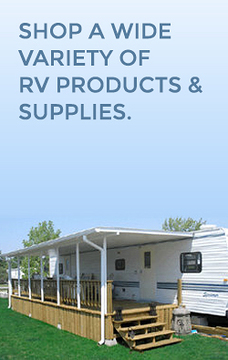
For something a little more flexible, the Dura‑Bilt® Portable RV Awning is a strong alternative to fabric. Its 24-inch insulated aluminum roof panels are built to hold up through storms and provide stable shade without needing constant adjustment.
Setup is simple, and when it’s time to hit the road or pack things in for the off-season, it folds down to protect your RV’s side. It comes with the full kit—roof panels, aluminum posts, mounting rail, and hardware. There’s even an option to add Dura-Breeze screen walls for a portable screened-in room.
Wrap It Up—Without the Flap
A metal RV awning isn’t just about toughness—it’s about choosing something you don’t have to fuss over. It handles the weather, stays sharp-looking, and doesn’t demand much in return.
If you’re thinking about upgrading, or just tired of replacing your current awning every few years, metal might be the better bet.
And when you’re ready to check out options, Mobile Home Parts Store carries trusted solutions like the Dura‑Bilt® Portable RV Awning to get you started—without overcomplicating the process.
Tags: awnings and canopies, RV, rv awning, rv awnings, rv parts

