 SIGN-UP FOR THE MHPS NEWSLETTER!




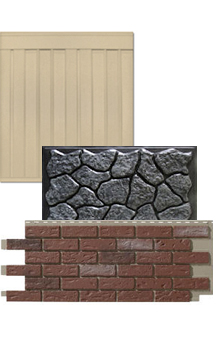




You’ve measured. You’ve picked the style. You’re ready to order. But before you hit “add to cart,” here’s something to think about—what happens if something goes wrong? A cracked panel, a crooked cut, a future deck addition. When it comes to mobile home skirting, buying just the right amount can seem smart—until you find out you need just a little more.
Planning for the “what-ifs” now can save a lot of time, stress, and money down the road.
Start With the Right Numbers
Before you can figure out how much extra to buy, it helps to know how much you need to begin with. Start by measuring the perimeter of your home—don’t worry, it’s easier than it sounds. Use a tape measure and add up the length of all four sides. If your home is 27 feet wide and 50 feet long, the perimeter would be:
27 + 27 + 50 + 50 = 154 feet
Round up any measurements. For example, if one side is 23 feet and 6 inches, call it 24. If your skirting will also go around porches, bump-outs, or additions, include those measurements too.
Use a Skirting Calculator (But Don’t Stop There)
Most skirting product pages include calculators that help estimate how many panels you need based on your measurements. These tools are great for figuring out the basics and will often account for things like panel width, venting, and access doors.
But here’s the thing—calculators can’t predict human error, cutting waste, or surprise changes. Even if the numbers look perfect on paper, it’s smart to add about 10% extra to your order. That way, if something goes sideways, your project doesn’t have to.
Why Having Extra Skirting Makes Sense
Installation Waste Happens
Even if every panel arrives in perfect condition, some will get trimmed to fit around corners, vents, or sloped ground. And once a panel is cut, the leftover piece often can’t be reused.
This kind of waste is normal—even expected—and it’s one of the main reasons pros recommend buying a little extra. That 10% buffer gives you room to work without running short halfway through the job.
Weather and Wear Are Inevitable
Mobile home skirting has to stand up to a lot: cold snaps, windstorms, rain, sun, lawnmowers… you name it. In some climates, vinyl panels can crack or warp over time, and even the most durable materials aren’t immune to wear.
Having a few backup panels tucked away makes it easy to swap out a damaged section without having to search for a matching replacement—or worse, redo the whole look because your style was discontinued.
Life Changes—Your Skirting Might Too
Maybe next year you’ll add a porch. Or install better vents. Or want to refresh part of your exterior without a full replacement. When that time comes, having spare skirting from the same batch means a cleaner, more consistent finish.
Manufacturers often change colors, finishes, or product lines. Buying a bit more now means you’re not stuck hunting for a match later.
How Much Extra Mobile Home Skirting Should Buy?
The 10% Rule
This simple rule of thumb works well for most people: calculate what you need, then add 10%.
Let’s say your perimeter is 200 feet, and each panel covers 5 feet. That’s 40 panels. Add 10% (that’s 4 extra panels), and you’ll want to order 44 panels total. Round up to the nearest full panel for simplicity.
Adjusting for Material Type
- Vinyl Skirting: Affordable and flexible, but more prone to damage—especially in colder climates. You might want to bump up your buffer just a bit.
- Metal or Insulated Skirting: Heavier-duty and built to last, but more expensive. You may not need as much extra, but if matching is a concern, having a few on hand can still be a smart move.
Climate Considerations
If you live in an area with harsh winters, heavy winds, or intense sun, it’s worth considering a higher overage—maybe 12–15% instead of just 10%. It’s a small cost now that can pay off big in the long run.
Common Scenarios Where Extra Mobile Home Skirting Saves the Day
Still not sure it’s worth it? Picture this:
- You’re cutting panels to fit around a vent and mismeasure by just an inch. Now that panel’s too short to use.
- A stray rock from the lawnmower cracks the bottom of a panel right before guests arrive.
- Next spring, you decide to build a small deck, and suddenly a new section of your home needs to be skirted.
- You need a vented panel, but you only have solid ones left.
- The manufacturer quietly retires the color you used last year—and now nothing matches.
Having a few extras on hand makes it easy to roll with these kinds of moments instead of putting everything on hold.
Don’t Skirt Around the Extras
It’s easy to focus on just getting the job done—but sometimes the best move is to plan a little beyond the finish line. With mobile home skirting, buying a little extra up front can save you time, stress, and money later. Whether it’s a cut gone wrong, a stormy night, or a future home upgrade, having that buffer means you’re ready.
If you’re looking to finish your skirting project with peace of mind, Mobile Home Parts Store offers durable skirting options, helpful resources, and the extras you might be glad to have later.
Tags: mobile home skirting, mobile home skirting panel, mobile home underpinning, Skirting

