 SIGN-UP FOR THE MHPS NEWSLETTER!














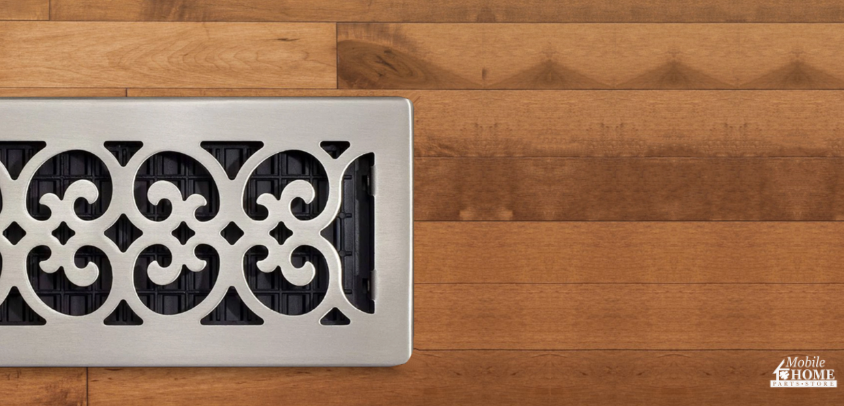
When we dream up home projects, our brains jump straight to the showstoppers—fresh paint, new tile, maybe a statement light fixture. The humble floor register rarely makes the mood board, yet that eight‑inch rectangle controls comfort, whispers style, and can be swapped in minutes.
A floor register upgrade is the definition of high‑impact, low‑effort. This guide lays out what the piece really does, how to size it correctly, which materials earn their keep, and why finish choice can quietly elevate a room. Think of it as a friendly nudge from someone who’s spent too many Saturday mornings chasing drafts.
What Exactly Is a Floor Register?
Let’s start with the basics. A floor register is that little metal (or plastic, or sometimes wood) cover you see on the floor—usually near a wall or under a window—with louvers underneath that open and close. Those louvers let you direct the flow of air from your HVAC system, so you can decide how much warm or cool air gets into a room and where it goes.
It’s not quite the same as other vent types, though they can look similar at a glance:
- Grilles don’t have louvers and are usually used for return air or mounted on walls.
- Return vents help pull air back into your HVAC system, not push it out.
- Basic vents just cover the duct—they don’t let you adjust anything.
So while it might seem like a small piece of hardware, the floor register plays a quiet but important role in keeping your home comfortable. When the size is right and the louvers are working well, it helps your heating and cooling system work more efficiently. And when it looks good too? Well, that’s just a nice bonus.
Measuring Matters: How to Get the Right Size
Before you bring home a new floor register, grab a screwdriver, tape measure, and maybe a mug of something warm. Sizing takes five minutes and saves a trip back to the store.
Size = Duct Opening, Not the Old Cover
This is where most people get tripped up. It’s tempting to just copy the size printed on your old register or eyeball the faceplate and call it a day. But for the right fit, you’ll want to measure the actual duct opening in your floor—not the old cover itself.
Here’s how to do it:
- Unscrew or lift the existing cover.
- Measure the inside length and width of the exposed duct.
- Round to the nearest half‑inch if the numbers get weird.
So, if your duct opening measures 4 inches by 10 inches, that’s the floor register size you’re shopping for—even if the cover looks bigger.
Common Floor Register Sizes
Most homes have one of a few standard sizes. Here are some you might run into:
Duct Opening Size Common Rooms
| 4″ x 10″ | Bedrooms, halls |
| 4″ x 12″ | Living areas, larger rooms |
| 6″ x 10″ | Kitchens, bathrooms |
| 6″ x 12″ | Open-concept spaces |
Watch the Depth
New plank flooring or thick carpet pads sit higher than old surfaces. Take a moment to look at the side profile of the replacement—yes, even in the aisle. If the collar’s too short, it’ll sit loose and rattle with every step. Too long, and it ends up hovering awkwardly above the floor instead of sitting flush. Many floor vents list the exact depth, so it’s worth the extra 20 seconds to check.
Material Choices: It’s More Than Just Looks
Let’s be honest—looks matter. But style alone doesn’t cut it when your floor register is smack in the middle of life happening. We’re talking foot traffic, rogue juice boxes, dropped wrenches, and the occasional game of chase-the-ball with the dog. Your vent takes more of a beating than you might think. That’s why the material it’s made from matters just as much as the way it looks.
Metal
Steel and aluminum shrug off scuffs and dings. Finishes range from brushed nickel (modern and clean) to oil‑rubbed bronze (warm and lived‑in) to matte black (camouflages against dark floors).
Plastic
Budget‑friendly, rust‑proof, and lighter than a stray sock. Great for bathrooms or laundry corners where moisture loiters. They wipe down easily but can crack under serious weight.
Wood
A wooden cover feels custom—especially when the grain matches your planks. Oak, maple, and even bamboo pop up in catalogs. Just remember: wood swells in humidity, so maybe skip it in shower‑heavy zones.
Style & Finish: Quietly Steering the Room’s Mood
Think of your register as part of the room’s hardware. It can match your door knobs, light fixtures, cabinet pulls—even your curtain rods. The right finish adds polish and cohesion.
Here are a few popular options:
- Oil‑rubbed bronze pairs with shaker cabinets, woven baskets, and warm neutrals.
- Brushed or polished nickel loves grayscale paint, sleek faucets, and clean lines.
- White or beige keeps a low profile in minimalist or utility spaces.
- Wood tones add organic texture to craftsman, cottage, or rustic interiors.
Mix or Match?
Some homeowners like their floor registers to match everything else in the room. Others prefer contrast—like a dark register against light flooring. There’s no wrong answer here. Go with what makes your space feel like home.
Practical Points Before Checkout
Before the floor register goes into your cart, run through a few quick checks:
Foot Traffic & Durability
If you’re replacing a register in a hallway or other high-traffic area, opt for sturdy materials that can handle foot traffic and maybe even the occasional dropped object. Metal or reinforced plastic is a smart choice here.
For damp or humid spaces—like bathrooms or entryways—look for rust-resistant materials.
Furniture & Airflow
Before installing a new floor register, think about where your furniture is going. A sofa or dresser sitting right on top of a register will block airflow and reduce comfort. Try to keep vents clear when planning your room layout.
Louvers and Air Control
Most modern registers come with adjustable louvers, which let you redirect or reduce airflow. If noise is a concern, some upgraded models offer dampers that close more quietly and stay in position better over time.
Small Change, Noticeable Comfort
A floor register probably isn’t the first thing you think to upgrade—and that’s kind of the point. It’s easy to overlook, but once it’s done, you’ll wonder why you didn’t do it sooner. Better airflow, fewer weird temperature pockets, and a little extra style where you least expect it.
It doesn’t take a full toolbox or a weekend to pull it off, either. Just the right size, the right look, and a few minutes of your time. And when you’re ready to pick one out, take a look at the Mobile Home Parts Store. They’ve got plenty of floor registers designed to fit unique spaces—and they install with nothing more than a screwdriver.
Tags: floor register, floor registers and grills, heating and cooling

