 SIGN-UP FOR THE MHPS NEWSLETTER!






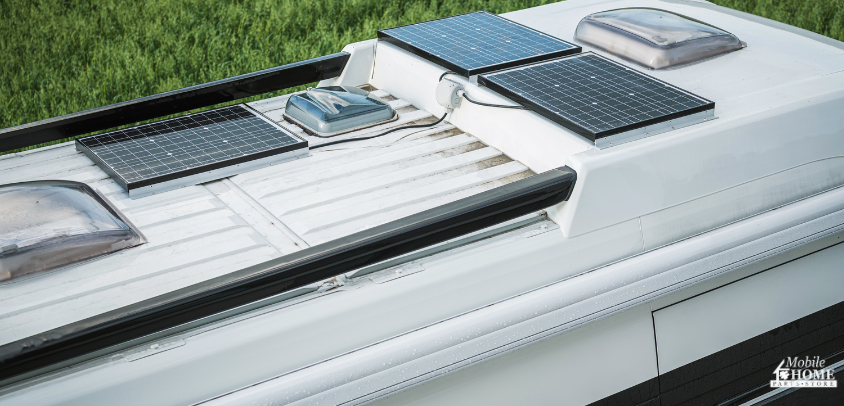
Your RV’s roof works as hard as you do on the road—shielding you from the scorching summer sun, sudden downpours, and all those little surprises that pop up along the way. Over time, that constant exposure can take a toll, and keeping your roof in top shape is just as important as checking your tires or topping off your fluids.
One of the simplest ways to add years to your roof’s life—and keep your travels comfortable—is with an elastomeric roof coating. This flexible, weather-resistant layer can help your roof handle heat, resist water, and even make cleaning easier. Think of it as a protective jacket for your RV—one that works year-round.
In this guide, we’ll walk you through how to tell if your roof is ready for coating, how to choose the right product for your climate, and the steps to get it done right the first time. Whether you’re camping in the desert sun or parked in a coastal campground, the right coating means more protection, more comfort, and more miles ahead.
Is a Roof Coating Right for Your RV?
Before you grab a roller, run through this quick checklist:
- Roof type & condition: Identify your material—EPDM, TPO, fiberglass, or metal. Repair any tears, soft spots, or worn-out sealant first. Pay special attention to seams, vents, skylights, antennas, and around the A/C shroud.
- Moisture: Never coat over damp areas. Let the roof dry fully after washing or rain.
- Compatibility: Some surfaces (like certain silicones or PVC) need a primer or a different coating type. Always read the label and technical data sheet.
- Slope & ponding: If your roof has low spots where water collects, pick a coating designed to handle ponding.
Quick Tip: Snap a few photos of problem areas before you start. It’s an easy way to compare your results later.
Types of Coatings: Match to Your Climate and Roof
Not every coating performs the same in different weather conditions. Here’s a quick breakdown:
- Acrylic elastomeric: Water-based, budget-friendly, and highly reflective—great for roofs that drain well.
- Silicone elastomeric: Excellent UV durability and ponding resistance; often specified for one-coat coverage.
- Compatibility rule: Never apply acrylic over silicone. Many silicone systems allow reapplication over themselves.
Think about your travel spots:
- Desert sun? Prioritize reflection and UV stability.
- Coastal humidity or ponding? Look for products that excel at handling standing water.
Why an Elastomeric Roof Coating Pays Off Mile After Mile
A good elastomeric roof coating delivers more than a fresh appearance:
- Extends roof life: Seals seams and penetrations with a flexible layer that moves as your RV does.
- UV and heat defense: Reflective coatings can lower surface temperatures, helping your cabin stay cooler.
- Easy touch-ups: Small scuff from branches? Clean, dry, and recoat—done.
You might even notice your A/C doesn’t work quite as hard on hot afternoons. That’s a win.
Safety, Tools & Materials
You don’t need a pro shop to coat your roof, but you do need the right tools:
- Safety: Good footing, gloves, eye protection, and awareness of fall risks. If you’re working under cover, ventilate well and wear the respirator listed on the Safety Data Sheet.
- Core kit: Cleaner/degreaser (or TSP alternative), soft/medium bristle brush, 3/8″ nap roller, brushes for edges, seam tape, lap sealant, and any required primer.
- Convenience: Single-component products often just need a thorough stir—no tricky mixing.
Tip: Lay out your tools before climbing up so you’re not making extra trips.
Clean, Repair, Repeat—Before You Coat
Proper prep is the difference between a coating that lasts years and one that peels in months:
- Clean thoroughly: Degrease, scrub, rinse, and let dry 100%.
- Detail work: Reseal seams and penetrations before coating the main surface.
- Prime if needed: Some materials require primer for best adhesion.
- Watch the weather: Aim for 50°F or warmer, with no rain or heavy dew in the forecast.
How to Apply an Elastomeric Roof Coating
- Stir—don’t thin unless the label says so.
- Plan your path: Start at the farthest point and work toward your ladder.
- Roll the flats, brush the edges: Use a medium-nap roller for large areas and a brush for detail work.
- Follow coverage guidelines: Many call for 1 gal/100 sq. ft. per coat, with two coats applied in different directions.
- Ventilate: Outdoors is ideal; indoors requires strong airflow and a respirator.
After-Care & Inspections
Even the best coatings need basic upkeep:
- Inspect every six months: Clear debris, check for wear, and touch up early.
- Recoat as needed: Acrylics may need more frequent recoating than silicones.
Set reminders for spring and fall checks—ten minutes of maintenance can save hours of repair.
Pitfalls That Can Cost You Miles
- Coating over damp surfaces or active leaks.
- Skipping primer where required.
- Applying in poor weather conditions.
- Failing to clean thoroughly.
- Ignoring safety precautions or ventilation needs.
If you’re short on time, wait. A rushed job rarely lasts.
Brushed Up and Ready to Roll
If your RV’s roof is in good shape, an elastomeric roof coating is one of the easiest ways to protect your investment. It can help control interior temps, simplify upkeep, and keep your travels worry-free.
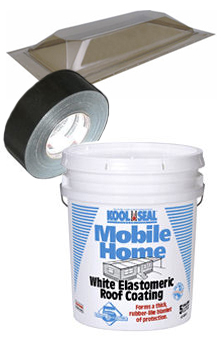
For a ready-to-use option, consider Kool Seal® White Elastomeric Roof Coating from Mobile Home Parts Store. It reflects 90% of the sun’s rays, helps keep interiors cooler, seals and protects, and resists mildew and algae. You’ll get coverage up to 100 sq. ft. per gallon, easy soap-and-water cleanup, a 10-year warranty, and the assurance of a Made in the USA product.
With the right prep and a quality coating, you can head out knowing your RV’s roof is ready for whatever the road brings next.
Tags: Aluma-Kote Aluminum Roof Coating, Elastomeric Roof Coating, Kool Seal, Roof Coating, RV, RV roof

