 SIGN-UP FOR THE MHPS NEWSLETTER!









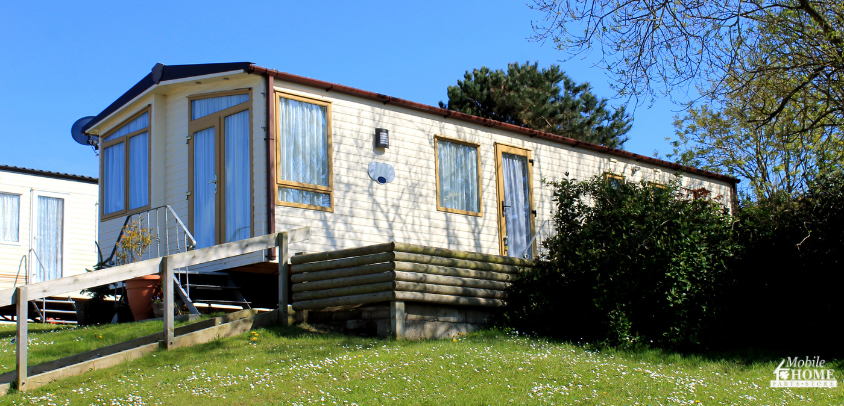
If a marble won’t sit still on your floor, your home might be telling you something. It’s not just a quirky detail—it’s a warning sign. That tiny tilt could be affecting more than you think, from how tightly your doors close to how much you’re paying to heat and cool your home.
A level foundation is more than just “straight and even.” It’s the backbone of your mobile home’s safety, comfort, and long-term value. Let’s walk through why keeping your home level matters, how to spot changes early, and what you can do to keep things steady.
Safety & Structural Integrity — Why It’s Non-Negotiable
When your home sits level, everything works in harmony. Doors latch without a fight. Windows glide open and shut like they should. Floors feel solid underfoot.
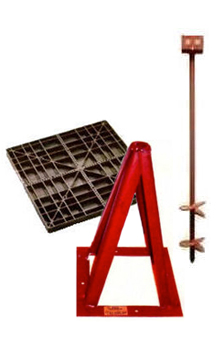
A level foundation keeps the home’s frame square so it doesn’t twist or shift. In multi-section homes, it helps keep those sections lined up at the marriage line, so sealants and joints stay tight. Even your tie-down system—the anchors that hold your home in place during high winds—depends on getting the home level first.
Whether your home rests on piers, a slab, a crawl space, or even a basement, leveling isn’t optional. It’s the first step in making sure the structure can handle everyday living and whatever Mother Nature sends your way.
Comfort & Efficiency — Less Draft, More Cozy
Think of a level foundation as your first defense against drafts and uneven temperatures. When doors and windows fit like they should, they seal better. That means less outside air sneaking in during the winter and less cool air escaping in the summer.
The Department of Energy points out that sealing those gaps can make a real difference in your utility bills. And here’s the thing—weatherstripping only works if the frames are square. Keeping your home level helps every piece of that puzzle fit together, so you’re not paying extra for comfort you don’t even feel.
What Can Knock a Home Out of Level
Homes don’t just shift overnight (unless there’s a big storm), but small changes add up over time. Here are the usual suspects:
- Water and erosion: Rainwater pooling under your home can wash away or soften the soil. Make sure the ground slopes away from the foundation, gutters are clear, and downspouts are long enough to keep water moving.
- Freeze/thaw cycles: In cold climates, freezing soil expands and can push supports upward. Footings should be below the frost line or built to resist frost heave.
- Soil settlement: Some soils compact over time or swell and shrink with moisture changes. Both can cause shifting.
- Wind loads: Strong winds put pressure on your tie-down system—which works best when installed after leveling.
A little preventative care here—like checking drainage and grading—can save you a lot of trouble later and protect the level foundation you rely on.
Signs Your Level Foundation Might Be Off
You don’t need special tools to catch the early warning signs. Keep an eye out for:
- Doors or windows that suddenly stick, swing open, or won’t latch.
- Cabinet doors that won’t stay shut.
- A floor that feels like it has a “low side.”
- Gaps between trim and walls.
- Puddles forming around skirting or damp soil beneath the home.
- New cracks or changes in how doors fit after a cold winter.
If you spot one or more of these, it’s worth investigating before small annoyances become costly repairs.
What You Can Do — And When It’s Time to Call a Pro
You can do a lot to protect your foundation without ever picking up a jack:
Do:
- Keep soil graded so water runs away from your home.
- Extend downspouts and use splash blocks.
- Keep skirting vents clear for airflow.
- Log changes in how doors and windows operate.
Don’t:
- Try to shim piers, adjust jacks, or tighten tie-downs yourself. Those jobs require training and follow HUD standards.
Call a licensed installer if you notice persistent sticking doors, worsening slopes, or new cracks. They’ll ensure your level foundation meets the ¼-inch tolerance between adjacent piers and re-secure it properly.
Keep Life on the Level
A level foundation is your home’s quiet protector. It guards against drafts, keeps everything aligned, and ensures your investment lasts. Most of the work is about staying ahead—good drainage, regular checks, and calling in help when something feels “off.”
If you need supplies for routine maintenance—like skirting vents, weatherstripping, or moisture barriers—or tips on finding a trusted installer, Mobile Home Parts Store is here to help. With the right care, your home can stay level, steady, and ready for the years ahead.
Tags: leveling, mobile home foundation, mobile home leveling

