 SIGN-UP FOR THE MHPS NEWSLETTER!




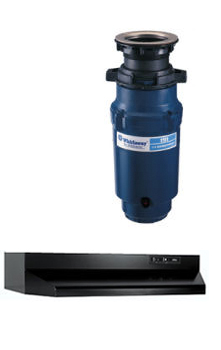




Cooking in an RV is part of the adventure—until steam, smoke, and grease linger after dinner. Your range hood vent pushes that air outside so the kitchen area stays fresher, drier, and easier to clean. Outside, the cap keeps rain out, the flap stops drafts, and the travel lock prevents rattles on the road.
So when is it time to replace the cap? Watch for sun-brittle plastic, a missing flap, a broken spring or lock, water stains around the cabinet, or a cover that blew off somewhere between campsites. If you can measure, prep, and seal with care, this is a weekend-friendly project you can finish with basic tools.
How to Choose the Right Replacement Range Hood Vent
Start by taking a quick photo of your current vent. It’s an easy reference for matching style and color later. Then, measure the rough opening behind the cover. Many RVs use an opening around 10-1/2″ by 3-3/4″ (some list a minimum near 10-1/4″ by 3-5/8″), but every rig is a little different—measure to be sure.
Next, check the collar depth—the part of the vent that extends into the wall to meet the interior duct. The most common depths are 5/8″ and 1-3/4″, and you’ll want one that overlaps your outlet for a snug, weatherproof fit. While you’re at it, count the screws and note the pattern. Most use around ten screws, but it’s best to double-check so you have the right fasteners on hand.
Finally, peek inside your hood. If there’s already a flap there, make sure the new vent’s flap won’t bump into it. For odd-sized openings, choose a vent that covers the cutout neatly—small trim adjustments are fine, but major recuts aren’t usually necessary.
Tools and Supplies You’ll Be Glad You Have
Gather your tools and supplies before you start. It saves trips up and down the ladder and makes the whole process more enjoyable.
Tools
- Cordless drill/driver and a hand screwdriver
- Bits (often square/Robertson), utility knife, plastic scraper, small pry tool
- Painter’s tape, rags, ladder, and basic PPE (gloves, glasses)
Materials
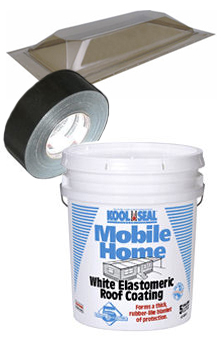
- Butyl/putty tape (for a soft, watertight gasket under the flange)
- Non-sag exterior sealant for vertical walls (polyurethane or non-leveling lap sealant)
- Corrosion-resistant pan-head screws to match your original size
- Optional: isopropyl alcohol or mineral spirits for cleanup (spot test first), touch-up paint
Two layers keep water out: butyl under the flange and a clean bead of non-sag sealant across the top and sides once it’s fastened.
Set Yourself Up for Success
Park your RV on level ground and set your ladder securely. Cut the power to the hood fan—just in case it decides to run while you’re working.
Tape around the old vent to protect the siding, then use a utility knife to score the sealant. Remove the screws and gently pry the vent away from the wall. Take your time—forcing it can damage the siding.
With the vent off, check the opening. Make sure the duct is aligned and the surrounding surface is solid. Remove any old butyl or sealant, wipe the area clean, and let it dry completely. Before you break out the sealant, dry-fit the new range hood vent to make sure it slides into place easily and that the flap opens without hitting trim. If your sealant has a temperature range, check the forecast to make sure you’re within it.
Step-by-Step: How to Replace an RV Range Hood Vent
Step 1: Remove the old vent
Back out the screws and gently work the flange loose, cutting through stubborn sealant if needed. Save any hardware that’s still in good shape.
Step 2: Inspect and repair
If the wall or duct area is soft or water-damaged, fix it before installing the new vent. A solid base ensures a secure, long-lasting fit.
Step 3: Apply butyl tape
Flip the new vent over and apply a continuous strip of butyl/putty tape around the back of the flange. No gaps—especially at the corners. This creates your primary water barrier.
Step 4: Set and secure
Center the vent so the collar overlaps the duct outlet. Start the screws by hand, then tighten them in a star pattern. Snug is good; over-tightening can warp the plastic.
Step 5: Clean up the edges
Trim away any excess butyl that squeezes out, leaving a clean edge.
Step 6: Attach the cover
Hook the cover at the top, snap it into the side tabs, and check that the travel lock works and the flap swings freely.
Step 7: Seal the perimeter
Run a neat bead of non-sag sealant along the top and sides where the flange meets the wall. Tool it smooth. Leave the bottom unsealed so any trapped moisture can drain out.
Testing, Troubleshooting, and Fine-Tuning
Airflow check
Unlock the flap, turn on the fan, and step outside. You should feel strong exhaust. Weak flow often points to a kinked duct or a collar that didn’t seat over the outlet. Loosen, re-center, and re-snug if needed.
Leak check
After the next rain or wash, take a look inside and out. See a small gap? Dry the area and touch up with non-sag sealant per the label. This quick check now prevents bigger repairs later.
Rattle on the road
Engage the travel lock before you pull out. If you still hear a chirp, the foam pad on the flap might be worn, or the cover may not be fully seated. Re-snap and test again.
Seasonal habit
UV, wind, and vibration are rough on exterior plastics. Reinspect the range hood vent in spring and fall. A fresh cover is inexpensive and takes minutes to swap.
Odd smells or backdrafts
If odors creep back in, confirm the flap closes freely and the cap sits flat against the wall. A tiny smear of sealant over a missed edge can make a noticeable difference. If your range hood vent still underperforms, check the interior filter and clean or replace it—airflow starts there.
Keep Your RV Fresh, One Meal at a Time
Replacing your range hood vent isn’t just about fixing a cracked cover or quieting a rattle—it’s about keeping your RV comfortable, functional, and ready for the road. A well-fitted, well-sealed vent helps control moisture, keeps unwanted drafts at bay, and ensures your cooking smells make a quick exit instead of lingering in your living space. And because it’s a relatively simple project, it’s a great way to get hands-on with your RV’s upkeep without diving into a major repair.
When you’re ready to tackle the job, the right parts make all the difference. At Mobile Home Parts Store, we carry a variety of range hood vents in different collar depths and colors, along with the butyl tape, sealants, and screws you’ll need to do the job right the first time. Whether you’re matching your existing setup or upgrading to something new, we can help you choose exactly what fits your RV—and your travel plans—so you can get back to enjoying the journey, one fresh-air meal at a time.
Tags: range hood, range hood vent, RV, rv repair, RV ventilation

