 SIGN-UP FOR THE MHPS NEWSLETTER!









The mornings are getting colder. You want your home warm and cozy without that “oh no” moment when the heating bill shows up. If you live in a mobile home—especially an older one—you know mobile home heating can be tricky. Drafty spots, thin insulation, and older systems can make it harder to keep the cold out.
The good news? A few smart upgrades can make a big difference before winter hits. Here’s how to keep the warmth in, the costs down, and your home comfortable all season.
Why Mobile Homes Lose Heat Faster
If you’ve felt a cold breeze sneaking in near your floors or around a window, you’ve already found one of your home’s heat leaks. Here’s why mobile homes can lose warmth more quickly:
- Older construction standards: Pre-1976 homes often lack the insulation and air sealing found in newer models.
- Settled or missing insulation: Over time, insulation under the floor, in walls, or in the roof can compress or fall out of place.
- Gaps and cracks: Openings around doors, windows, and skirting let in cold air.
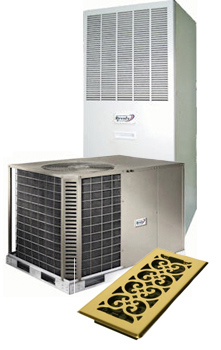
- Worn-out heating systems: Old furnaces or leaky ductwork waste energy and force your system to work harder.
When heat slips away, your system has to run longer to keep up—and that’s when mobile home heating bills climb.
Upgrade Your Skirting – First Line of Defense
Think of skirting as your home’s winter coat. It blocks icy winds from blowing underneath, which helps keep floors warmer and protects your plumbing from freezing. Skirting also gives your home a more finished look.
It’s one of the simplest—yet most often overlooked—ways to improve efficiency. Since heat rises, stopping cold air from circulating underneath is one of the best defenses against heat loss.
Smart Skirting Options
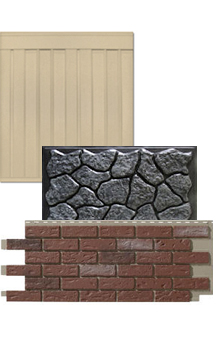
- Insulated vinyl skirting: Durable, lightweight, and built to slow heat loss.
- Faux stone or brick with insulation backing: Combines curb appeal with better energy performance.
- Rigid foam board behind existing skirting: An affordable way to add a thermal barrier without replacing panels.
Installation Tips
- Vent correctly to prevent moisture buildup, but seal off obvious gaps that cause drafts.
- Make sure access doors close tightly but are still easy to open for maintenance.
Better skirting not only improves comfort but can also reduce mobile home heating costs season after season.
Add or Improve Insulation – Keep the Warmth In
Insulation is the foundation of energy efficiency. Without enough of it, your home will heat slowly, cool quickly, and put more strain on your system. Most older mobile homes have room for improvement here.
Key Areas to Check
- Underbelly/floor: Insulation here often sags or disappears entirely. Replacing it can make a big difference in comfort.
- Walls: Older models tend to have thinner wall insulation.
- Roof or attic cavity: Insulation settles over time, leaving gaps where heat escapes.
Types of Insulation
- Fiberglass batts: Affordable and widely available; can be a good DIY project.
- Spray foam: Provides insulation and seals air leaks at the same time—ideal for hard-to-reach areas.
- Rigid foam board: Great for skirting or siding projects.
- Denim insulation: An eco-friendly option made from recycled materials.
If you’re planning to replace siding, it’s a perfect time to add exterior sheathing and insulation. While that’s a bigger upfront investment, it can pay off for decades through lower mobile home heating bills.
Tackle Drafty Windows – Stop Heat from Sneaking Out
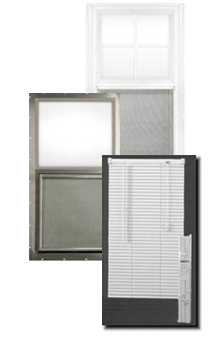
Windows are another common weak spot for heat loss. Older single-pane or aluminum-frame windows let warmth escape and can make rooms feel drafty. Upgrading them makes your home more comfortable year-round and can help improve mobile home heating efficiency.
Best Upgrades
- Double-pane vinyl windows: Energy-efficient, durable, and low maintenance.
- Storm windows: A budget-friendly way to improve insulation and reduce drafts.
If replacements aren’t in the budget right now:
- Apply window film kits for an inexpensive heat-trapping layer.
- Add weatherstripping or caulk around frames to stop leaks.
- Hang thermal curtains to hold warmth in at night and open them on sunny days for free heat.
Even replacing one or two windows in your most-used rooms can make a noticeable difference.
Show Your Heating System Some Love
A well-maintained system doesn’t have to work as hard to heat your home—and that means lower energy costs. Annual servicing keeps things running smoothly and helps you catch problems early.
Maintenance Checklist
- Inspect ductwork: Seal loose joints or holes with mastic or HVAC foil tape (skip the cloth “duct tape”).
- Change filters regularly: Dirty filters restrict airflow and make the furnace work harder.
- Test your thermostat: Make sure it reads accurately. Consider upgrading to a programmable or smart thermostat for better control.
Signs Your System Needs Attention
- Uneven heating from room to room.
- The furnace turns on and off too often.
- Strange noises or smells.
Some companies offer maintenance plans with seasonal tune-ups, which are worth considering for peace of mind and consistent mobile home heating performance.
Wrap-Up – Warm, Cozy, and Cost-Effective
Skirting, added insulation, tighter windows, and a well-maintained heating system all work together to keep your home warm and your bills in check. Start small if you need to—replace one window, add a layer of insulation, or seal a few duct leaks—and build from there. Every improvement helps when it comes to mobile home heating efficiency and comfort.
At Mobile Home Parts Store, we carry everything you need to tackle these projects: insulated skirting, rigid foam board, window kits, weatherstripping, filters, thermostats, and more. We’ll help you find the right products and offer tips to make the job easier.
This winter, keep the cold where it belongs—outside—and enjoy a warm, comfortable home without breaking the bank.
Tags: heating and cooling, heating ducts, mobile home furnace, Sealants, Tapes & Sealants, Window Sealing

