 SIGN-UP FOR THE MHPS NEWSLETTER!











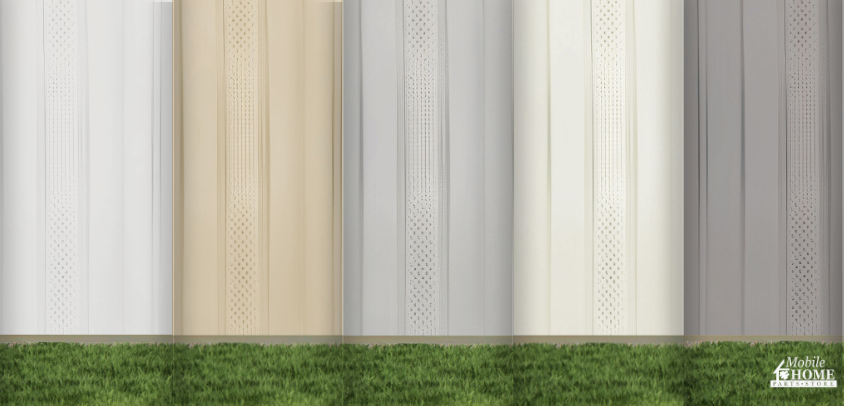
Color has a quiet power. It’s the first thing people notice, even if they don’t realize it. The right shade can make a home feel warm and welcoming; the wrong one can throw the whole look off.
That’s why choosing a color for your vinyl skirting is about more than just picking something you like on a paint chip. Skirting frames your home—almost like the trim on a picture. It pulls the whole exterior together, shaping how finished and polished everything looks.
And while it might seem like a small detail, the color you choose can change how your home feels every time you walk up the driveway.
Start With Your Home’s Existing Color Palette
Before diving into swatches, take a slow walk around your home. Look at the siding, trim, doors, shutters, and even the roof as one big color story. Your skirting should feel like part of that story—not a random side note.
Start by figuring out whether your home’s main colors lean warm (beige, tan, soft yellow, red undertones) or cool (gray, blue, green). Picking skirting in the same “temperature family” makes everything feel intentional. A warm taupe, for example, blends beautifully with cream siding, while a cool gray pairs naturally with blue-gray siding.
If your house already has bold accents—like bright red shutters or a deep navy door—keep the skirting calm and supportive so those accents can stand out. A good trick is to back up across the street and see how the colors work together from a distance. It’s often easier to spot what feels balanced when you look at the whole picture at once.
Do You Want Vinyl Skirting That Blends In or Stand Out?
Once you’ve got your palette in mind, think about the role you want your skirting color to play.
Blending in creates a seamless, grounded look. Matching your skirting to the siding makes your home feel stable and cohesive, like everything was built as one piece.
Standing out adds definition. Going a shade or two darker can make the base of the home look more anchored, almost like a frame around the bottom. Choosing something lighter softens the outline and makes the home feel a bit more airy.
It also helps to think about your neighborhood. Do you want your place to quietly blend in, or are you hoping for a touch more personality? There’s no wrong answer here—it’s just about what makes the space feel like “yours.”
Factor in the Surrounding Landscape
It helps to zoom out for a moment and see your home as part of its surroundings. The colors outside your walls shape how skirting looks once it’s in place.
Think about the tones you see when you step out your door. If your yard is filled with warm desert hues—sandy soil, sun-baked paths, or pale sage plants—soft earthy neutrals in your vinyl skirting will echo those colors and feel like they belong. In shaded, tree-covered lots, rich greens, deep browns, or charcoal tones can anchor the home against all that leafy texture. And if you’re in a busier suburban setting where colors and styles mix, going with versatile shades like greige or soft dove gray can keep the look polished without clashing with what’s around you.
It’s less about matching the exact color of the scenery and more about choosing something that feels like part of the picture, not separate from it.
Consider Practical Influences Like Climate and Maintenance
Of course, looks are only part of the story. You want a color that holds up well in your climate and won’t be a headache to maintain.
How Climate Affects Color
Where you live can play a big role in how well a color holds up. Light colors reflect heat, which can help keep the space under your home cooler during hot summers. Darker colors absorb warmth—handy in chillier regions—but they can also fade faster under strong sun.
If you’re in an area with intense sunlight, consider choosing vinyl skirting with built-in UV protection to keep colors looking fresh longer. In humid climates, it’s also worth picking a tone that won’t make every bit of dust or pollen stand out.
Balancing Style With Upkeep
It’s also worth thinking about how much maintenance you’re comfortable with. Lighter shades like white or cream can show dirt, mud, and grass stains quickly and need more frequent cleaning. Darker tones hide grime better but make fading more noticeable as they age.
Mid-tones—like taupe, muted green, or medium gray—tend to hit a sweet spot: forgiving with dirt, yet slower to show wear. Choosing a vinyl skirting color that fits both your climate and your cleaning style will help it stay looking sharp without demanding constant upkeep.
Your Home’s True Colors
Picking a color might seem like a small step, but it makes a big difference in how your home feels. The right vinyl skirting color pulls the whole exterior together, boosts curb appeal, and gives your home a finished look you’ll appreciate every time you pull in the driveway.
When you take the time to think about your existing colors, how much contrast you want, the surrounding landscape, and your climate, you end up with a choice that feels right—not just now, but for years to come.
And when you’re ready to bring that vision to life, you can explore a wide range of color options and quality vinyl skirting at Mobile Home Parts Store. A little planning now can transform how your home looks—and how you feel about it—every day.
Tags: deluxe vinyl skirting, mobile home skirting, mobile home skirting panel, Skirting, Vinyl Skirting

