 SIGN-UP FOR THE MHPS NEWSLETTER!







 Ever have one of those tiny leaks that drive you crazy? You patch it, cross your fingers, and then the next rain rolls in—and so does the drip. It’s frustrating, and honestly, it can do more damage than you realize. Moisture is sneaky like that.
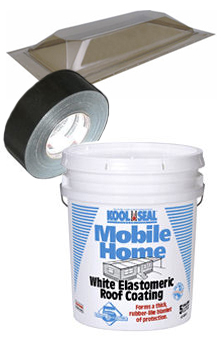
That’s why I always keep butyl tape on hand. It doesn’t look like much—just a roll of sticky rubbery tape—but this stuff can seal up problem spots fast. Once it’s on, water doesn’t stand a chance. If you’ve never used it before, you’re in for a game-changer.
What Exactly Is Butyl Tape?
Think of butyl tape as the reliable, heavy-duty cousin of regular adhesive tape. It’s made from synthetic rubber, which gives it some super helpful properties.
Unlike natural rubber that turns brittle in the cold or gooey in the heat, this stays flexible year-round. It doesn’t need time to cure or dry—press it in place and it grips instantly. It also stretches a bit, so as materials expand and contract with the weather, it moves with them instead of cracking.
That’s what makes it so good at creating a lasting, watertight seal. It sticks to almost anything—wood, metal, glass, fiberglass, plastic, even rubber roofing. Once it’s down, it’s not going anywhere (which is exactly what you want when you’re trying to keep water out).
Why Butyl Tape Stands Out
There are plenty of sealants out there, but few are as tough and easy to use as butyl tape. It’s kind of like the quiet helper that does the hard work without making a fuss.
Here’s why it earns a spot in the toolbox:
- It bonds to tricky surfaces like galvanized metal, aluminum, and plastics.
- It creates an airtight, watertight barrier that stops leaks before they start.
- It flows around screws and fasteners, sealing those sneaky little gaps water loves to find.
- It resists UV, moisture, and temperature swings without drying out or cracking.
- It stays flexible, even years later.
- And it’s often more budget-friendly than silicone or acrylic sealants.
It’s not perfect, of course. It won’t stick well to really rough or dusty surfaces, and harsh solvents like gasoline can break it down. Extreme temperature swings can affect it, too—but nowhere near as much as traditional rubber adhesives. Apply it right and it’ll quietly protect your work for years.
Types of Butyl Tape
Not all butyl tapes are the same, so it helps to know what you’re grabbing off the shelf.
Double-Sided Butyl Tape
This version sticks two surfaces together for hidden seals—handy for things like bonding deck boards to joists.
Aluminum-Faced Butyl Tape
Topped with a tough metallic layer, it’s perfect for exterior jobs like roof repairs or RV seams. It blocks water, vapors, even caustic chemicals, and you can paint over it for a clean finish.
Putty-Style Butyl Tape
Soft and moldable, this type is perfect for squeezing into gaps around windows, vents, and trim. It stays flexible, which makes it a favorite for RV repairs.
They all come on rolls with a peel-off backing, so they’re easy to store and use whenever you need them.
Practical Ways to Use Butyl Tape
Here’s where it really shines: butyl tape works in so many places you’ll start wondering how you got by without it.
Deck Protection
Water is relentless, and even treated lumber can start rotting in 8 to 10 years if it gets into the wrong places. Putting butyl tape on top of deck joists, rim joists, beams, soffits, and ledger boards before you install the boards helps stop water from soaking in. It also seals around screws to keep rust and rot from starting underneath.
Roof and Exterior Sealing
Flashing seams, skylights, vents, gutters—basically anywhere water might sneak in, this stuff locks it out.
Windows and Doors
It’s great for filling those hairline gaps between trim and framing that cause drafts and leaks.
Plumbing and HVAC
Seal around pipe penetrations and duct joints to keep condensation and leaks from becoming a headache.
RV and Mobile Uses
From roof seams to vent covers, it’s a favorite for areas that need to flex without cracking.
It even sticks to rubber roofing, fiberglass, textiles, and metal. Honestly, once you see how well it works, you’ll start looking for excuses to use it.
How to Use and Remove Butyl Tape
If you’re worried it’s tricky to use, don’t be. It’s about as beginner-friendly as it gets.
To Apply
- Start with a clean, dry surface (dust and grease are its enemies).
- Peel off the backing as you press it into place—this helps prevent it from sticking to itself.
- Press firmly as you go to get rid of air bubbles.
- Lay it down in continuous strips with just slight overlaps.
Because it sticks so well, line it up carefully the first time—it doesn’t love being repositioned.
To Remove
- Gently lift a corner with a plastic putty knife.
- Soften the adhesive with a rag soaked in warm, soapy water.
- For stubborn spots, apply a commercial adhesive remover, wait five minutes, then wipe it clean.
- Dry the surface before you reapply fresh tape.
Done right, it won’t damage your surface, and cleanup is easy.
A Simple Step That Protects Your Work
Here’s the bottom line: butyl tape may seem small, but it saves you from big headaches. A single roll—usually under $20—can protect hundreds of dollars’ worth of material from hidden water damage.
Even if you’re using treated wood, water can still cause rot, rust, and corrosion over time. Adding this waterproof layer early on keeps that from happening and can add years to the life of your projects.
It’s one of those quiet fixes that lets you walk away knowing the job is done right. If you want to keep your work sealed up tight, you can grab quality butyl tape from the Mobile Home Parts Store—and know you’ve got one of the best little problem-solvers on your side.
Tags: butyl tape, seal, Sealants

