 SIGN-UP FOR THE MHPS NEWSLETTER!










A quick yearly walk-through can change how your home feels day to day. It catches small problems before they turn into big repairs, and it supports mobile home safety in simple, practical ways—things you can check with a flashlight, a few minutes, and a steady pace. Think of it as one easy lap around the home: inside first, then outside, then underneath.
Begin with what protects you when seconds count. Move to the systems you rely on every day. Finish outside and under the home, where water, wind, and time do their quiet work. Along the way, trust your senses—what you see, hear, and feel is usually enough to tell you what needs attention next.
Check Alarms & Extinguishers
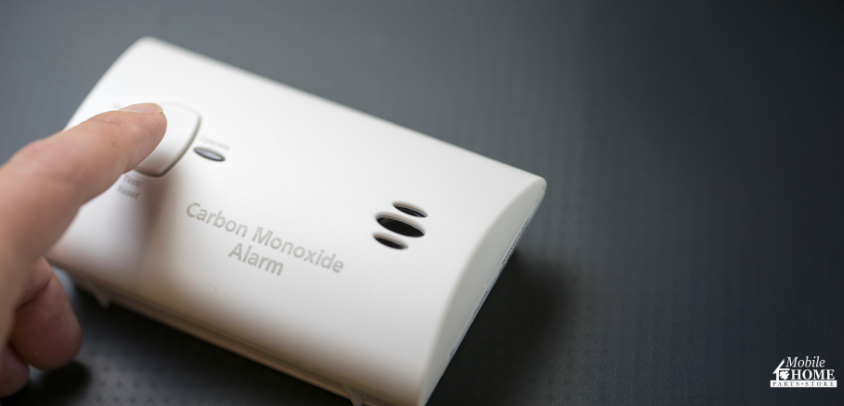
Press the test button on every smoke alarm—bedrooms, hallway, main living areas. If a unit doesn’t chirp, replace it or swap the battery. Not sure when it was installed? Check the date on the back; many models top out at ten years.
If your CO alarm is separate from your fire alarm, give it the same quick check. These belong near sleeping areas and on each level. If you added or upgraded gas appliances this year, take a moment to confirm placement while you’re thinking about it.
Next, find your fire extinguishers. One near the kitchen is standard; another by a main exit is even better. Look at the gauge—if it’s not in the green, have it serviced or replaced. Mount them where you can reach fast, and make sure everyone knows how to pull the pin and aim.
When this lifesaving gear is squared away, shift to the everyday habits hiding in your outlets and cords.
How Electrical Habits Affect Mobile Home Safety
Small electrical choices add up. Start with extension cords and power strips. Retire anything with a frayed jacket, bent prongs, or a loose socket. Don’t daisy-chain power strips, and never run cords under rugs or across doorways. Space heaters should go straight into a wall outlet—never a strip.
Take a slow lap inside. Rest your fingers on outlet plates and switches. Warm covers, buzzing, or scorch marks deserve a licensed electrician’s eye. A breaker that trips “now and then” is sending a message—don’t ignore it.
Bathrooms, kitchens, and laundry areas should have GFCI outlets. Press TEST and RESET; they should respond. That thirty-second check is a simple, repeatable habit you can use anytime.
Power looks good? Next up: airflow. If air can move, comfort follows.
HVAC & Ventilation: Air That Flows, Systems That Last
Swap your furnace or heat-pump filter on schedule—usually every one to three months. A clean filter keeps the system from fighting dust and helps rooms feel more even. Dark streaks around registers are a nudge to change it sooner.
Once a year, have a technician look things over. They’ll clean coils, confirm refrigerant or burner performance, and clear condensate drains. It’s routine care—like an oil change—cheaper than a mid-season breakdown.
If you can, peek at the ductwork beneath the home. You’re looking for crushed runs, sagging straps, or gaps at collars and boots. Seal leaks with UL-listed foil HVAC tape (cloth “duct” tape breaks down). Bathroom and kitchen fans should vent outside, not into the attic or underbelly. And give the dryer vent a moment—lint build-up is a common fire source and an easy fix.
Air’s in good shape? Let’s check the heat and hot water.
Gas Appliances & Water Heater Safety
Stand near the furnace and water heater and look, smell, listen. Blue, steady flames are a good sign. Soot, flicker, or a strong odor is not. If anything feels off, shut it down and call a pro.
Find the temperature & pressure (T&P) relief valve discharge pipe on the water heater. It should be clear and uncapped so it can do its job. Set water temperature near 120°F—hot enough for comfort, low enough to cut burn risk and keep energy use in check. Building these small habits into your routine is part of smart mobile home safety, and they only take a minute.
With the heat handled, step outside. The weather does most of its work there.
Mobile Home Safety Outside: Roofline, Gutters & Trees
Take a steady walk around the home and look up along the roofline—binoculars help if you prefer to stay on the ground. Check sealant at vents and other penetrations. Loose flashing or lifted edges are early leak points; catching a gap now beats repairing soaked insulation later.
Clear gutters so water moves away from the structure. Overflow sends water down exterior walls and into the ground near the foundation—and from there, moisture often finds its way underneath. Keeping these pathways clean is another way to support mobile home safety across the seasons.
Glance at nearby trees. Branches shouldn’t scrape the roof. If limbs hover near power lines, call your utility; don’t trim those yourself. A small trim now can prevent a bigger problem in a storm.
One final stop—under the floor, where moisture and movement tend to hide.
Under the Home: Skirting, Ventilation, Moisture & Tie-Downs
Pop a panel or open the access door and take a look beneath the floor. Start with the skirting. Are panels intact? Are vents open on opposite sides so air can move? That cross-flow helps keep moisture down.
Scan for standing water or damp insulation. The ground should slope so water drains out, not in. If the vapor barrier is torn, patch or replace sections to keep ground moisture from creeping up.
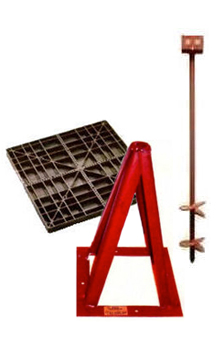
Look at piers and supports. Shifted blocks or loose shims can show up as sticky doors or windows. If you see movement, call a pro to re-level. In wind-prone areas, tie-downs/anchors are inspected after big storms; they’re a system that benefits from occasional eyes on it.
That’s the loop—one calm, yearly pass to keep the essentials in line.
Mobile Home Safety: The Final Check Mark
A little time here and there is enough to keep your home ready for the seasons ahead. You’ve tested alarms, looked over wiring, confirmed airflow, checked heat and hot water, walked the roofline, and peeked under the floor. Every small step adds up to stronger, long-term mobile home safety and a home that feels more dependable every day.
And if you find you need a part—or just a nudge in the right direction—Mobile Home Parts Store is close by. Our team understands how these homes are built and how small fixes can make a big difference. Whether you’re tackling a weekend project or planning ahead, we’re always glad to help you keep your home feeling steady, safe, and comfortable.
Tags: fire, fire safety, HVAC, mobile home safety, mobile home skirting, roof, safety

