 SIGN-UP FOR THE MHPS NEWSLETTER!







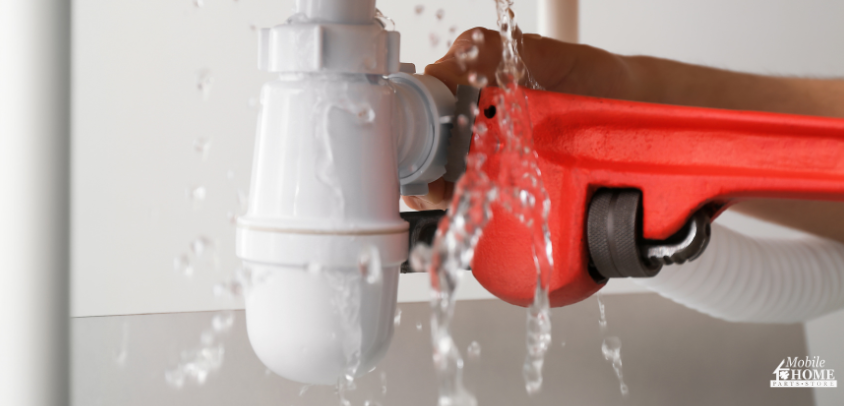
Plumbing problems never wait for a good moment. One minute, you’re midway through a shower, and the water just won’t drain; the next, there’s a slow drip downstairs because the toilet’s wax ring has finally given up. And when they do, one question usually follows: fix it yourself, or call a professional?
The answer depends on what’s leaking, clogging, or rattling. Some repairs are easy wins you can handle with a wrench and a little patience. Others can turn messy fast—especially when pipes run under the belly wrap or into subflooring. Knowing the difference will save you time, money, and a whole lot of frustration when dealing with mobile home plumbing.
Mobile Home Plumbing: The Drips You Can Nip
Start with what you can see, reach, and shut off. These are low-risk, high-reward wins—simple fixes that can make a noticeable difference in your mobile home plumbing.
A few common DIY-friendly jobs include:
Fixture Quick-fixes
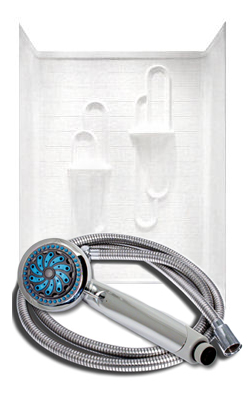
Swap a showerhead or aerator, replace a faucet washer or cartridge, or adjust a running toilet using the flapper, fill valve, or float. These small parts often wear out over time and are easy to replace with basic tools.
Clear Simple Clogs
A cup plunger works well for sinks and tubs, while a flange plunger is best for toilets. A hand snake can help with hair and soap scum. Skip chemical cleaners—they’re hard on pipes and usually don’t do much.
Stop Small Weeps (Temporary)
Fresh thread tape and a snug turn—hand-tight plus a quarter turn—can calm tiny drips. A compression repair coupling or epoxy putty can hold you over until a proper fix is made.
Prep & Basics
Shut off water at the fixture and confirm it’s actually off. A quick “before” photo helps with reassembly. Laying down a towel or tray keeps the area dry. It also helps to keep a simple kit handy: adjustable wrench, pliers, thread tape, cup and flange plungers, hand snake, bucket, flashlight, and gloves.
If everything is visible, reachable, and dry underfoot, it’s usually a good candidate for a DIY attempt.
Where DIY Often Goes Wrong
A lot of DIY plumbing starts with the right mindset—“I can handle this.”
And sometimes, you can!
But the moment a fitting won’t tighten, a part doesn’t line up, or that tiny drip keeps tapping the floor pan… things can slide off track quickly.
Here are a few ways simple fixes turn into bigger headaches when working on mobile home plumbing:
Misreading What’s Really Going On
A slow drain during your shower might seem like a simple clog, but it could be a venting issue. Same with that “little” toilet leak—sometimes it’s not the ring at all, but high water pressure pushing where it shouldn’t. If the problem keeps coming back, the cause is usually bigger than the first repair.
Tightening Things a Little Too Much
We’ve all been there—“a little more should do it.”
But overtightening plastic fittings can crack them. Too much tape or the wrong sealant can create leaks instead of solving them. It’s the plumbing version of trying to fix a zipper only to break the teeth.
Mixing Materials That Shouldn’t Be Mixed
PEX, CPVC, PVC, and metal piping all use different fittings. One wrong connector might hold… until temperatures swing or pressure spikes. In a mobile home, that can mean trouble under the floor before you even notice.
Forgetting the Water Shut-off and Pressure
Even a small job gets messy fast if the water isn’t fully off or pressure hasn’t been relieved. Open the wrong joint, and suddenly you’re starring in your own indoor fountain show.
Code Shortcuts that Catch Up Later
Some plumbing repairs require specific materials or methods. If they’re not done properly, you may face inspection issues, insurance problems, or have to redo the work later—never fun.
DIY absolutely has its place. But when a “quick fix” becomes “why is this getting worse?” it’s usually time to take a step back.
When Is it Time to Pass the Wrench?
Some plumbing jobs go beyond the DIY pay grade. If the problem is under pressure, buried behind finished walls, or tied into complex supply or drain lines, it’s usually best to call a licensed pro. They bring inspection cameras, pressure-testing gear, and PEX expander/crimp tools—and they know the building codes that keep repairs safe and reliable. That expertise prevents repeat leaks, hidden damage, and costly do-overs in mobile home plumbing.
Call a licensed pro if you notice:
- Multiple fixtures are draining slowly, gurgling, or producing sewer odors. This often points to a main line or vent stack issue—not just a trap cleanout.
- Leaks that keep returning in different places. This can indicate high system pressure, failing fittings, or aging pipe that needs more than a patch.
- Water heater problems. Leaks, no hot water, or breaker/T&P valve trips (gas or electric) are safety-critical and need proper diagnostics.
- Anything tucked behind walls, floors, or the underbelly. Proper access, repair, and resealing of belly wrap or vapor barriers are essential for long-term performance.
- Freeze damage, burst pipes, or a failed main shut-off. Speed and specialized tools limit collateral damage—this isn’t the time to experiment.
If any of these ring true, bringing in a pro is usually the fastest, safest, and most cost-effective way to protect your home.
Cost & ROI: Dollars, Drips, and Drywall
DIY can save money, especially on clean, simple fixes. Swapping a cartridge, adjusting a toilet valve, or clearing a routine clog can cost little beyond parts. You also eliminate labor charges—and you learn along the way.
But the math changes when things go wrong. A snapped fitting or an unnoticed drip can quickly soak cabinets or flooring. Cleanup plus a proper repair often costs far more than having a pro handle it from the start.
Professional repairs cost more upfront, but that price includes accurate diagnosis, code-compliant work, and often a warranty. That peace of mind matters, especially when repairs involve your home’s structure, hot water system, or main supply lines.
Avoiding just one major leak or structural issue can easily outweigh the cost of several smaller service calls—making professional help a smart investment when the stakes are high.
To DIY or Not to DIY? That Is the Plumbing Question
When you’re staring at a leak or a clog, it helps to pause before reaching for tools or the phone.
Start by asking a few simple questions:
- Can I see the full problem?
- Do I understand what part needs to be replaced?
- Can I turn the water off safely?
- Is this repair above the floor, or does it require opening a wall or the underbelly?
- If I make a mistake, could it cause water damage?
If most answers point toward DIY and you feel confident, it’s worth trying. If not—or if you’ve tried and the problem persists—a professional is the safer and more cost-effective next step.
Balancing both approaches keeps your home protected and your budget steady. Over time, you’ll learn which repairs are your strengths and which are best handled by someone with more training. That confidence is part of caring for mobile home plumbing.
Pick Your Battles… and Your Valves
The best plan isn’t “DIY only” or “pro only.” It’s about matching the job to the right level of skill, tools, and risk. Quick wins—like a toilet flapper or a clogged sink—are perfect DIY practice. System-wide leaks, sewer problems, gas or water heater work, and anything behind walls or under the home deserve licensed expertise. That balance protects comfort, keeps costs in check, and helps your plumbing last.
When you’re ready to tackle a project or you just need the right parts to do it well, Mobile Home Parts Store is here to help. From faucet parts to supply lines, fittings to valves, we’re committed to helping you fix things right the first time and keep your mobile home plumbing running the way it should.
Tags: diy, mobile home contractor, mobile home diy, mobile home plumbing

