 SIGN-UP FOR THE MHPS NEWSLETTER!






If you’ve ever started pricing upgrades, you’ve probably had the same moment most of us do. You look up one thing—maybe flooring or a new faucet—and suddenly you’re thinking about trim, subfloor, underlayment, transitions, and whether that “quick project” is actually two weekends and a receipt pile.
That’s why there’s no single, tidy number that fits every home. The cost to renovate a mobile home can be a $1,500 refresh or a $50,000 transformation, and both can make sense depending on what you’re fixing, updating, and improving.
What drives the cost usually comes down to scope, materials, labor, and the condition of the home itself—especially the parts you can’t see yet. Once you know how those pieces fit together, it gets a lot easier to plan without guessing.
Start With Scope: What Your Project Really Involves
Before you price out flooring or pick paint colors, it helps to zoom out and decide what kind of project you’re actually taking on. This step does more to keep budgets realistic than almost anything else.
Cosmetic Refresh: Big Impact Without Major Work
A cosmetic refresh is the simplest place to start. Think fresh paint, updated fixtures, new trim, basic flooring replacement, and small repairs. These changes can dramatically improve how a home feels without ripping out walls or moving plumbing. When the structure and systems are in good shape, this type of project tends to stay on the lower end of mobile home renovation costs.
Mid-Level Renovation: Everyday Function Upgrades
A mid-level renovation goes beyond looks and improves how the home works. This is where kitchens and bathrooms come into play, flooring may be replaced throughout, lighting gets updated, and older fixtures are swapped for better-performing ones. Costs rise here because skilled labor often becomes part of the plan—especially for plumbing and electrical work—but these upgrades usually pay off in day-to-day comfort.
Full Renovation: When Repairs and Systems Take Over
A full renovation is a different category altogether. This can include structural repairs, roof replacement, HVAC upgrades, major plumbing or electrical updates, new windows, and deeper interior rebuilds. Once walls are opened or water damage is addressed, costs can move quickly. This is also where surprises show up most, which is why careful planning—and a backup budget—matters.
A Few Mobile-Home-Specific Things to Watch For
Older manufactured homes can reveal a few things once work begins—soft subfloors near tubs and toilets, aging plumbing lines, or outdated electrical setups. Taking care of these early keeps new finishes from having to be redone later, and it usually saves money in the long run.
Mobile Home Renovation Costs by Size: Single-Wide vs. Double-Wide
Home size plays a big role in renovation costs. More square footage means more flooring, more paint, more trim, and more labor hours—plain and simple.
Single-Wide: Where Costs Add Up Faster Than You Expect
A single-wide mobile home renovation can vary a lot by scope, but full projects often fall between $10,000 and $50,000.
Single-wide homes typically range from about 600 to 1,300 square feet, which helps explain why material and labor costs can still add up quickly even when the home feels smaller.
Lighter updates—paint, flooring, fixtures—typically stay closer to the lower end, especially if some work is handled without hiring everything out, and especially if you do some of the work yourself. Many of these surface-level updates land around $10,000 to $20,000 when the scope stays focused.
Once kitchens, bathrooms, windows, electrical upgrades, or system replacements are added, totals rise quickly. Structural repairs, roof replacement, or HVAC upgrades can push the investment past $50,000, even in a smaller home.
Double-Wide: Why Bigger Homes Mean Bigger Budgets
A double-wide mobile home renovation usually scales up simply because there’s more house to work with. Complete renovations are commonly estimated around $20,000 to $100,000, depending on finishes and scope.
Double-wide homes often fall between about 1,000 and 2,300 square feet, which increases material quantities and labor time across nearly every part of the project.
To put that range into everyday terms:
- Cosmetic Improvements: around $20,000 to $40,000 with quality materials and professional installation
- Mid-Range Renovations: around $40,000 to $70,000 (kitchen and bath updates, flooring throughout, lighting)
- High-End Renovations: can exceed $100,000, especially with premium finishes or structural work
Why Phasing Makes Sense for Many Double-Wides
For many homeowners, phasing is the most realistic way to renovate a double-wide. Start with protection and problem areas, then move into kitchens, bathrooms, and finishes as the budget allows.
Planning Tip: Some mobile home parks or communities require approval for exterior changes like roofing, siding, skirting, steps, or decks. Checking early can save time and frustration later.
Interior vs. Exterior: Where Most Budgets Actually Go
Most renovation budgets lean toward interior projects, largely because kitchens and bathrooms combine higher material costs with skilled labor.
Why Kitchens and Bathrooms Drive Costs
A kitchen remodel is often the biggest interior expense. Mobile home kitchens commonly fall between $8,000 and $25,000, depending on cabinets, countertops, appliances, and whether plumbing or electrical updates are needed. Even smaller kitchens add up quickly because cabinets and counters are priced by materials and labor, not room size.
A bathroom renovation typically runs $3,000 to $12,000 per bathroom. A simple fixture swap is very different from replacing a mobile home bathtub or shower, adjusting plumbing, or repairing subfloor issues—and bathrooms are where hidden damage often shows up.
Living Areas: Simple Updates, Real Labor
Living area updates—flooring, paint, trim, and lighting—often land between $3,000 and $10,000, depending on square footage and materials. One cost that catches people off guard is prep work. Leveling, patching, underlayment repairs, and clean transitions between rooms take time, but they’re what make the finished space feel right.
Exterior Projects That Matter Long Term
Exterior upgrades do more than improve curb appeal. They help protect the home from moisture, temperature swings, and long-term wear.
A roof replacement commonly costs $3,000 to $10,000, depending on materials and home size. When a roof fails, it rarely stops at the roof—damage can spread to insulation, ceilings, and framing below.
Siding repair or replacement often ranges from $3,000 to $15,000.
Skirting installation or replacement typically runs $900 to $3,000. Beyond appearance, good skirting helps protect plumbing and wiring underneath. Access panels and ventilation make a bigger difference than many people expect.
Exterior paint often falls between $1,500 and $5,000, depending on surface condition and prep work.
Window replacement generally costs $200 to $800 per window, depending on size and efficiency. This is one of those upgrades you notice right away when the weather changes.
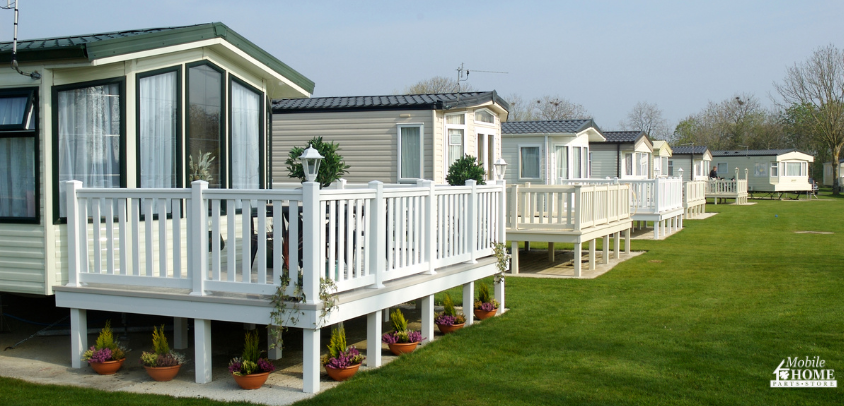
Decks, porches, and steps add everyday usability, but costs vary.
Deck and Porch Budgeting: Many projects land in the $5,000 to $20,000 range depending on size, materials, railings, and framing.
Projects that improve kitchens, bathrooms, and exterior protection usually deliver the most day-to-day value and tend to hold their worth better over time compared to purely cosmetic updates.
Mobile Home Renovations Room-by-Room: What You Can Expect to Spend
Breaking renovations into smaller pieces makes planning and quoting much easier.
- Kitchen: Many upgrades fall in the $5,000 to $15,000 range, with cabinets and countertops driving most of the cost. Layout changes or premium finishes raise totals quickly.
- Bathroom: Often $3,000 to $8,000 for a typical update, and more if plumbing moves or subfloor repairs are needed.
- Flooring: Material choice matters, but prep work often matters more. Subfloor repairs and leveling are common cost drivers.
- Paint and fixtures: These are usually the most affordable updates with the biggest visual payoff.
Treating each room as its own project helps with phasing and keeps budgets from ballooning all at once.
DIY vs. Pro: Knowing When to Hire Help
If you’re balancing cost and comfort level, this general split helps:
- Often DIY-Friendly: painting, trim, hardware, faucets, light fixture swaps, basic flooring installs when the subfloor is sound
- Usually Worth Hiring Out: electrical panels and circuits, plumbing moves, roofing, HVAC work, structural repairs, and subfloor replacement
When in doubt, a quick inspection or consultation can prevent expensive mistakes later.
Costs That Often Catch People Off Guard
Materials, labor, and home condition all matter, but timing and surprises play a role too.
Better materials cost more up front, but they can last longer and hold up better in a manufactured home environment. Labor costs vary by region and by job complexity, especially for electrical, plumbing, roofing, and HVAC work. Older homes may need repairs before finishes make sense, and permits or inspections may be required depending on the project.
Once work starts, hidden issues are common. That’s why planning a 15–20% contingency helps keep projects moving without stress.
Budgeting Mobile Home Renovations Without Losing Momentum
The smoothest renovation budgets are built around priorities.
Start with needs, then layer in wants. Needs protect the home—roof issues, leaks, electrical safety, HVAC problems, damaged floors, and windows. Wants improve comfort and appearance.
When comparing contractor quotes, make sure the scope is the same. Prep work, demolition, disposal, and finishing details can make prices look farther apart than they really are.
Phasing also helps. Many homeowners start with exterior protection and major systems, then move into kitchens, bathrooms, and interior finishes over time.
Some homeowners choose to explore financing options or energy-efficient upgrades to help manage costs. Availability varies by location and situation, but it’s worth checking local programs or lender options early so they can be factored into your plan.
A Few Realistic Budget Paths Homeowners Use
Not every renovation needs to happen at once. Many people plan around a few common paths:
- Weekend Refresh ($1,500–$4,000): paint, a few light fixtures, updated hardware or faucets, small repairs
- Comfort Upgrade ($8,000–$20,000): new flooring, better lighting, plus one focused room update like a kitchen or bathroom
- Fix-and-Finish ($25,000–$60,000+): roof, windows, or systems first, followed by interior updates once the home is protected
These aren’t rules—just a way to connect real projects to realistic numbers.
Before you start buying materials, take photos and basic measurements—especially for windows, doors, vents, skirting panels, and plumbing parts. It’s a simple step that can help you avoid returns and delays.
Measuring Twice, Budgeting Once
Most mobile home renovations don’t happen all at once. They happen one project at a time—fixing what needs attention, upgrading what makes daily life easier, and spacing things out in a way that works for your budget.
If you’re getting ready to tackle a project and want a second set of eyes on parts, measurements, or fit, Mobile Home Parts Store is here to help. Sometimes that’s ordering what you need. Sometimes it’s just making sure you’re on the right track before you start.
Either way, you don’t have to figure it out alone.
Tags: budgeting, cost, mobile home remodel, mobile home renovation, mobile home renovations

