 SIGN-UP FOR THE MHPS NEWSLETTER!




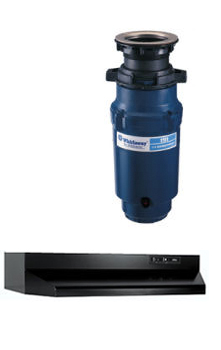
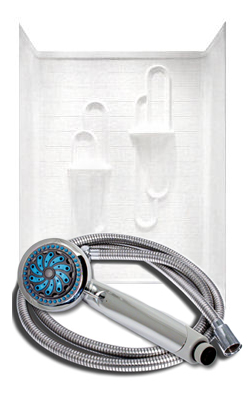
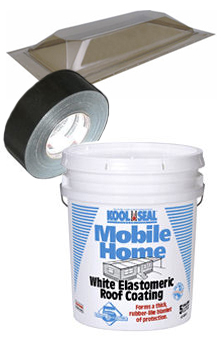
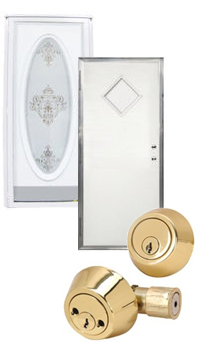
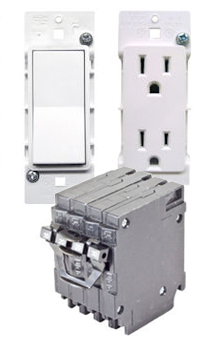
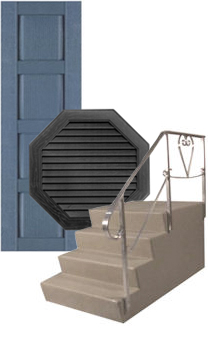
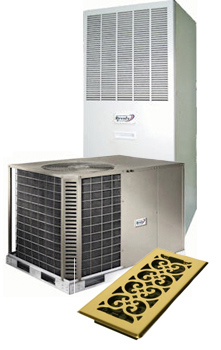
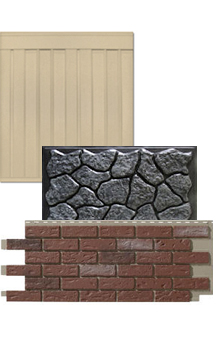
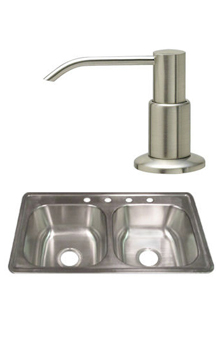
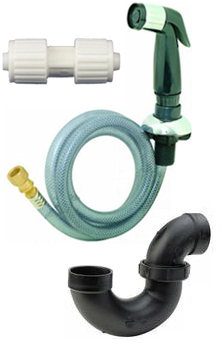
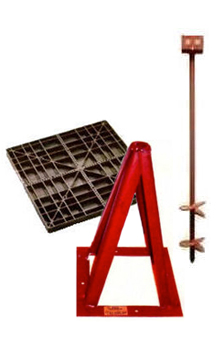
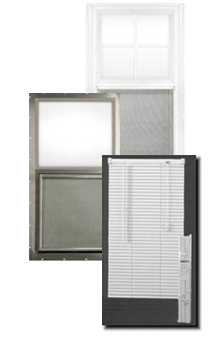




Ordering mobile home parts online is convenient, but it can also be one of those “looks right on the screen” situations. A door looks like your door. A vent looks like your vent. Then it arrives, and the screw holes don’t line up, the flange is different, or the measurements you assumed were “standard” aren’t.
You can absolutely shop online and get it right the first time. The difference is in the approach. Instead of starting with the product, start with your home. A few quick checks up front make the rest of the process easier, faster, and a lot less frustrating.
Fit Comes First (Before You Compare Anything)
It’s easy to jump straight to price, but fit is what actually determines whether a part works. If it doesn’t match the opening, the mounting style, or the way it connects, the rest doesn’t matter.
Before you search, take a few minutes to document what you already have.
Take photos from several angles. Front, back, sides, corners. Get close-ups of labels, stamps, and any numbers you can find. Even if something is faded or incomplete, it’s still worth capturing. Those small details often matter more than the product name.
Next, measure carefully and write the numbers down. If the part sits inside an opening, measure the opening as well, not just the visible face. It’s also helpful to measure the old part itself. When the part size and opening size don’t line up the way you expect, that usually points to a past adjustment or replacement.
It’s not the most exciting part of the process, but it saves you trouble later. Clear photos and written-down measurements usually prevent the most common ordering mistakes.
Where to Shop for Mobile Home Parts Online
It’s tempting to treat a manufactured home like any other house when you’re shopping for parts. Lowe’s, Home Depot, and other general suppliers carry almost everything. Doors, windows, vents, trim, and plenty of items that look like they should work.
However, the problem is that “looks like” isn’t always “fits.”
Manufactured homes are built to HUD standards, and that can change the details that matter most: dimensions, mounting, and clearances. A window, door, or vent made for a site-built home can be off just enough to create a headache once you try to install it.
When the part needs to fit a specific opening, start with a supplier that specializes in mobile home parts. You’re more likely to find sizes and mounting styles that line up with manufactured-home construction, which means fewer adjustments and fewer returns.
Save the big-box search for the truly universal stuff: fasteners, sealants, and basic plumbing supplies. Those are usually easy wins, and you can grab them just about anywhere.
If a product description feels vague or overly generic, that is usually a sign to keep looking.
A good rule of thumb is simple. If you find yourself guessing, you are probably not in the right place yet.
How to Read Listings for Mobile Home Parts Without Getting Burned
A good listing makes things clear. You shouldn’t have to read between the lines or guess what you’re actually buying. If a product page leaves you unsure, that’s usually a sign to keep looking.
Start with the measurements. Real listings give exact numbers and explain what they refer to. If all you see is “fits most” with no detail behind it, that’s not much to work with, especially when fit matters.
Materials are the next thing to check. Descriptions that lean on words like “durable” or “heavy duty” don’t tell you much. What you want to see is what the part is made of, how thick it is, and what kind of finish it has. Those details say more about how it’ll hold up than any marketing language.
Photos should back that up. Multiple angles, close-ups, and shots of mounting points or edges help you understand what you’re actually getting. When a listing only shows one polished stock photo, important details are often missing.
If the site lets you filter by manufacturer or model, it’s worth using. Even when it doesn’t land you on the exact part, it can narrow things down and help you avoid options that are almost right.
Before you move on, check what’s included. Hardware, trim, gaskets, adapters—those should be listed clearly. If you’re assuming something comes with the part, you’re taking on a risk you don’t need.
Reviews That Are Actually Useful
Reviews can be helpful, but only if you know what you’re looking for. A long list of stars doesn’t tell you much on its own. The value is usually in the details people mention once they’ve actually installed the part.
The most useful reviews talk about fit, how installation went, and how the part held up after some use. Comments that mention things like material thickness, alignment issues, or how the item was packaged tend to be more telling than quick reactions.
It also helps to read a few reviews together instead of focusing on just one. If the same issue keeps coming up—sizing confusion, missing components, unclear instructions—that’s worth paying attention to. One complaint can be a fluke. A pattern usually isn’t.
Customer photos are another good reality check. They show what the part looks like out of the box and how it fits once installed, which is often more useful than polished product images.
Finally, take a quick look at how the seller responds to feedback. Clear, thoughtful replies usually signal that they know their products and are paying attention when something goes wrong.
Pricing: Compare Value, Not Just the Number
Price matters, but it shouldn’t be the only deciding factor. When mobile home parts are priced much lower than similar options, there’s usually a reason. Sometimes it’s thinner materials. Sometimes hardware isn’t included. Other times, the sizing is vague, and the risk quietly shifts onto you.
The easiest way to think about value is to compare the details side by side. Measurements, materials, what’s included, and what reviews consistently mention. A part that costs a little more but fits correctly and holds up over time often ends up being the better buy.
The cheapest option can be tempting. If it checks the boxes, great. But if the listing is light on specifics, it’s worth pausing before you commit.
Support Still Matters
You probably won’t think about support unless something goes wrong. But it’s still worth knowing it’s there.
Orders get mixed up. Parts arrive damaged. Measurements don’t line up the way you expected. When that happens, the experience depends less on the part itself and more on how the seller handles it.
Before you buy, take a minute to see how other customers talk about support. Do reviews mention issues being resolved, questions being answered, or problems being handled without much back-and-forth? That’s often the clearest sign of what to expect.
Clear contact information and a visible support or returns page matter too. They’re easy to overlook, but they tell you whether a seller is prepared to help if something doesn’t go as planned.
When you’re buying mobile home parts, especially items that need to fit a specific opening, knowing there’s solid support behind the purchase can make all the difference.
Mobile Home Parts Store
If you’d rather shop with a team that lives in this world every day, Mobile Home Parts Store is here. We’ve been serving customers since 2000 and built our catalog around manufactured-home needs, so it’s easier to find parts that fit and make sense for your setup.
Have a question before you order, or want a second set of eyes on what you’re seeing? Call our customer service team at 1-888-277-7220 during weekday hours.
Tags: manufactured home parts, manufactured home supplies, mobile home parts, Mobile Home Parts Store, mobile home supplies, supplies

