 SIGN-UP FOR THE MHPS NEWSLETTER!






Rent has a way of taking up space in your head. You pay it, you plan around it, and then you wait to see what it will be next year. Even when you like where you live, there’s a steady feeling that you’re building someone else’s future, not your own. Mobile home living is one way people step out of that pattern and into a home they can shape, protect, and keep.
This is not about chasing a “perfect” setup. It is about getting to a place where housing feels more stable, and your money has somewhere better to go.
When Rent Keeps Moving, It’s Hard to Move Forward
Rent is predictable in one way. It is due every month. What is not predictable is how fast it goes up, or how long you will be able to stay. Even when you like your place, a lease is still temporary. A building can change owners. Rules can change. Costs can change. You can do everything right and still feel like you are treading water.
There is also the emotional side of it. You can make a rental feel comfortable, but you still have limits. Maybe you cannot paint, upgrade, add storage, or replace a door that sticks. Even small repairs often mean waiting on someone else’s timeline. Over time, that lack of control wears on you.
When people talk about escaping the renting cycle, they often mean two things at once. They want a better monthly number, and they want a place that finally feels secure.
The Financial Side of Mobile Home Living, Without the Hype
Traditional homeownership can feel like a locked door. High home prices, large down payments, and strict lending rules push that door farther away each year. Manufactured and mobile homes often lower that barrier.
A mobile home can cost far less than a site-built house, and that changes everything. It changes how much you need to save, how large the loan might be, and how much of your monthly budget goes to housing. Instead of putting most of your income into rent, you can put money into a home you own. Over time, you are building equity rather than paying for someone else’s investment.
Over time, ownership gives you the chance to build equity, even if you start small. It is not about having the fanciest place on the block. It is about stability that grows with you.
And when the home itself costs less, you may find more room in your budget for the things that make daily life easier. Maintenance. Small upgrades. A savings cushion. The kind of breathing room rent rarely allows.
What Feels Better Day to Day With Mobile Home Living
Money matters, but daily life matters too. Many renters do not just want a cheaper place. They want a better way to live. Mobile home living can offer that in several practical ways.
You are not sharing walls with strangers on every side, and the kind of upstairs noise that follows you from room to room is no longer part of daily life. Instead, you have your own front door and your own entry, along with a level of separation that apartments rarely offer.
Daily routines also get easier. A washer and dryer in your own space changes the week. So does having storage that is actually yours. A kitchen you can set up the way you like. A living room that is not shaped by rules about nails, paint, or “approved” window coverings.
Even small details add up. Parking near your door. Carrying groceries in without stairs. Being able to step outside without walking past a hallway of neighbors. It is less friction. Less waiting. More comfort.
Privacy, Security, and Having the Final Say
In many rentals, your privacy depends on the building. Your security depends on what the property manager installed and what they are willing to maintain. Ownership changes that.
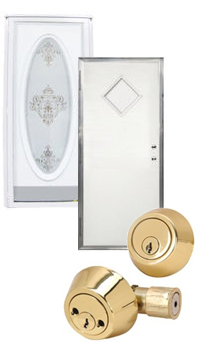
When you own your home, you choose the locks. You can replace a worn latch, add a deadbolt, or upgrade hardware when it makes sense. When visibility matters, adding lighting where you want it can make a noticeable difference. If security is a priority, installing a camera system or motion-activated lights is another option to consider.
Privacy improves in simple ways, too. Fewer shared spaces mean fewer chances for everyday disruptions. If your home has a carport, a porch, or a small outdoor area, you also gain space that feels like yours, not a shared amenity you have to schedule around.
This control is not about fear. It is about peace of mind. It is knowing that you can respond quickly when something feels off, and that your home can be set up to match your comfort level. For a lot of people, that alone changes how home feels at the end of the day.
Freedom to Make the Home Fit You
One of the hardest parts of renting is living with someone else’s choices. Someone else’s paint. Someone else’s appliances. Someone else’s rules.
Ownership flips that. You can paint the walls without asking permission, and finally replace a faucet that never quite worked right. Over time, projects like adding shelving, upgrading lighting, or installing a ceiling fan start to make the space feel better all year.
You can also take care of maintenance on your own schedule. That matters because small issues become big issues when they sit too long. A loose threshold, a drafty door, or a slow drain is easier to fix early. When you can handle those updates when you notice them, the home stays in better shape, and you stay in control.
If you are in a community with rules, you still have freedom inside your home. You may also have community perks, like a neighborhood feel, shared amenities, or services that make daily life easier. You are choosing what works for you.
Two Common Paths: Private Land or a Community
There is no single “right” setup. Many people picture a home on private land, and that can be a great option. You own the home and the land, and you have full control over the space.
Others prefer a land-lease community. In that setup, you own the home and lease the lot. Many communities offer a social neighborhood feel, and you may have access to features like maintained roads, lighting, or shared spaces. For some, that balance is ideal.
The key is to look at the full monthly picture and the lifestyle that comes with each option. What do you want your day to look like? It helps to think just as carefully about how you want your costs to feel over time—and what kind of long-term stability matters most to you.
A Clear Transition Plan for Mobile Home Living
If you are coming from renting, the shift to ownership can feel like a lot. It helps to break it down into clear steps.
1) Get Clear On the Monthly Number
Start with what you can comfortably pay each month, including utilities and savings. Then compare that to possible home payments and, if needed, lot rent. You do not need a perfect spreadsheet to begin. You need a range that feels safe.
2) Decide What “Fits” Means For Your Home
Think about layout and daily use. How many bedrooms do you need? Do you want an open kitchen? Do you need space for hobbies or work? A home that matches your routines will feel better than one that only looks good in photos.
3) Explore Financing Options Early
Financing for manufactured homes can look different than a traditional mortgage, depending on the home type, location, and whether land is involved. Credit unions, specialty lenders, and community programs can all play a role. Starting early helps you understand what is possible and what steps will improve your options.
4) Choose a Location That Fits the Way You Approach Mobile Home Living
If you are looking at communities, visit them. Pay attention to upkeep, lighting, rules, and how the neighborhood feels. If you are placing a home on private land, research zoning and utility connections. A strong location choice prevents headaches later.
5) Plan Your Setup and First Updates
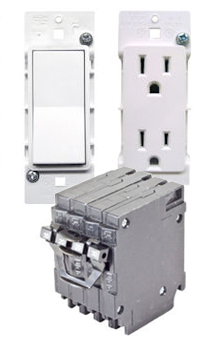
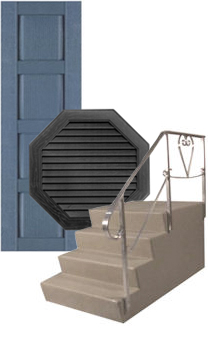
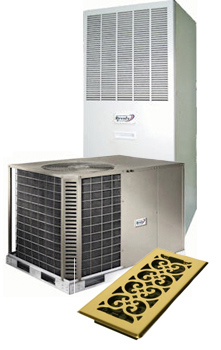
Moving into a manufactured home is a great time to take care of key comfort items. Door seals. Vent covers. Plumbing fixtures. Lighting. These are not flashy, but they make the home feel solid fast. They also protect the home long-term.
This is also where mobile home living becomes more than a housing choice. It becomes a system you can maintain and improve in small steps.
Keep Costs Low With Smart Maintenance
Owning is not only about buying. It is also about keeping the home running well. Regular maintenance keeps comfort steady and avoids surprise repairs.
Focus on the areas that affect everything else.
- Doors and windows: Check weatherstripping, thresholds, and locks. Drafts add up quickly.
- Plumbing: Watch for slow drains, dripping shutoffs, or soft spots near fixtures.
- HVAC airflow: Change filters, keep vents clear, and make sure return air can move.
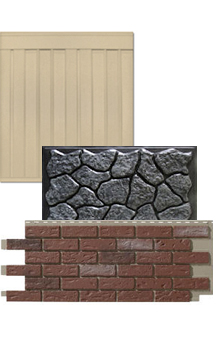
- Roofing and skirting: These protect the structure. Small issues here can create bigger damage later.
- Safety basics: Smoke alarms, CO alarms, and outdoor lighting are simple upgrades that matter.
This approach supports financial stability. It also protects your time, because fewer emergencies mean fewer last-minute repairs.
What This Choice Can Unlock Over Time
When rent is your biggest expense, it controls your options. When housing becomes more manageable, you can start making decisions based on what you want, not what you can survive.
That can mean saving. It can mean paying off debt. It can mean working toward a goal that used to feel impossible. Many people also find that they enjoy their home more when they can update it gradually. A new faucet one month. Better lighting the next. A small bathroom refresh later on.
That is the pace of ownership. It is steady. It is practical. It is built on progress.
And for many households, mobile home living is the bridge that makes that pace possible.
A Home You Own, With Support When You Need It
If you are ready to stop paying rent with no return, ownership is worth a serious look. Mobile and manufactured homes can offer a realistic path to a home that feels like yours—more privacy, more control, and a monthly cost that leaves room for the rest of your life.
Of course, once you own a home, you also end up maintaining it. And manufactured housing has its own standards, measurements, and quirks. Anyone who has tried to replace a door, window, or plumbing part knows that “close enough” usually is not good enough.
At Mobile Home Parts Store, we focus on those differences, offering parts made for manufactured-home setups and support that helps homeowners get the fit right the first time.
Because mobile home living works best when the home works for you.

