 SIGN-UP FOR THE MHPS NEWSLETTER!








Most heating problems in a manufactured home don’t start with a breakdown. They start with small shifts you feel long before anything shuts off: the furnace running longer to reach the same setting, one end of the home cooling faster than the other, or airflow that feels thinner at the registers. Those changes usually point to strain—heat isn’t moving through your HVAC system the way it should.
Longevity comes from easing that strain. In a manufactured home, that begins with the essentials: a filter that isn’t slowing down the return air, a return path that isn’t blocked, and ductwork that’s sealed well enough to deliver heat to the rooms instead of letting it disappear into the belly of the home. On double-wides, the crossover connection plays an even bigger role; if it loosens or leaks, the furnace makes up the difference by running longer, and that extra runtime is what shortens the life of components.
What follows is a steady maintenance rhythm built for manufactured homes—simple checks that support stronger, more consistent heat, paired with clear points where bringing in a technician protects both the equipment and your budget.
Start With Airflow and Let Your HVAC System Breathe
When heat feels weak or uneven, start with airflow. The furnace can make plenty of heat. If air cannot move through the system freely, the equipment has to work harder, and wear shows up faster.
Make the Filter a Habit
The filter is where many airflow problems begin. As it loads up, airflow drops. Then comfort starts to slide. Rooms feel uneven, the furnace runs longer, and dust finds its way past places it should not.
During heavy heating seasons, check the filter once a month and replace it when it looks loaded or discolored. Make sure it fits properly. A filter that is too small, bowed, or loose creates resistance or lets air bypass the media—both work against the system.
Very high-efficiency filters are not right for every setup. If the furnace sounds strained or airflow drops right after a filter change, step back to a filter the system can handle while still managing dust.
Keep the Return Path Open
Supply registers get attention because you feel the air there. Returns keep air coming back to the furnace so it can be heated again. If return paths are blocked, the blower has to fight to pull air through the system.
Walk through the home and look at return grilles. Move furniture, baskets, or storage that crowd the opening. Check rugs that have crept over the grille. Small obstructions like these change how the whole HVAC system performs.
In many manufactured homes, an undercut door or a louvered door helps air get back to the furnace. Keep that route open. That path is part of the airflow loop just as much as the ducts.
Once the filter is sized and seated correctly and returns are clear, heat delivery usually steadies. If one side of the home still runs cooler, it is time to look at the outdoor unit and the duct system.
Keep the Outdoor Unit Clear So the System Can Work
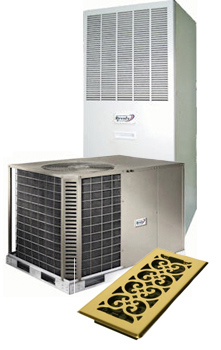
On a heat pump, the outdoor unit is part of the HVAC system. It has to pull heat from outside air and move it into the home. If it is boxed in or covered in debris, that job gets harder. Heat output drops, run time climbs, and parts age faster.
Give It Space and Keep It Clean
Outdoor units often get crowded slowly. A shrub grows closer. Storage shifts into the area. A planter ends up near the coil. Over time, the unit loses the open space it was installed with.
Clear the area so air can move freely on all sides. A couple of feet of open space is a solid target. That gives room for airflow and room for a technician to work if service is needed.
Keep the Coil Clean
A dirty coil behaves like a clogged filter. Grass clippings, leaves, and dirt build up on the fins and make it harder for the unit to move heat.
Shut the power off and rinse the coil gently with a garden hose when it looks dirty. Avoid pressure washers. Bent fins restrict airflow and create a new repair problem.
Watch Winter Conditions
For heat pumps, winter care matters. The outdoor unit still needs airflow in freezing weather. Snow piled against the sides or packed underneath keeps it from pulling enough air to heat properly. After storms, clear snow and ice away so the unit can do its job without fighting the conditions around it.
Once the outdoor unit has breathing room and a clean coil, the system is not fighting the outside environment as much. If the home still heats unevenly, the heat is usually being lost or slowed down inside the duct system.
Ductwork Stress and Your HVAC System
When the furnace runs and the home still feels uneven, ducts are often the reason. The equipment can be in good shape, but if air is leaking out or getting held up, heat does not reach the rooms that need it. In a manufactured home, that trouble often shows up in the belly or along flex runs that have sagged or been crushed.
How Duct Problems Show Up
Duct issues tend to follow a pattern. One room never catches up. Air feels strong at a nearby register and weak at one farther down the line. Dust builds faster around certain vents. The furnace stays on longer than it should, yet the temperature never feels steady from end to end.
In those situations, the thermostat is rarely the main culprit. The real problem is air delivery.
What You Can Check
If you can see sections of duct without opening the belly or working in unsafe spaces, start there.
On metal ducts, look for loose joints, separated seams, and collars that have slipped. On flex duct, look for low spots and flattened sections. A sagging or crushed run behaves like a kinked hose. Air still moves, just not enough to heat the rooms at the far end.
Outside, look at the belly. Tears, missing sections, or areas that hang low often show up alongside ducts that are out of place or leaking into the space beneath the home. When heated air spills into that cavity, the furnace has to run longer to keep the living space comfortable.
Sealing Small Leaks
Small, accessible leaks are worth fixing. Use mastic or HVAC-rated foil tape on clean metal so it bonds along the full joint. Skip standard cloth “duct tape.” It dries out, lets go, and leaves you with the same leak again.
Duct cleaning is only worth considering when there is visible buildup, evidence of pests, or debris blowing out of registers even after filter and return issues are handled. In those cases, a deeper inspection and cleaning may help restore proper flow.
Knowing When to Call a Technician
Some duct issues are more than a homeowner can patch. Crushed or disconnected runs in the belly, major damage to the underfloor cavity, or comfort problems that do not change after filter, return, and outdoor-unit work all point to the same next step: a full duct inspection.
Once duct delivery improves, the rest of the system usually settles down. Rooms track closer together in temperature, cycles shorten, and the thermostat starts to match how the home actually feels.
Use the Thermostat to Support Your HVAC System, Not Fight It
Frequent starts and stops are hard on heating equipment. Some cycling is normal. Short cycles and wide swings in temperature are what shorten the life of parts.
If the thermostat moves up and down several times a day, your HVAC system never really settles. Large jumps force long recovery runs where the furnace works harder than it needs to. A narrower range works better. Choose a comfortable band and stay close to it. Small changes for day and night are fine. Big swings usually cost more in wear than they save in fuel.
A programmable thermostat helps by keeping those changes on a consistent schedule. It handles morning, evening, and sleep settings without constant manual adjustments. Smart models can add reports and alerts, but they do not correct inconsistent heat. When some rooms lag behind, the cause is almost always airflow, duct performance, or heat loss—not the thermostat.
Think of the thermostat as a setpoint, not a fix. When the system can move and deliver air properly, the home responds to modest adjustments. When it cannot, constant dialing only hides the underlying issue.
Reduce the Load With Sealing and Insulation
Equipment lasts longer when it is not fighting the building. If warm air leaks out through gaps or thin spots, the furnace has to stay on longer just to hold the same temperature.
Start with leaks you can reach. Exterior doors that feel drafty. Window edges with visible gaps. Openings around pipes, vents, and cables where they pass through floors or walls. Weatherstripping, door sweeps, and caulk can tighten those up and take strain off your HVAC system.
In a manufactured home, the connections between the living space and the underfloor cavity matter as well. Open chases, gaps around registers, or damaged sections of floor or belly board allow heat to escape into that space instead of staying in the rooms.
Insulation backs up that sealing work. When it is intact and dry, it slows heat loss and helps rooms hold temperature between cycles. Where insulation is missing, compressed, or wet, those areas stay harder to heat and keep the furnace running longer.
After leaks are sealed and insulation is in decent shape, the home holds heat better. The system spends more time keeping the temperature steady and less time pulling the home back from deep drops.
Manage Humidity and Air Movement
Humidity and air movement change how the home feels at a given setting. High humidity makes the space feel warmer and heavier. Very dry winter air can make a normal setpoint seem cooler than expected.
Handle moisture directly instead of chasing the thermostat. During humid months, a dehumidifier can ease the workload on your HVAC system while helping maintain comfortable indoor conditions. In the heating season, adding a modest amount of moisture with a humidifier can help the home feel comfortable at a slightly lower setting.
Air movement helps smooth out hot and cold spots. Ceiling fans can move warm or cool air into the parts of the room where you actually spend time. In warm weather, set them so you feel a light breeze. During heating season, a low setting that brings warm air down from the ceiling helps rooms stay more even. When the room is empty, turn fans off. They change how people feel in the air that is already there; they do not actually change the room temperature.
Once humidity and circulation are under control, the equipment does not have to run as long to keep the home comfortable.
Protect Electronics and Catch Small Problems Early
HVAC systems rely on control boards, sensors, and advanced motors. These parts handle precise control but do not tolerate voltage spikes or long stretches of stressed operation very well.
If storms and power blips are common where you live, surge protection is worth considering. A whole-home surge protector can help protect major appliances. In some setups, additional protection for the outdoor unit or air handler is a good topic to raise during service.
Pay attention when the system changes its habits. Short cycling that was not there before. New smells. New noises. Weak airflow that does not improve after a filter change. Ice forming where it should not be. All of those point to a problem that should not be ignored.
Addressing those early signs keeps small issues from turning into major failures and keeps the equipment from running under strain for weeks at a time.
Regular professional maintenance ties everything together. Cooling service in spring and heating service in fall give a technician a chance to clean, tighten, test, and adjust what matters. That visit costs less than a breakdown and helps the system last longer in a manufactured home that depends on it every day.
Let Your HVAC System Catch Its Breath
Keeping a manufactured home comfortable comes down to steady upkeep and paying attention when the system changes its habits. Small steps have a big impact when the goal is to reduce strain and keep equipment running the way it should.
When it is time to replace filters, update vent covers, seal accessible duct joints, or upgrade a thermostat, fit and compatibility matter. Mobile Home Parts Store carries HVAC maintenance supplies built for manufactured-home layouts, along with support to help you confirm sizing and specs before you order. It keeps the guesswork out of the job and helps your equipment last longer.
Tags: heating and cooling, HVAC

