 SIGN-UP FOR THE MHPS NEWSLETTER!








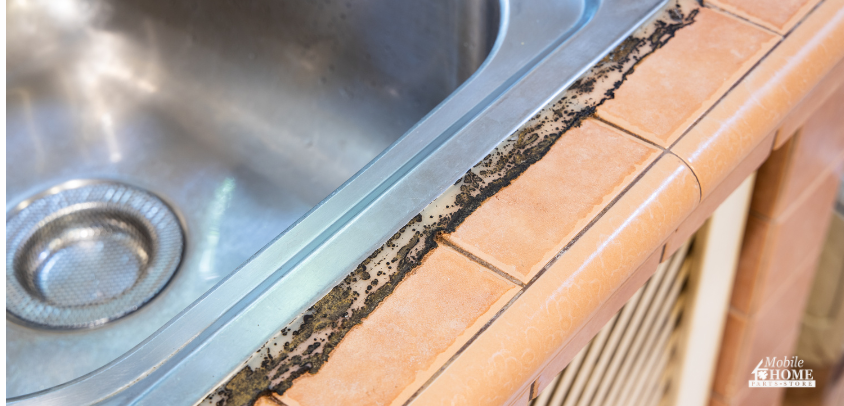
A musty smell that won’t leave. A soft spot near the bathroom. A stain that keeps coming back at the bottom edge of a wall. These are the kinds of signs that are hard to ignore, because mold growth usually means moisture has been sitting somewhere it shouldn’t. If you’re trying to find mold in a mobile home, start by tracking moisture.
Mold needs three things to take hold: moisture, warmth, and something it can feed on. Warmth is already there in a lived-in home. And there’s plenty for it to feed on—wood framing, plywood or OSB subfloors, the paper face on drywall, and even residue on hard surfaces. So the search almost always comes back to one thing: moisture. Find the moisture, and you usually find the source.
What follows is a practical way to check the most common hiding spots, without turning the whole home upside down.
Signs of Mold Growth: What to Look For, Smell For, and Feel For
Musty Smells and Where They Usually Come From
That “old basement” or “wet wood” smell often shows up before anything looks wrong. Odor can drift through the home, so it won’t always point to the exact location. Still, it helps you narrow down where to spend your time. Notice where the smell feels strongest—near a sink cabinet, a bathroom corner, a closet, or a vent.
If the odor comes and goes with weather changes or after running water, treat that as a moisture clue.
What Mold Growth Looks Like on Walls, Floors, and Trim
Mold doesn’t have one look. It can appear as black, green, brown, yellow, or white spotting. Some patches look fuzzy. Others look flat and stained, almost like dirt that won’t wipe clean.
If you clean a spot and it returns, don’t treat that as a cleaning problem. Treat it as moisture that keeps coming back.
Also, mold can grow on a thin layer of dust or soap film. That means even metal, glass, or tile can develop buildup if dampness keeps hanging around.
Soft Spots, Cool Patches, and Other Moisture Clues
Moisture leaves fingerprints, even when you can’t see them. Check for:
- Flooring that feels soft or springy
- Trim that looks swollen or warped
- Drywall seams that look raised or puffy
- A wall patch that feels cooler than the area around it
A cool spot can happen when moisture is evaporating from materials below the surface. Your fingertips pick this up better than you might expect.
Where to Look First: Plumbing Leaks That Lead to Mold Growth
Plumbing is a good place to start because slow leaks are common and easy to miss.
Under Sinks: Drain Fittings, P-Traps, and Shut-Off Valves
Most sink leaks start in predictable places:
- The drain collar
- Slip joints around the P-trap
- Water supply connections
- Shut-off valves
Leaks here often go unnoticed because stored items soak up drips or block your view. Pull everything out. Wipe the cabinet base and back wall. Look into the corners with a flashlight.
Signs you’re in the right place include swelling at the cabinet base, dark stains, warped particleboard, or a smell that feels trapped when you open the doors. If you find dampness there, you’ve found conditions that support mold growth.
Around Toilets: Wax Ring Leaks and Soft Subfloors
A failing wax ring can leak into the subfloor without leaving a visible puddle. Vinyl flooring can hide that moisture underneath until the floor becomes soft.
Check around the base for:
- Flexing or softness
- Darkened seams
- A toilet that shifts slightly when pushed
If the floor gives even a little, take it seriously. Subfloors break down when they stay damp, and that’s when mold growth becomes more likely.
Tubs and Showers: Splashing, Seams, and Slow Moisture
Sometimes the tub or shower isn’t leaking at the plumbing connection. Water can still escape around the edges from splashing, gaps in a shower door, or a curtain that doesn’t stay inside the basin.
Look for:
- Loose flooring near the tub base
- Swollen trim
- Discoloration at the outer edges
- Dampness that returns after drying
Bathrooms see daily moisture, so small habits can add up. If the area beside the tub feels soft underfoot, don’t ignore it.
Appliance Leaks That Can Cause Hidden Mold
Appliances can leak slowly and keep the moisture hidden.
Water Heater Compartments: Leaks That Stay Out of Sight
Mobile home water heaters are often in enclosed compartments. That makes them easy to forget and harder to inspect. If a tank starts leaking, moisture can pool where you don’t see it and spread into nearby materials.
Remove the access panel and check:
- The area under the tank
- The floor directly in front of the compartment
- Adjacent drywall for staining or swelling
Rust marks, damp insulation, or a musty smell in the compartment are strong signs that the area has stayed wet long enough for mold growth.
Dishwashers: Door Seals, Hoses, and Cabinet Damage
Dishwashers can leak at the door seal, hose fittings, and drain line. Moisture may show up first as swelling in cabinets or staining near the toe kick.
Inspect:
- The floor beneath the front edge
- The sides of the cabinets next to the dishwasher
- Any soft spots where the flooring meets the base cabinets
Washing Machines: Faucet Boxes, Hoses, and Wall Moisture
Washing machine hoses and valves are common failure points. A drip at the faucet box can run down the wall and collect behind the unit.
Look for:
- Watermarks behind the washer
- Dampness around hose connections
- Swelling at the base of the wall
If you can safely check underneath the home, a sagging or bulging belly wrap often points to water pooling from above.
HVAC Condensation and Mold Growth Around Vents and Ducts
Not every moisture problem comes from a pipe. HVAC systems can create condensation, especially when airflow is restricted or connections are loose.
Closed Registers and Dust Rings Around Vents
Closing vents can raise pressure in the ductwork. That can push conditioned air out through small gaps at connections, and condensation can form behind the register.
Look for:
- Dust rings around vents
- Staining near the register edge
- A musty smell that seems stronger near supply vents
Loose Duct Connections and Staining Near Registers
Loose duct-to-register connections can leak cool air into warmer cavities. That temperature difference can lead to moisture.
Clues include:
- Dirt streaks or smudging around registers
- Dampness behind the vent cover
- Staining that keeps returning
Overcooling and Condensation Inside Ductwork
If the air coming out of the vents is far colder than the air in the home—more than about a 24°F drop—condensation can form around duct surfaces or inside the duct near registers.
Moisture mixed with dust creates buildup. That buildup can support mold growth and spread odor through the system.
Indoor Air Handlers: Drain Pans, Lines, and Coil Buildup
If there’s an indoor air handler, condensate needs to drain properly. Clogged lines and overflowing pans can wet nearby flooring and walls. Evaporator coils can also collect wet dust buildup that feeds odor.
Inspect:
- The drain pan and drain line area
- The floor beneath the unit
- The surrounding wall surfaces
Roof, Window, and Door Leaks That Feed Mold Inside Walls
Water from outside does not always announce itself right away. It can travel inside wall cavities and show up later.
Roof Leaks Near Edges That Run Down Wall Cavities
Leaks over open ceiling areas often stain quickly. Leaks near roof edges can run down inside walls instead.
From a safe position, check for:
- Missing or damaged shingles
- Rust or corrosion on metal roofing
- Cracked vent-pipe boots
Inside, look for faint discoloration, bowing panels, or trim that seems swollen.
Windows and Doors: Flashing Problems and Damp Corners
Improper flashing, failing seals, or damaged trim can funnel rain behind siding. Vinyl siding can hide this until the interior trim or wallboard starts to soften.
Check lower corners for staining, damp trim, or soft spots near the sill.
Under the Home: Belly Wrap Sagging and Water Pooling
The plastic belly wrap under a mobile home often catches water from leaks above. A sagging or bulging area usually means water has collected there.
Common sources include:
- Plumbing leaks
- Appliance leaks
- Duct condensation
- Bathroom moisture that worked downward
If you see pooling, it is worth tracking down. Standing moisture under the home can keep odor in the living space and create the conditions for mold growth over time.
Hidden Mold Checks: Hands, Moisture Meters, and Thermal Tools
Finding Damp Areas by Touch
Hands pick up coolness and dampness quickly. Run your fingers along baseboards, wall seams, and the edges of flooring near bathrooms and kitchens. Pay attention to anything that feels cooler, soft, or slightly tacky.
When a Small Inspection Opening Makes Sense
Soft, cool, or damp materials can mean moisture behind the surface. In some cases, a small inspection opening in drywall or flooring is the only way to confirm what’s happening underneath. Keep it controlled. Stop if you see widespread damage or heavy contamination.
Moisture Meters and Thermal Cameras for Confirmation
A moisture meter can confirm dampness behind surfaces. An infrared or thermal camera can highlight cooler areas that may be evaporating moisture. These tools help you aim repairs where they matter, instead of guessing.
If the smell is strong, the affected area is large, or you suspect the issue is inside ductwork or wall cavities, a professional inspection can be the safer next step.
What to Do After You Find the Source
Mold is miserable to deal with. It’s not just the cleanup. It’s the cost of fixing the leak or moisture problem that started it, plus replacing anything the moisture got into—subflooring, trim, cabinet bottoms, insulation, even sections of wallboard. And if anyone in the home is sensitive to poor air quality, it can add another layer of stress.
If your inspection points to mold growth, it can feel like your stomach drops a little. But you don’t have to solve everything in one day. Start by stopping the moisture, then replace what got damaged. When you’re ready for parts, Mobile Home Parts Store carries the plumbing, venting, and moisture-control supplies that fit a manufactured home, including options that support better mobile home ventilation where dampness tends to build.
Tags: bathroom ventilation, HUD, Kitchen exhaust fan, mobile home vent, mobile home ventilation, range hood, ventilation

