 SIGN-UP FOR THE MHPS NEWSLETTER!






Quick Overview
The average lifespan of mobile home components can vary quite a bit, but most major systems follow dependable replacement ranges that help with planning. Roofs, HVAC equipment, water heaters, plumbing fixtures, windows, and exterior steps all wear at different rates based on weather, upkeep, installation quality, and daily use. Understanding those timelines can help you stay ahead of repairs, protect your home from avoidable damage, and make smarter maintenance decisions over time. Learn more below.
Summarize full blog with:
No part of a home lasts forever. Roofs wear down. Water heaters collect sediment. Fans get noisy. Caulk dries and cracks. Knowing how long mobile home components usually last helps you stay a step ahead instead of waiting for something to fail at the worst time.
That doesn’t mean a lifespan chart can tell you exactly when a part will quit. It can’t. Some items wear out early. Others hold on for years longer than expected. Weather, upkeep, use, and installation quality all play a part. Still, these timelines are useful because they help you see what may be coming up next.
When you have a rough idea of how long major mobile home systems tend to last, it gets easier to budget, plan repairs, and keep small issues from turning into bigger ones.
Roofing Systems and Exterior Protection
If there is one area worth keeping an eye on, it is the roof. Once water gets in, it rarely stays in one place. It can affect insulation, ceiling panels, framing, and more. That is why roofing is one of the most important mobile home components to track over time.
Metal Roofing
Metal roofs often last 30 to 50 years when they are maintained well. That long service life is one reason they are so common on manufactured homes. They handle sun, rain, and wind well, and they do a good job moving water off the roof.
Still, the metal panels are only part of the system. Fasteners, seams, and sealants often need attention much sooner than the roof itself. A metal roof may still look fine from the ground, while sealant around a seam or screw has already started to fail.
Rubber and Membrane Roofing
Rubber and membrane roofs, including EPDM and TPO, usually last around 20 to 30 years. These systems depend heavily on proper sealing at seams, edges, and roof penetrations. A small split or lifted section can let water travel underneath the membrane, and that damage is not always easy to spot right away.
On lower-slope roofs, regular checks matter even more. Water does not always move off these surfaces as quickly, so small problems can hang around longer than they should.
Roof Coatings, Flashing, and Sealants
Many mobile homes also rely on roof coatings to add protection and help extend roof life. Elastomeric coatings often need to be renewed every 5 to 20 years depending on the product, weather exposure, and how the roof has been maintained.
Pipe boots, flashing, and other sealed areas often wear out before the main roof surface. That is usually where leaks begin. A quick inspection now and then can help you catch cracked sealant, loose flashing, or worn boots before water gets inside and starts affecting other manufactured home components.
Heating and Cooling System Lifespan in a Mobile Home
Heating and cooling equipment work hard. In many homes, it is one of the first systems to show age because it runs so often and for so much of the year. If your unit is getting older, it is worth paying attention before comfort drops off or the bill goes up.
How Long HVAC Systems Usually Last
Average lifespan ranges for common systems include:
- Electric furnaces: about 18 to 24 years
- Gas furnaces: about 15 to 22 years
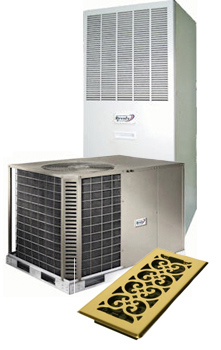
- Package HVAC units: around 10 to 16 years
- Mini-split systems: about 10 to 16 years
- Window air conditioners: about 5 to 8 years
These numbers do not mean a system needs to be replaced the minute it reaches them. They do mean it is smart to start watching performance a little more closely.
Ductwork and Ventilation
Ductwork often lasts much longer than the equipment itself, sometimes 25 to 70 years depending on the material. But that does not mean it stays in good working shape the whole time. Damaged, loose, or poorly insulated ducts can affect airflow long before the duct material is fully worn out.
Ventilation parts also age faster than many people expect. Bathroom exhaust fans usually last about 9 to 12 years. Ceiling fans often last 6 to 10 years before the motor starts slowing down or getting noisy.
Signs a System Is Aging
Older HVAC systems usually give some warning. You may notice weaker airflow, uneven temperatures from room to room, longer run times, or higher energy bills. Those signs often show up before a full breakdown.
Changing filters on schedule and having the system checked regularly can help these mobile home components last longer and can help you catch a worn part before you lose heat or cooling altogether.
Plumbing Systems and Water Fixtures
Plumbing gets used every day without much thought until something leaks, clogs, or stops working right. That is part of why it is worth tracking. A small plumbing problem can cause a surprising amount of damage if it goes unnoticed.
How Long Plumbing Pipes Usually Last
Many common pipe materials last for decades. Typical ranges include:
- PEX piping: around 40 to 50 years
- Copper piping: about 50 to 80 years
- PVC piping: around 50 to 80 years
- ABS piping: around 50 to 80 years
Those are good planning numbers, but local conditions matter. Freezing temperatures, hard water, poor repairs, and movement around the home can all affect how long plumbing holds up.
Water Heaters
Water heaters are one of the most common big-ticket plumbing replacements. Standard tank water heaters often last 10 to 20 years. Tankless units usually last closer to 20 years.
Sediment buildup inside the tank is one of the main reasons older heaters lose efficiency and wear out. Flushing the tank from time to time can help. If a water heater starts making noise, heating slowly, or showing rust, it may be getting close to the end of its service life.
Plumbing Fixtures and Toilets
Fixtures wear down from constant use. Faucets typically last 15 to 25 years. Bathtubs may last 10 to 50 years depending on the material. Fiberglass tub and shower units are often on the shorter end of that range, usually around 10 to 20 years.
Toilet bowls can last for decades, but the working parts inside the tank do not. Fill valves and flappers often need replacement every 5 to 10 years.
A small drip under a sink or around a toilet may not seem urgent at first, but that is how damage to the flooring and subfloor often starts. Keeping an eye on these mobile home components can save you from a much bigger repair later.
Electrical System Lifespan in a Mobile Home
A lot of electrical parts have a long service life, but that does not mean they should be ignored. Some electrical issues build slowly and show up as nuisance problems before they become safety problems.
Breakers, Switches, and Outlets
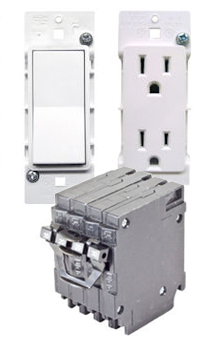
Circuit breakers usually last around 30 to 40 years. Wall switches often last about the same. GFCI outlets generally need replacement every 15 to 25 years.
These mobile home parts may not give warnings before they fail. A switch might feel loose. An outlet may stop holding a plug tightly. A breaker may start tripping more often than it used to.
Lighting and Wiring
Interior light fixtures can last around 40 to 50 years. Exterior fixtures usually fall in the 25 to 45 year range because they deal with weather, moisture, and sun.
Electrical wiring itself can last decades. Wire insulation may hold up for 50 to 80 years depending on the material and conditions around it.
Safety Devices
Smoke detectors should be replaced every 10 years. Carbon monoxide detectors usually last about 5 to 10 years. These are not one-time installs. They need to be replaced on schedule.
If you notice flickering lights, warm outlets, or breakers that trip more than they should, do not brush it off. Watching these mobile home components helps protect both your home and the people in it.
Windows, Doors, and Exterior Materials
Exterior parts do more than affect how a home looks. They help control drafts, moisture, and energy loss. When they start wearing out, comfort usually changes first.
Windows
Vinyl windows usually last 20 to 40 years. Aluminum windows often last 15 to 30 years. Double-pane insulated glass units tend to last about 10 to 20 years before seal failure becomes more likely.
A failed seal often shows up as fog or condensation between the panes. Drafts may also become more noticeable as the window ages.
Doors
Exterior doors often last for many decades depending on material. Steel doors may last 30 to 80 years. Fiberglass doors often fall into a similar range. Screen doors and sliding glass doors usually last about 20 to 30 years.
In many cases, the door itself is still usable while the hardware, threshold, or weatherstripping is what needs work.
Siding, Caulking, and Paint
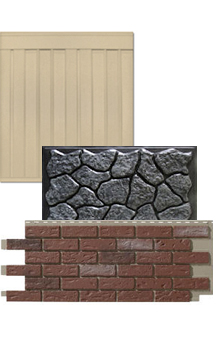
Vinyl siding often lasts 25 to 50 years. Aluminum siding may last 25 to 45 years. Engineered wood siding can last 50 years or longer when maintained properly.
Caulking around windows and siding joints usually needs renewal every 7 to 10 years. Exterior paint often follows a similar schedule. These details may seem small, but they help protect other mobile home components from water and air leaks.
Interior Cabinets, Surfaces, and Fixtures
Interior finishes usually last longer than mechanical systems, but they still show wear over time, especially where moisture is involved.
Cabinets and Storage
Kitchen and bathroom cabinets often last 30 to 60 years depending on materials and exposure to water. Age alone is not usually what shortens their life. Moisture is. A slow leak under a sink can do more damage than years of normal use.
Countertops and Surfaces
Laminate countertops often last 15 to 40 years. Tile and stone surfaces may last 50 years or longer. Seams, edges, and sink cutouts tend to be the first areas to show wear.
Paint and Interior Wear
Interior paint often lasts 10 to 15 years before repainting makes sense. Interior caulking around tubs, sinks, and trim usually needs renewal every 7 to 15 years.
These mobile home components often wear down gradually. Swelling, loose hardware, peeling, and water staining are usually the first signs that something needs attention.
Exterior Steps, Decks, and Access Areas
Entry points get used hard. Sun, rain, and daily traffic all wear them down over time. That makes them worth checking regularly, not just when something feels loose.
Exterior Steps
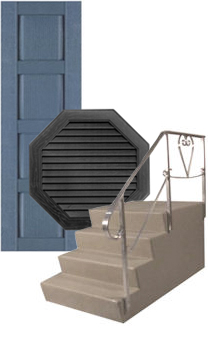
Wood exterior steps often last 15 to 35 years depending on upkeep and weather exposure. Concrete or steel steps can last 50 years or longer. Fiberglass steps are also a common choice for mobile homes because they hold up well against moisture and changing weather. Unlike wood, fiberglass does not rot or warp, and it usually needs very little upkeep. In most cases, fiberglass steps can last 25 to 40 years depending on installation, exposure, and daily use.
Even when the material itself still has life left, safety can become an issue sooner. Loose railings, rust, split boards, cracks, or shifting are all signs that it is time to take a closer look.
Decks and Porches
Wood decking usually lasts 10 to 20 years. Composite decking often lasts 20 to 30 years. Structural framing beneath decks often lasts around 20 to 30 years when it stays protected from moisture.
These mobile home components matter because they affect both safety and everyday use. If steps or deck boards start feeling unstable, that repair should move up the list.
Mobile Home Component Lifespan Comparison
Below is a quick reference showing the typical lifespan ranges for many common mobile home components discussed above. Actual lifespan can vary depending on weather, maintenance habits, and how heavily each part is used.
| Component | Average Lifespan |
|---|---|
| Window Air Conditioner | 5–8 years |
| Carbon Monoxide Detectors | 5–10 years |
| Toilet Tank Parts | 5–10 years |
| Ceiling Fan | 6–10 years |
| Interior Caulk | 7–15 years |
| Bathroom Exhaust Fan | 9–12 years |
| Interior Paint | 10–15 years |
| Package HVAC Unit | 10–16 years |
| Mini-Split System | 10–16 years |
| Fiberglass Tub or Shower | 10–20 years |
| Double-Pane Window Glass | 10–20 years |
| Tank Water Heater | 10–20 years |
| Wood Decking | 10–20 years |
| Gas Furnace | 15–22 years |
| Electric Furnace | 18–24 years |
| Faucets | 15–25 years |
| GFCI Outlets | 15–25 years |
| Aluminum Windows | 15–30 years |
| Screen Doors | 20–30 years |
| Sliding Glass Doors | 20–30 years |
| Fiberglass Steps | 20–40 years |
| Vinyl Windows | 20–40 years |
| Laminate Countertops | 15–40 years |
| Vinyl Siding | 25–50 years |
| Metal Roof | 30–50 years |
| Exterior Steel or Fiberglass Doors | 30–80 years |
Using Lifespan Estimates to Plan Mobile Home Maintenance
Lifespan estimates work best as planning tools. They help you look at the home system by system instead of waiting for trouble to show up on its own.
Start with the larger items. Roof. HVAC. Water heater. Windows. Exterior doors. Then move into the smaller working parts like fans, detectors, fixtures, and sealants.
From there, compare the age of each part with its condition. A part may still work but show signs that it is getting close. Rust, leaks, weak airflow, repeated repairs, or sticking parts all tell you something.
Regular upkeep can also buy you more time. Cleaning gutters, checking roof sealant, replacing filters, and fixing small leaks early can help mobile home components last longer than they otherwise would.
Every manufactured home ages a little differently. Climate, upkeep, and use all shape how long each system holds up. These lifespan ranges are not exact, but they give you a solid place to start.
Keeping Your Mobile Home in Good Working Order
Staying aware of the age and condition of mobile home components helps make repairs more manageable. You do not have to guess what may be coming next, and you are less likely to get hit with several surprise repairs at once.
A little planning goes a long way. When you know which systems are older, which ones have started showing wear, and which mobile home parts tend to age out first, it becomes easier to decide what to inspect, what to repair, and what to budget for next.
When the time comes to replace worn parts, Mobile Home Parts Store has the parts and supplies you need to keep your mobile home in good shape for years to come.
Tags: maintenance, manufacture home, mobile home, mobile home components, mobile home repair

