 SIGN-UP FOR THE MHPS NEWSLETTER!










Quick Overview
Weather changes can cause soil under mobile homes to expand, shrink, freeze, or wash away. When the ground shifts, foundation supports may move, leading to uneven floors, sticking doors, or skirting damage. Regular inspections, good drainage, and stable soil conditions help keep mobile home foundations level throughout the year.
Summarize full blog with:
Weather affects every part of a home, but the ground underneath it often takes the biggest hit. Mobile home foundations depend on stable soil to keep the home level and supported. When soil expands, shrinks, freezes, or washes away, the supports under the home can shift.
You might first notice the effects inside. Floors feel uneven. A door starts sticking. A window that once opened easily now needs a push. Small changes like these often trace back to movement under the home.
Seasonal weather patterns are one of the most common reasons support systems move over time. Heat dries soil and causes shrinkage. Heavy rain softens the ground and weakens support points. Winter freeze cycles push the soil upward before it settles again.
Understanding how weather affects mobile home foundations helps you catch problems early and fix them before the damage spreads.
Why Weather Affects Mobile Home Foundations
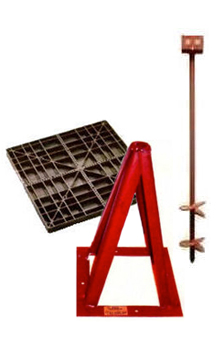
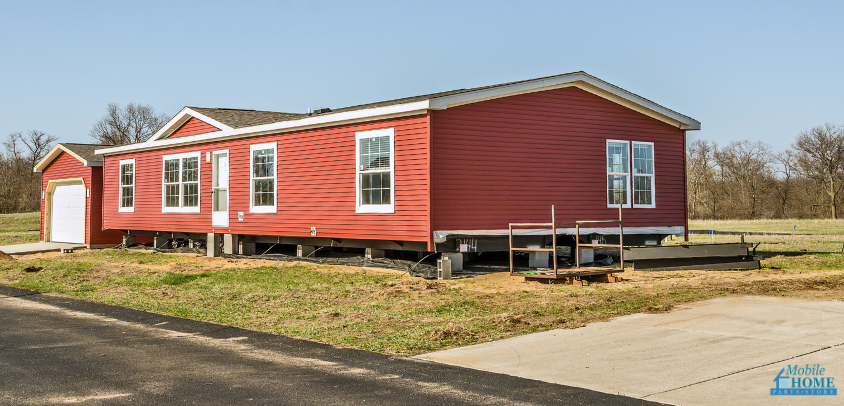
Most homes rely on deep footings or a continuous concrete foundation. Manufactured housing works differently. Many mobile home foundations rely on piers, blocks, beams, footing pads, and anchors placed directly on or near the soil. That means the ground under the home is a major part of the support system.
Each support point depends on stable ground to carry weight evenly. When soil changes due to weather, those supports can move slightly out of position. Trouble usually starts when the ground gets too wet, dries out too much, or freezes and lifts unevenly.
How Soil Movement Starts Showing Up
When soil shifts, parts of the home may settle at different rates. One side might drop slightly while another stays in place. That uneven support often leads to the early warning signs people notice inside.
Common symptoms include:
- Sloping or soft floors
- Cracks in walls or ceiling seams
- Doors that do not close properly
- Windows that stick or shift out of alignment
- Skirting that no longer sits evenly
These signs usually develop slowly. At first, the movement may be small. One room may feel a little off, or one section of skirting may no longer line up the way it used to.
Summer Heat and Dry Soil
Hot weather can change soil conditions faster than many expect. During long stretches of heat, the ground begins to lose moisture. As soil dries out, it shrinks.
Clay soil shrinks the most. When that happens, gaps can form around foundation pads or blocks. The weight of the home may then shift slightly toward other supports. In some yards, you can actually see the soil crack or pull back near the skirting. One side of the home may stay shaded and hold moisture longer, while another side bakes in the sun all day and dries much faster.
What Dry Conditions Look Like Around the Home
Over time, this type of movement can create uneven settling under mobile home foundations. Signs often appear during or after very hot weather. You may notice visible gaps between soil and pier blocks, sagging sections of floor, new cracks forming around door frames or walls, or skirting panels separating from the ground.
How to Reduce Summer Soil Movement
During dry weather, try to keep soil moisture more consistent.
Helpful steps include:
- Monitoring the ground around support areas during drought conditions
- Water the soil lightly during long dry periods if shrinkage appears.
- Avoid soaking concentrated areas that could create soft spots.
- Using landscaping, mulch, or shade to reduce extreme drying
You do not want to soak the area. You want to keep the soil from swinging too far between dry and saturated. Those swings put more stress on the home’s support system.
Heavy Rain, Storm Damage, and Mobile Home Foundations
Storms bring the opposite problem. Instead of dry soil shrinking away from supports, heavy rain saturates the ground.
Wet soil becomes soft. When the ground loses firmness, it may not support the home evenly. In some cases, flowing water washes soil away from foundation pads or pier blocks. One hard rain can soften the soil, expose support pads, or leave one part of the site far wetter than the rest.
This can happen quickly after strong storms or build over several seasons of poor drainage.
Signs that storms are affecting mobile home foundations include:
- Muddy or soft ground beneath the home
- Standing water under the structure
- Leaning or shifted pier blocks
- Low spots forming around the perimeter
- Skirting damage after severe weather
- Fresh washout around pads or supports
Drainage Fixes That Help
Drainage plays a major role in preventing these issues.
Steps that help protect the foundation include:
- Directing roof water away with gutters and downspouts
- Extending downspouts away from the base of the home
- Grading soil so water flows away from the structure.
- Checking for washout around foundation pads and piers
- Repairing damaged skirting that allows water under the home
It also helps to inspect more than once after a major storm. Check right away if it is safe, then check again a few days later if the site has stayed soaked. Storm-related settling can continue after the rain stops.
Flooding and Long-Term Moisture Exposure
Flooding creates a different level of risk. Instead of temporary moisture, floodwater can remove the soil that supports parts of the home.
Moving water may erode areas around piers or footing pads. When the ground washes out, the supports above it can shift or tilt. Flooding can also affect materials beneath the home. Long exposure to water may lead to rust on metal supports or damage to insulation and underbelly coverings.
After flooding, inspect the support system for these signs:
- Displaced blocks or pier pads
- Rust on metal supports
- Standing water trapped under the home
- Sagging or soft sections of flooring
- Damaged skirting panels
Once water recedes, it is important to check the entire support system. Soil conditions may have changed even if the home still appears level. If a washout has left a pad partly exposed or unsupported on one side, that needs to be corrected before any leveling work is done.
Drying the area under the home is also important. Trapped moisture can lead to more wear, especially if insulation, belly material, or support components stay damp.
Winter Freezing and Frost Heave
Cold weather creates another kind of soil movement. When moisture in the ground freezes, it expands. This process can push the foundation supports upward.
This movement is often called frost heave. As temperatures warm and the ground thaws, the soil settles again. It rarely settles exactly the same way. That is how one part of the home can shift while another stays put.
Because of that shift, mobile home foundations can end up slightly uneven after winter. In many homes, the first sign is not outside. It is a door that stops lining up right, a room that suddenly feels off, or a section of floor that no longer feels level.
Common winter-related signs include:
- Doors and windows that stick after a freeze
- Cracks forming in skirting panels
- Changes in floor level between rooms
- Plumbing lines under the home are shifting slightly.
- Stress on utility connections beneath the home
A lot of winter trouble starts with water that was already there in late fall. If one side stayed wet longer than the rest, that side has a higher chance of freezing hard.
How to Lower Winter Risk
Preventing water buildup around the foundation helps reduce frost-related movement.
Steps that improve winter stability include:
- Maintaining good drainage around the home
- Repairing skirting to reduce cold air exposure beneath the structure
- Insulating vulnerable areas under the home
- Inspecting foundation pads in frost-prone regions
After winter ends, check supports again. Some movement becomes easier to spot once the ground fully thaws. Inspecting after a thaw, not just during a freeze, gives you a better sense of whether the foundation stayed stable through winter.
Soil Expansion and Contraction Over Time
Seasonal weather often repeats the same pattern every year. Soil gets wet and expands. Dry weather follows, and the soil contracts again.
This cycle can place ongoing pressure on mobile home foundations.
Clay-heavy soil tends to show the largest movement. When it absorbs water, it swells. When moisture disappears, it shrinks. Over time, these repeated changes may cause settling that keeps coming back in the same areas.
Signs of long-term soil movement include:
- Cracks that appear again after repairs
- Recurring door alignment problems
- Uneven floors returning after leveling
- Support blocks that need adjustment more often than expected
Keeping soil conditions as stable as possible helps reduce these effects.
Helpful maintenance steps include:
- Controlling water runoff around the home
- Repairing damaged skirting panels
- Watching nearby trees that draw moisture from the soil
- Monitoring the ground during extreme weather conditions
You are not trying to stop every bit of movement. You are trying to reduce the repeated expansion and shrinkage that puts long-term stress on mobile home foundations.
Warning Signs of Mobile Home Foundation Problems
Foundation issues often appear inside the home before they are visible underneath.
Pay attention to changes like sloping or soft floors, cracks along wall seams or ceilings, doors that swing open or refuse to latch, windows that stick or shift out of alignment, skirting that bows or separates, visible gaps near support areas, leaning foundation blocks, or low areas where soil has washed away.
Under the home, signs may include standing water beneath the structure, rust forming on metal supports, displaced pier pads, or damaged insulation and belly wrap.
One symptom alone does not always signal major trouble. When several signs start showing up together, it usually points to movement affecting mobile home foundations. That is the point where a closer look underneath and around the home matters most.
How to Fix Seasonal Mobile Home Foundation Problems
Seasonal weather will always affect the ground. What matters most is how quickly you respond to early signs of movement.
Most weather-related foundation trouble comes back to soil movement, water management, or both. In many cases, the site needs attention before any leveling work will hold.
Start With Drainage and Site Conditions
Preventive maintenance can reduce many problems.
Steps that help protect foundations include:
- Maintaining gutters and downspouts
- Improving drainage around the home
- Repairing the skirting to protect the area underneath
- Monitoring soil during heatwaves or drought
- Inspecting support systems after severe weather
Repair the Supports and Protect the Area Under the Home
When movement has already occurred, additional repairs may be needed.
These can include:
- Re-leveling the home to restore even support
- Replacing damaged pier pads or blocks
- Stabilizing washed-out areas before making support adjustments
- Correcting low spots or runoff paths around the perimeter
- Repairing components affected by water damage
Skirting matters here too. It does more than finish the look of the home. It helps protect the area underneath from repeated weather swings. Replacing cracked or loose panels, securing sections that have pulled away, and checking for excess moisture below the home all help create a more stable space beneath the home.
Homes that experience repeated settling may require adjustments to both the support system and the soil conditions around it. Addressing both areas helps prevent the same issue from returning.
Protecting Your Mobile Home Foundation Year-Round
Seasonal weather patterns are unavoidable. What makes the difference is regular inspection and timely maintenance.
Small changes in soil conditions often start slowly. Catching them early prevents larger repairs later.
Keeping mobile home foundations stable often comes down to simple habits. Spring usually reveals standing water, soft soil, or washout near supports. In summer, watch for dry gaps in the ground and any floor shifts. Fall is a good time to check skirting, clear gutters, and inspect low drainage spots. In winter, check again after hard freezes and thaws.
You are not trying to stop every bit of movement. You are trying to catch changes before they spread farther through the home.
Keep water moving away from the home. Watch how the ground behaves throughout the year. Repair damaged skirting and support components when they show signs of wear.
When it is time to replace skirting, improve drainage, or handle foundation-related repairs, Mobile Home Parts Store offers the parts and products needed to keep your home properly supported through every season.
Tags: anchors, manufacture home, mobile home, mobile home foundation, mobile home set-up supplies

