 SIGN-UP FOR THE MHPS NEWSLETTER!








Quick Overview
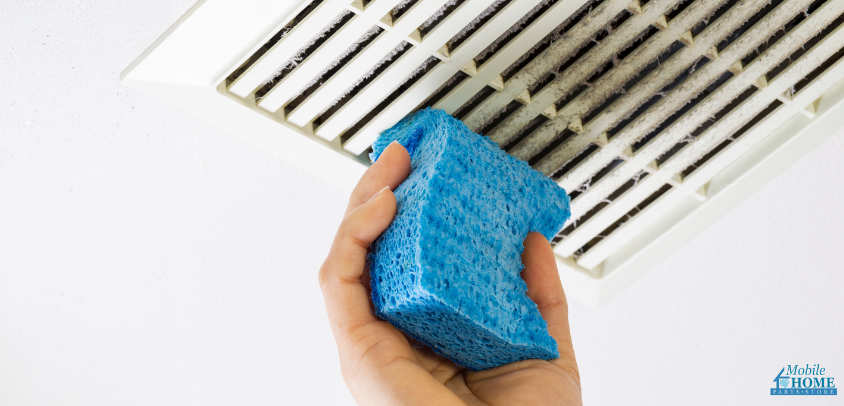
Cleaning a bathroom exhaust vent helps improve airflow, reduce lingering moisture, and ease strain on the fan motor. This step-by-step article covers the tools you need, how to clean the cover and housing, and when it may be time to replace the fan instead.
Summarize full blog with:
Your bathroom exhaust vent is probably one of those things you do not think about much until it starts acting up. For a while, it is easy to ignore. Then the fan gets louder, steam hangs around longer, and it becomes pretty clear it is not moving air like it should.
Dust and lint build up over time, and once airflow drops off, the difference is hard to miss. But with a few basic tools and a little time, you can clean your bathroom exhaust fan and help it get back to doing its job.
How a Bathroom Exhaust Vent Helps Control Moisture
Bathroom ventilation does more work than people usually give it credit for. Every hot shower sends a lot of moisture into the air, and if that moisture does not get pulled out of the room, it starts settling on the ceiling, walls, trim, and anywhere else it can land. Over time, that can lead to peeling paint, mildew, and that damp feeling that seems to stick around.
When your exhaust fan is clean and moving air the way it should, a lot of that humidity gets pushed out before it has time to hang around. Once dust starts building up on the cover or inside the fan housing, airflow drops off. The fan may still run, but it is not doing the same job.
That can lead to a few problems over time:
- Mirrors stay fogged long after a shower
- Moisture collecting on ceilings and walls
- Peeling paint or soft spots around seams and joints
- A damp or stale smell that does not seem to leave
- A higher chance of mold and mildew
Dust buildup can also make the fan motor work harder than it should. That extra strain often shows up as more noise, weaker airflow, or a fan that just seems tired.
Cleaning the bathroom exhaust vent once or twice a year can help prevent those issues from piling up.
Signs Your Bathroom Exhaust Vent Needs Cleaning
A lot of the time, you do not notice the vent until something feels off. Maybe it sounds rougher than usual. Maybe the bathroom stays humid longer than it used to. Those small changes are often the first clue that dust has started building up inside the unit.
A few common signs usually show up when a bathroom exhaust vent is due for cleaning:
- The fan sounds louder or harsher than it used to
- Steam hangs around longer after a shower.
- Mirrors stay fogged for several minutes.
- Dust is visible on the vent cover.
- Airflow feels weak while the fan is running.
Dust and lint build up slowly, so this is not always something that changes overnight. Usually, it sneaks up on you. If the cover already looks dusty, there is a good chance the inside of the fan housing needs attention, too.
A simple cleaning can clear that buildup out and help the fan move air more freely again.
Tools to Clean a Bathroom Exhaust Vent
This is usually a pretty straightforward job, and most of what you need is probably already around the house. Getting everything together first makes it easier once you get started.
You will want:
- Step stool or small ladder
- Screwdriver
- Vacuum with hose or brush attachment
- Soft bristle brush or old toothbrush
- Microfiber cloth
- Dish soap
- Warm water
- Eye protection
- Dust mask
It also helps to put down a towel or drop cloth before you start. Once that cover comes off, dust has a way of falling exactly where you do not want it.
Before cleaning any bathroom exhaust vent, turn off the power to the fan. Switch it off at the wall, then shut off the breaker too if you want the extra peace of mind. That way, you are not working around a fan that could suddenly kick on while your hands are near the motor or wiring.
Since you are working overhead, it is also worth wearing eye protection and a dust mask. It is a small thing, but it makes the whole job a lot less irritating.
Step 1: Remove the Bathroom Exhaust Vent Cover
Start by setting your ladder or stool on a flat, stable surface. Once you are in position, reach up and gently pull down on the cover of the bathroom exhaust fan.
A lot of vent covers are held in place with spring clips. If yours has them, pull the cover down enough to see the clips, then pinch them together so they can slide out through the ceiling opening.
Some covers are attached with screws instead. If that is what you have, remove them carefully with a screwdriver and lower the cover slowly.
Do not be surprised if a little dust falls once the cover comes loose. Honestly, that is usually the moment the vent tells on itself.
Set the cover aside so you can wash it in the next step.
Step 2: Clean the Vent Cover
The vent cover tends to catch a lot of the dust passing through the fan, so even a basic cleaning here can make a difference. It also helps the vent look a whole lot better once everything is back in place.
Fill a sink or bucket with warm water and add a little dish soap. Let the cover soak for a few minutes to loosen up the dust and grime.
Then use a soft brush or an old toothbrush to clean between the slats or openings. That is usually where lint likes to settle in and stay put.
Once it looks clean, rinse it with fresh water and dry it with a towel. After that, set it aside and let it finish air drying while you work on the inside of the fan.
If your exhaust fan has a light or any electronic parts built into the cover, skip the soaking. Wipe those parts down with a damp microfiber cloth instead, then dry them carefully.
Step 3: Vacuum the Fan Housing
With the cover out of the way, you can finally see inside the bathroom exhaust vent. This is where a lot of the hidden dust likes to collect, especially around the fan blades and along the inside edges of the housing.
Use a brush attachment on your vacuum hose and start removing as much loose dust as you can. Move slowly and try to work around the fan blades, motor housing, and corners where debris tends to gather.
The brush attachment helps loosen the dust while the vacuum pulls it away. If you have a crevice tool, that can also help with tighter spots.
If the fan blades have a heavier layer of buildup on them, use a soft brush to loosen it first, then vacuum again.
Just take your time here. You do not want to tug on wires or jam tools too far into the housing.
Cleaning out this part of the bathroom exhaust vent helps the fan blades spin more easily, which usually means better airflow and less strain on the motor.
Step 4: Wipe Down the Housing and Inspect the Fan
After vacuuming, there is usually still a light layer of dust left behind. That is normal. Use a dry microfiber cloth to wipe down the parts of the exhaust fan you can safely reach.
Focus on the inside edges of the housing and around the fan opening. Those spots tend to hold onto dust even after vacuuming.
It is best to skip water or spray cleaners inside the housing. Since you are working around electrical parts, dry cleaning is the safer route.
While you are there, take a quick look around and check for anything that seems off.
Look for:
- Loose screws
- Damaged fan blades
- Cracks in the housing
- Rust or discoloration
Sometimes a cleaning turns into a good chance to catch a problem early. A loose part or worn blade is a lot easier to deal with before the fan stops working altogether.
Step 5: Reinstall the Bathroom Exhaust Vent Cover
Once the cover is fully dry, you can put it back on the exhaust fan.
If your cover uses spring clips, pinch them together and guide them back into the ceiling opening. Once they are in place, release them and let the cover settle back against the ceiling.
If the cover was attached with screws, reinstall those and tighten them just enough to hold the cover securely. There is no need to overdo it.
After everything is back in place, restore power at the breaker and turn the fan on.
At that point, you should notice a difference. In a lot of cases, the fan runs smoother, sounds quieter, and does a better job clearing out humidity.
How Often to Clean an Exhaust Fan
This is a good job to take care of every 6 to 12 months. It is easy to forget about it, especially when the fan is still turning on and seems fine. But once dust starts building up, the difference usually shows up faster than you would think.
If your bathroom gets used a lot, cleaning it closer to twice a year usually makes more sense.
Should You Repair or Replace a Bathroom Exhaust Vent?
Regular cleaning helps a lot, but some fans do get to a point where cleaning is not going to fix the problem.
It may be time for a new fan if:
- It still sounds loud after a thorough cleaning.
- There is damage to the fan blades.
- It is still not clearing out steam very well.
Older fans can also start losing efficiency over time. They may still run, but not well enough to keep moisture from hanging around.
Staying Ahead of Ventilation Problems
Cleaning an exhaust fan is one of those jobs that is easy to put off because it is mostly out of sight. Dust builds up slowly, so the problem usually does not feel obvious until the fan gets louder, airflow drops, or the bathroom starts staying damp longer than it should.
A good cleaning can make a real difference. It helps the fan move air better, takes some strain off the motor, and cuts down on the moisture that can lead to mildew, peeling paint, and that damp bathroom feeling that never quite goes away.
If your bathroom exhaust vent cover is cracked, the motor is worn out, or the whole unit is past the point where cleaning will help, replacement parts may be the next step. Mobile Home Parts Store carries bathroom exhaust fans, vent covers, and other ventilation components made for manufactured homes, so you can get things working the way they should again.
Tags: bathroom exhaust fan, bathroom ventilation, exhaust fans, mobile home, spring cleaning

