 SIGN-UP FOR THE MHPS NEWSLETTER!








Quick Overview
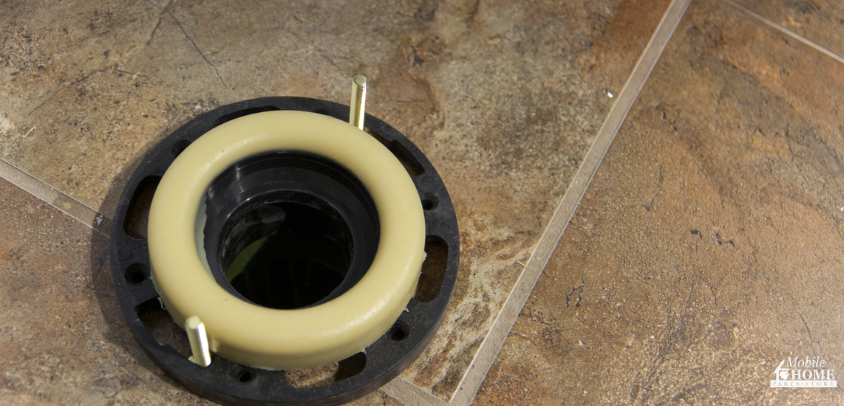
A toilet wax seal sits between the toilet and the floor flange, creating a watertight and airtight seal. When it fails, you may notice water around the base, sewer odors, or a toilet that shifts. Replace the seal anytime the toilet is removed or when these signs appear. Catching the issue early helps prevent damage to the floor and keeps the toilet properly secured.
Summarize full blog with:
Water around the base of a toilet usually means something has stopped sealing the way it should. Sometimes the cause is easy to spot. Other times, you end up looking a little closer at what is sitting underneath the fixture. In many cases, it traces back to the toilet wax seal.
That seal sits out of sight, but it is doing work every time the toilet is used. It keeps water moving where it should and keeps sewer gases from coming back up into the bathroom. When it fails, the signs tend to show up slowly at first, then start happening more often.
Understanding how that seal works and when it needs to be replaced helps you deal with the issue before it spreads into the floor or turns into a larger repair.
What a Toilet Wax Ring Actually Does
A toilet wax ring is the seal between the bottom of the toilet and the flange attached to the floor. The flange connects the toilet to the drain pipe and helps hold it in place.
When the toilet is set down, the wax compresses. It fills in any small gaps between the toilet and the flange. That compression creates a tight seal that keeps water from leaking out and keeps odors from coming back in.
The material matters here. Wax is soft enough to press into uneven spots, but firm enough to stay in place once it is set. Once it is compressed, it does not move again.
That is why the toilet wax seal works well when the toilet stays stable. It forms once and then just sits there doing its job.
How the Seal Holds Up Over Time
A properly installed wax ring can last for years. In many cases, it lasts as long as the toilet itself. It is not something that wears down on its own.
Most problems start when something around it shifts or changes.
Movement is a big one. If the toilet shifts even a little over time, the seal can break. Once that happens, the wax does not settle back into place. The seal is no longer tight, and water or air can pass through.
Installation matters too. If the toilet was not set evenly or the flange height was off, the wax may not have compressed the way it should from the start.
Flooring changes can also play into it. If the finished floor sits higher or lower than it used to, the wax ring may not be thick enough to fill the space.
Once the seal is compromised, the toilet wax seal is no longer doing what it was meant to do.
Signs the Toilet Wax Seal Is Failing
The wax ring is hidden, so you will not see it directly. What you will notice are the signs it leaves behind.
Water Around the Base
This is usually the first thing people notice. After flushing, you may see water collecting around the bottom of the toilet.
It may not happen every time at first. A small amount of water can show up and then dry without much thought. Over time, it usually starts happening more often.
Not every leak points to the wax ring, but it is one of the first things worth checking.
Sewer Odors That Keep Coming Back
A properly sealed toilet blocks gases from the drain. If that seal breaks, those odors can start to come through.
If you notice a smell that does not go away with cleaning, it can be a sign that the toilet wax seal is no longer airtight and may be allowing sewer gases into the room.
A Toilet That Moves
A toilet should sit flat and stable on the floor. If it rocks or shifts when you sit on it, something is off.
That movement can break the seal underneath. In some cases, the movement caused the failure. In others, the failed seal allowed the toilet to loosen over time.
Either way, those two issues tend to show up together.
Changes in the Floor Around the Toilet
Leaks do not always stay on the surface. Water can work its way under the flooring and start affecting what is underneath.
You might notice:
- Soft spots near the base
- Slight discoloration
- Flooring that feels uneven
These signs point to moisture getting where it should not be, often because the toilet wax seal is no longer holding.
When You Should Replace a Toilet Wax Ring
There is no set timeline for replacing a wax ring. It usually comes down to what you are seeing and what has been done recently.
When There Are Clear Signs of Failure
If you are seeing water at the base, noticing odors, or dealing with a loose toilet, the seal has likely been compromised. At that point, replacing the wax ring is part of fixing the issue.
Anytime the Toilet Is Removed
This is one of the most important things to keep in mind.
Once a wax ring has been compressed, it cannot be reused. If the toilet is lifted for any reason, the old ring should be replaced before it goes back down.
That applies whether you are:
- Repairing flooring
- Replacing bolts
- Installing a new toilet
- Checking the flange
A new toilet wax seal helps make sure the connection is tight again.
When Installing a New Toilet
A new installation always calls for a new wax ring. It gives the toilet a fresh seal from the start and helps avoid leaks showing up right away.
When Addressing Flange or Floor Issues
If the flange is damaged or the floor around it has been repaired, the wax ring needs to be replaced as part of that process.
The seal depends on a stable surface. If the structure underneath changes, the old wax ring will not perform the way it should.
Choosing the Right Wax Ring
Not all wax rings are the same, and the right choice depends on how the toilet and flange sit together.
Standard vs Extra-Thick Rings
A standard wax ring works when the flange sits level with the finished floor.
If the flange sits lower than the floor, an extra-thick ring helps fill that gap. Without that added thickness, the seal may not compress enough to hold.
Getting the Size Right
Most wax rings are designed for either a 3-inch or 4-inch drain opening. Matching the size to the toilet outlet helps the seal line up correctly.
Avoid Stacking Rings
Stacking two wax rings might seem like a way to make up for height differences, but it often leads to uneven compression.
A better fix is to use a thicker ring or correct the flange height so the seal forms evenly.
Wax vs Wax-Free Options
Wax-free seals are available and can be easier to handle during installation. They can also be repositioned in some cases.
Wax rings are still the more common choice because they conform well to uneven surfaces and tend to hold up well when installed correctly.
Each option has its place, but the goal stays the same. The toilet wax seal needs to form a tight connection that holds over time.
What to Check Before Installing a New Wax Ring
Replacing the wax ring is a good time to look at the surrounding parts as well. Problems in those areas can affect how well the new seal performs.
Inspect the Flange
Check for cracks, rust, or movement. The flange should be secure and sit at the right height relative to the floor.
If the flange is damaged or too low, the seal may fail again even with a new ring.
Replace the Mounting Bolts
The bolts that secure the toilet can wear down or corrode over time. Replacing them while the toilet is removed helps keep everything anchored properly.
Look at the Floor Condition
If there has been a leak, the floor around the toilet may have taken on moisture.
Press gently around the area. If it feels soft or unstable, the issue may go beyond the wax ring.
A solid surface helps the toilet stay level, which helps the toilet wax seal hold.
Check the Water Supply Line
With the toilet disconnected, it is a good time to look at the supply line. If it shows signs of wear, replacing it now can save you from dealing with another leak later.
A Small Seal That Carries a Lot of Responsibility
The wax ring under a toilet does not get much attention until something goes wrong. When it is working, it stays out of the way. When it fails, the signs tend to show up in ways that are hard to ignore.
Water at the base, movement underfoot, or odors that do not go away often point back to that seal.
Taking care of the issue early can help prevent more involved repairs later, especially if moisture has had time to reach the floor underneath.
If you are dealing with signs of a worn or failed seal, replacing the wax ring, checking the flange, and securing the toilet properly can get things back where they should be.
If you need replacement wax rings, mounting hardware, or other toilet repair parts, Mobile Home Parts Store carries options that can help you finish the repair with more confidence.
Tags: mobile home toilet, toilet, toilet wax seal

