 SIGN-UP FOR THE MHPS NEWSLETTER!








Quick Overview
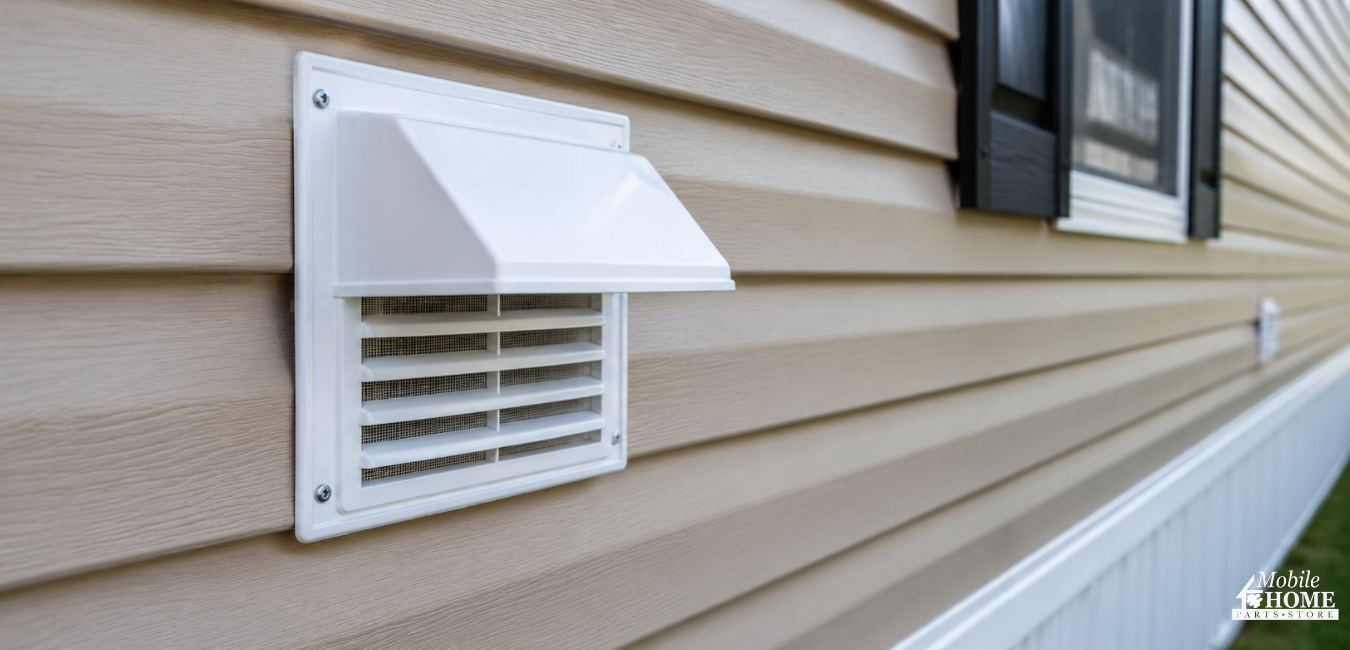
Mobile home vent covers regulate airflow into the crawl space beneath the home, which controls moisture and helps prevent bottom board and underbelly damage. Sizing follows a simple rule: 1 square foot of net free vent area for every 150 square feet of crawl space, or 1 per 300 if a vapor barrier is installed. Style options include louvered, foundation, and screened vents, with material choice affecting how well they hold up to weather and pests.
Mobile home vent covers control how much air moves through the crawl space under the home. The vents built into mobile home skirting do more work than most homeowners realize, which directly affects moisture levels, wood rot risk, and how well the bottom board holds up over time. Too little airflow traps moisture. Too much lets in cold air that drives up heating costs and gives pests an easy way in.
Getting the sizing, style, and installation right on mobile home vent covers is a small project with a real payoff for the health of everything under the floor.
Why Mobile Home Vent Covers Matter for Crawl Space Ventilation
The space beneath a mobile home traps ground moisture unless it has somewhere to go. Without adequate ventilation, that moisture works its way into the bottom board, insulation, and floor joists, creating the kind of slow, hidden damage that is far more expensive to fix than it would have been to prevent. Proper mobile home vent covers keep air moving through that space so moisture has an exit instead of settling in.
Sizing Mobile Home Vent Covers Correctly
The standard rule for crawl space ventilation is 1 square foot of net free vent area for every 150 square feet of crawl space floor area. If a vapor barrier covers the ground beneath the home, that ratio relaxes to 1 square foot per 300 square feet, since the vapor barrier is already doing some of the moisture-control work.
Net free area is not the same as the overall size of the vent cover. Louvers and screens block part of the opening, so a vent’s net free area is always smaller than its physical dimensions. Check the manufacturer’s net free area rating rather than assuming a bigger-looking vent automatically moves more air.
Mobile Home Vent Covers: Style Options
Louvered Vents
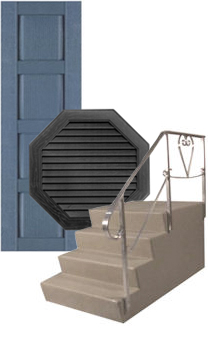
Louvered mobile home vent covers use angled slats that block direct rain while still allowing airflow. This is the most common style for exposed skirting locations that see weather directly.
Foundation Vents
Foundation-style vents sit flush with the skirting and often include an integrated screen to keep pests out while maintaining consistent airflow. These work well on both vinyl and metal skirting systems.
Adjustable and Closable Vents
Some vent covers include a slider or damper that lets you reduce airflow in winter and open it back up in warmer months. This can help in colder climates where a fully open vent all winter increases the risk of frozen pipes near the perimeter.
Material Considerations
Vinyl vent covers are the most common option, affordable and resistant to rust, though they can become brittle over many years of UV exposure. Aluminum vents cost more but hold up longer in high-sun climates and resist cracking. Whichever material you choose, confirm the screen mesh is fine enough to block rodents and insects without restricting airflow.
Installing Mobile Home Vent Covers
1. Measure the Existing Opening
Most skirting systems use a standard vent opening size, but always measure the existing cutout before ordering a replacement to avoid a mismatch.
2. Remove the Old Vent
Old vent covers are typically held in with screws or a snap-fit frame. Remove carefully to avoid damaging the surrounding skirting panel.
3. Check for Damage Around the Opening
Inspect the skirting around the vent opening for cracks or gaps before installing the new cover. This is a good time to address any skirting damage while the area is already exposed.
4. Install and Secure the New Vent
Set the new vent cover into the opening and secure it per the manufacturer’s mounting instructions, typically screws around the perimeter frame.
Maintaining Vent Covers Over Time
Check vent covers twice a year for debris blockage, damaged screens, or cracked louvers. A vent that has been crushed or knocked loose, common after mowing equipment or storm debris makes contact with skirting, should be replaced rather than left to let pests or excess moisture into the crawl space. For more on how crawl space moisture connects to bottom board and underbelly problems, see our guide on preventing mold growth underneath your mobile home.
Mobile Home Vent Covers FAQs
How many vent covers does a mobile home need?
This depends on total crawl space square footage. Use 1 square foot of net free vent area per 150 square feet of crawl space, or per 300 square feet if a vapor barrier is installed, then divide that total across your planned number of vents.
Should mobile home vents be open or closed in winter?
Adjustable vents can be partially closed in cold climates to reduce frozen pipe risk near the perimeter, but fully sealing crawl space ventilation year-round can trap moisture. Check local guidance, since climate affects the right approach.
What is net free area on a vent cover?
Net free area is the actual open space air can pass through, after accounting for louvers, screens, and frame material. It is always smaller than the vent’s overall physical size and is the number that matters for sizing calculations.
Can I replace a vent cover myself?
Yes, most replacements are a simple unscrew-and-swap project as long as the new vent matches the existing opening size.
What material lasts longest for mobile home vent covers?
Aluminum holds up better than vinyl in high-sun climates and resists cracking over time, though it costs more upfront. Vinyl is a reasonable choice for moderate climates and is the more budget-friendly option.
Correctly sized and installed mobile home vent covers are a small detail that protects a lot of what is underneath the home. Browse Mobile Home Parts Store’s skirting and vent cover selection to find the right fit.

