 SIGN-UP FOR THE MHPS NEWSLETTER!








Plumbing usually does its job quietly in the background. But when something goes wrong—like a slow drain or an odd smell—you notice fast.
One of the most common causes is something many people never think about: the plumbing trap. These small, curved pipes sit just under your sinks, tubs, and showers. They may look simple, but they’re your first line of defense against sewer gases and stubborn clogs.
Knowing how they work—and giving them a little care—can save you from bigger headaches later.
Plumbing Trap Basics – What They Are and Why They Matter
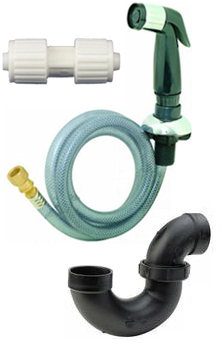
A plumbing trap is a U- or P-shaped pipe that always holds a small amount of water. That bit of water forms a seal between your home and the sewer line.
Here’s what that does for you:
- Blocks sewer gases from drifting into your home.
- Keeps odors away so drains stay fresh.
- Catches debris like hair and soap scum before it can move deeper into your pipes.
They don’t ask for much attention—but they play a big part in keeping your plumbing system clean, safe, and working well.
How Plumbing Traps Work – A Quick Look
Here’s what’s happening under the sink: water flows through the trap and out into the rest of your plumbing system, but some always stays behind in the curve.
That standing water acts like a barrier—blocking gases while still letting wastewater drain away.
Most homes use P-traps. Their shape, like a sideways “P,” lets them automatically refill after each use, so they’re always ready to do their job. It’s a simple design, but a reliable one.
Types of Plumbing Traps – What You Might Have at Home
Depending on the age of your plumbing, you might see a few different styles:
P-Traps
- Common in most modern homes.
- U-shaped, reliable, and easy to clean.
S-Traps
- The older design is shaped like an “S.”
- They can lose their water seal if too much water drains quickly.
- If you spot one, it’s worth upgrading during a renovation.
Bottle Traps
- Compact and space-saving.
- Often found under pedestal or wall-mounted sinks.
- Need more frequent cleaning because they hold less water.
Drum Traps
- Large, round traps are often found in older homes.
- Hold more water but collect debris easily and are harder to access.
Just knowing what you have can help you troubleshoot problems more confidently.
Common Problems with Plumbing Traps
Plumbing traps are low-maintenance, but they’re not entirely trouble-free.
Dry Traps
If a fixture isn’t used for weeks, the water inside can evaporate.That opens the door for sewer gases to escape.
Fix: Run water down the drains that are rarely used every few weeks. If you’ll be away for a while, add a splash of mineral oil to slow evaporation.
Clogs
Hair, grease, and soap scum can build up inside the bend.
Fix: Remove and rinse the trap or try a safe baking soda-and-vinegar flush.
Leaks
Seals wear out, and connections can loosen over time.
Fix: Tighten fittings or replace old gaskets. If leaks continue, it might be time for a new trap.
Catching minor issues early keeps them from turning into bigger repairs later.
Keeping Plumbing Traps in Good Shape
Taking care of plumbing traps doesn’t take much time—and it can save you from future problems.
A few simple habits help:
- Clean them once or twice a year to clear out buildup.
- Flush with hot water monthly or use a gentle baking soda-and-vinegar mix.
- Check for leaks around connections a few times a year.
- Keep them wet by running water through unused drains occasionally.
- Upgrade problem spots with self-sealing interceptors if traps dry out often.
These quick steps can keep your drains clear and your plumbing system running smoothly.
Why Caring About Plumbing Traps Pays Off
It’s easy to forget about plumbing traps. They’re out of sight, and when they’re working, you don’t notice them at all. But giving them just a little attention can save you from leaks, clogs, and those awful sewer smells that make you second-guess your whole plumbing system.
Once you know how they work and what to watch for, they’re simple to maintain. It’s the kind of low-effort, high-reward home care that just makes sense.
And if you ever do need to swap out an old trap or grab a few replacement gaskets, Mobile Home Parts Store has the plumbing supplies you’ll need to get the job done right—without turning it into a weekend-long project.
Tags: mobile home plumbing, P-trap, plumbing, plumbing traps

