 SIGN-UP FOR THE MHPS NEWSLETTER!







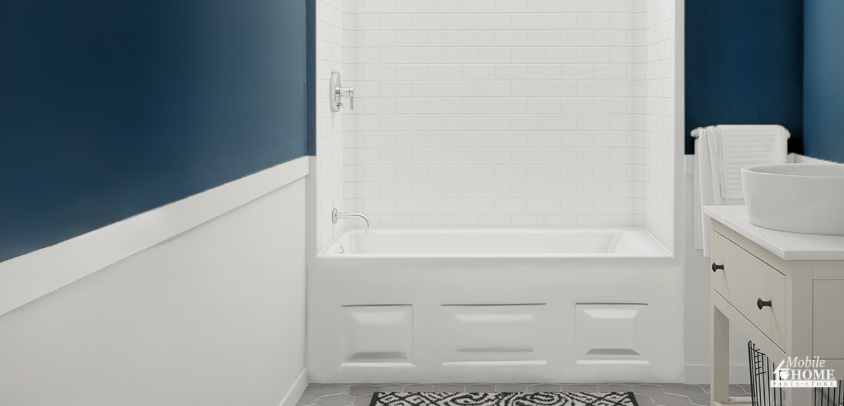
Upgrading your bathroom can make your entire home feel new again. And when it comes to replacing a tub in a mobile home, your choice of material makes a big difference in how it looks, feels, and lasts. Most mobile-home tubs come in standard sizes and layouts, but it’s what they’re made of that truly defines the experience.
Two materials top the list: acrylic and the fiberglass bathtub. Both are lightweight and affordable—perfect for mobile homes—but once you start comparing comfort, durability, and long-term value, the differences become clear. Let’s take a closer look at how each performs so you can feel confident in your decision.
How Each Material Is Made—and Why That Matters
Every good choice starts with knowing what you’re working with. Acrylic tubs begin as solid sheets of acrylic plastic that are molded into shape, then reinforced to add strength. The result is a sturdy, nonporous shell that resists stains, keeps heat in, and maintains a glossy surface over time.
A fiberglass bathtub is made a little differently. Layers of glass fibers are coated with resin and sealed under a protective gel finish. That process gives fiberglass its lightweight feel and signature shine. It’s easy to maneuver during installation and a great option when you’re looking for a practical, budget-conscious choice.
Both materials perform well in mobile homes where weight and easy maintenance matter. The deciding factor really comes down to what you value most—lasting warmth and durability, or simplicity and savings.
Everyday Feel: Warmth, Comfort, and Quiet
Step into an acrylic tub, and you’ll notice how solid and comfortable it feels. The surface is warm to the touch, and the thicker shell helps keep bathwater cozy for longer so you can actually relax instead of rushing through your soak. It’s that spa-like comfort that makes acrylic a favorite among homeowners who enjoy winding down in the evening.
A fiberglass bathtub, by comparison, has a lighter structure and cools a bit faster once filled. It’s perfectly suited for everyday showers or shorter baths where practicality outweighs luxury. The feel underfoot is still sturdy—just a touch lighter—which can be a welcome balance of comfort and convenience in a busy home.
So if you’re after a long, warm soak on a quiet night, acrylic delivers the comfort you’ll appreciate. If your routine is more about quick, efficient bathing, fiberglass makes sense without compromising on function.
Durability and Lifespan
Comfort is important, but you also want a tub that will hold up to real-life use. Acrylic is built for the long haul. Its reinforced shell helps resist fading, cracking, and everyday wear, and because the surface is nonporous, it doesn’t trap grime easily. With the right care, acrylic tubs can keep their like-new look for decades—many homeowners see up to 30 years of reliable use. They may pick up minor scratches or staining over time, but regular maintenance goes a long way.
A fiberglass bathtub is sturdy enough for daily use too, though it shows its age sooner. Most fiberglass tubs last about 10 to 15 years, and with gentle cleaners, you can often extend that lifespan. The gel coat on the surface gives it a bright, polished look, but that layer can gradually dull over time—especially with harsh scrubbing. It’s also more prone to small scratches or occasional cracking, though many homeowners successfully patch minor issues using a simple bathtub & shower epoxy repair kit.
Both materials serve mobile homes well; it simply comes down to how long you want your tub to look and feel new.
Design Flexibility and Style
Style plays a role too. Acrylic wins for design flexibility. Because it’s molded during manufacturing, it takes on a wide range of shapes—from classic rectangles to deeper garden tubs and corner layouts. You’ll also find more color options and subtle ergonomic features, like textured bottoms or integrated armrests, that amp up comfort.
A fiberglass bathtub tends to keep things simple. Most are available in standard shapes and neutral finishes like white or almond, making them easy to match with existing décor. This straightforward approach saves time and hassle—especially if you just want a clean, fresh look without hunting for specialty styles.
If you’re chasing something customized, acrylic gives you more room to explore. If you’re looking for a quick, dependable update, fiberglass offers a no-fuss fit.
Maintenance and Care
Day-to-day upkeep also makes a difference. Acrylic is famously easy to maintain. A mild soap, a soft cloth, and a quick rinse are usually all it takes to keep it looking fresh. Because the surface is nonporous, it sheds soap scum and mildew much more easily than older finishes. Even if small scratches appear, they can often be buffed away with a gentle polish.
A fiberglass bathtub, on the other hand, needs a bit more care to maintain its shine. The gel coat that gives it a glossy appearance is softer than acrylic, so harsh chemicals or scrub pads can dull the finish. If you stick to gentle bathroom cleaners and soft cloths, fiberglass stays bright and welcoming for years.
Both materials are easy to live with—but acrylic tends to hold its “new” look longer without asking much in return.
Heat Retention and Everyday Comfort
How a tub holds warmth can make or break your bathing experience. Acrylic’s thicker walls and solid construction naturally trap heat, meaning your bathwater stays warmer longer. It’s one of those small benefits that feels handy every time you settle in for a relaxing soak.
A fiberglass bathtub, being thinner, loses heat more quickly. That’s rarely an issue if you mostly shower or take short baths, but if you love lingering in hot water, you’ll notice the difference.
Both materials offer a smooth, comfortable surface—one simply leans toward relaxation, while the other leans toward convenience.
Cost and Overall Value
Budget often guides a project, and here’s where fiberglass shines. A fiberglass bathtub is one of the most affordable tub options for mobile homes, making it ideal if you’re updating a guest bath or just looking for a clean, functional upgrade without stretching your budget.
Acrylic costs more upfront but often pays off through fewer repairs, better heat retention, and a longer lifespan. It’s a smart investment if you’re planning to stay in your home for years and want a low-maintenance tub that keeps looking new.
Both materials offer great value—you simply choose whether you want to save more now or save more later.
The Bottom Line: What Fits Your Home Best
Choosing between acrylic and fiberglass isn’t just about materials—it’s about how you live in your home. If you enjoy unwinding in a warm bath and want something that will last for the long run, acrylic is the dependable choice.
If you’re keeping costs low, working on a tight timeline, or simply prefer a straightforward upgrade, a fiberglass bathtub is a practical, reliable option that fits most mobile-home bathrooms with ease.
Either way, you’re improving the look and comfort of your space—and that’s a win every time.
A Word from Mobile Home Parts Store
At Mobile Home Parts Store, we know every upgrade matters—especially when you’re working within the unique space of a mobile home. Whether you choose acrylic or fiberglass, you’ll find tubs made for mobile homes with the right dimensions, shapes, and drain placements to make the project go smoothly.
We’ve helped countless homeowners refresh their bathrooms with confidence, and we’re always here to help you choose what’s right for your home and your budget. Sometimes a simple upgrade like a new tub is enough to make the whole room feel fresh, functional, and a little more “you.”
Tags: bathroom, bathtub, mobile home bathroom, mobile home bathroom remodel, mobile home bathtub, mobile home bathtubs

