 SIGN-UP FOR THE MHPS NEWSLETTER!






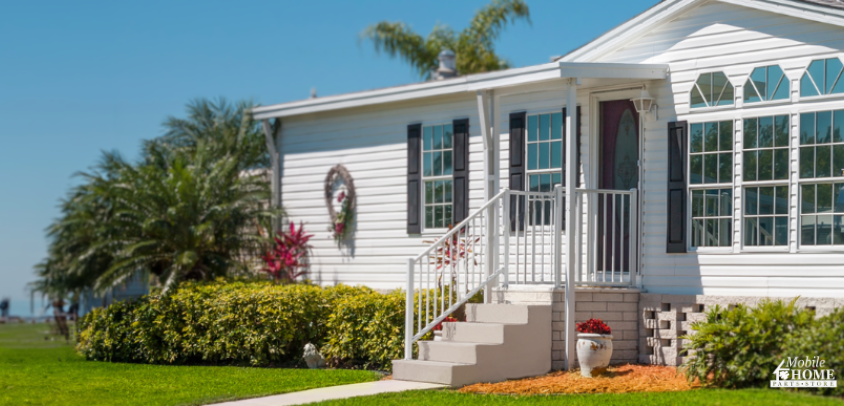
If you’ve already got a set of steps for your mobile home, they’re probably doing their job—more or less. But maybe they’re starting to lean. Maybe the paint’s peeling, or they get slick when it rains. Or maybe you’re building out an entryway and figuring out what kind of steps make the most sense.
At some point, fiberglass stairs will show up on your radar. They don’t come cheap, and they look… simple. So it’s fair to ask: are they really worth it? Or just another prefab shortcut that sounds better than it is?
Let’s get into what they actually are, and what they do differently.
What Most People Use—and Where It Falls Short
A lot of mobile homes use wooden or metal stairs. They’re affordable, easy to customize, and if you’re handy, you can build or assemble a set yourself.
But here’s what tends to happen over time:
- Wood warps, splinters, or rots if it’s not maintained.
- Metal rusts unless you treat and repaint it regularly.
- Any stairs with multiple parts can shift, loosen, or squeak—especially if the ground underneath moves with the seasons.
None of this means they’re bad. It just means you’ll need to check on them more often. And if something fails—especially a step or railing—that’s not just a hassle, it’s a safety risk.
What Fiberglass Stairs Do Differently
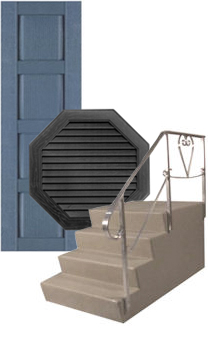
Fiberglass stairs come molded in a single piece. No joints. No seams. No boards to come loose or railings to wobble. The material itself doesn’t rot, rust, or soak up water. And because they’re solid all the way through, they’re heavy enough to stay put, but not so heavy you can’t move them into place with a little help.
They’re not flashy. They don’t look “custom.” But they’re consistent. Predictable. And that’s the appeal.
What You’re Actually Paying For
Yes, fiberglass stairs cost more upfront than wood or metal kits. No argument there. But what you’re getting for that price is a set of stairs that:
- Doesn’t need painting or sealing
- Won’t develop soft spots or splinters
- Won’t shift out of level because parts loosened up
- Can sit outside year-round without falling apart
And just as important: you’re getting time back. Time not spent assembling things. Time not spent maintaining them. Time not spent replacing them after five years because they didn’t hold up.
What About Installation?
If the ground is prepped, installing a fiberglass stair set is straightforward. Level the area, place the stairs, and anchor them. That’s pretty much it.
No brackets to line up. No guessing which bolt goes where. No re-cutting treads when something doesn’t fit. And no “oops” moments two hours in when a step doesn’t feel level.
That’s not to say you can’t build your own. You can. But if you’re more focused on getting a solid set of steps in place—and moving on—fiberglass makes a good case for itself.
Are They the Right Choice for Everyone?
No. If you’re looking for something that matches a certain aesthetic, or you enjoy building things yourself, you might prefer a different route. Fiberglass stairs are more about function than form.
But if you want something that:
- Holds up through all kinds of weather
- Requires almost no maintenance
- Installs fast
- Stays safe and solid long-term
Then yeah—they’re worth a serious look.
Why Dura Grip II™ Gets the Job Done
Mobile Home Parts Store carries fiberglass stairs like the Dura Grip II™ series—well-built, all-in-one stair systems that are designed specifically for mobile and manufactured homes. These steps have a textured, non-slip surface, reinforced sidewalls, and molded construction that holds up in harsh weather.
There are multiple sizes and platform configurations to choose from, so whether you need a shorter three-step model or something with a wider landing, there’s likely an option that fits. No guesswork, no hunting down extra parts—just stairs that show up ready to go.
Tags: Dura Grip II™ Fiberglass Steps, fiberglass stairs, fiberglass steps, mobile home stairs

