 SIGN-UP FOR THE MHPS NEWSLETTER!








When the cold months creep in, everyone wants the same thing: a heating system that feels steady, dependable, and ready for whatever winter brings. But when you’re standing between choosing a heat pump or replacing your old unit with a mobile home furnace, the decision can feel heavier than expected. Both options can heat your home well. They just do it in different ways—and those differences matter, especially in a factory-built home where space, power, and airflow are unique.
If you’ve ever wondered why some folks swear by the warmth of a furnace while others choose the efficiency of a heat pump, you’re not alone. With so much information floating around, the goal here is simple: make it easier to understand how each system works, what makes them strong in certain climates, how they affect your energy bills, and why the layout of your home plays such a big role.
How Heating Systems Work in a Factory-Built Home
Every heating system starts with the same goal—to keep your home warm—but the way each one reaches that goal can look very different. And in a factory-built home, those differences matter even more. The ductwork sits beneath the floor, the mechanical space is tighter, and every piece of equipment—no matter the fuel type—must be rated specifically for manufactured housing.
That’s why understanding what’s happening behind those panels and inside that furnace closet is so important before you compare efficiency, climate performance, or long-term costs. Whether you’re leaning toward a heat pump or a mobile home furnace, it helps to see how each system works within the unique layout of your home.
How a Furnace Produces Heat
A furnace works by creating heat outright, either by burning fuel or using electricity.
- Gas and oil models burn fuel inside a heat exchanger. A blower moves that heated air into your ducts.
- Electric furnaces skip combustion and use resistance coils to generate heat.
In most factory-built homes, the furnace lives in a compact closet designed specifically for it. Many modern gas or oil units use sealed combustion, which pulls in outside air through one PVC pipe and sends exhaust back through another. This keeps indoor air cleaner and makes the system safer and more efficient—something many homeowners appreciate.
How a Heat Pump Moves Heat
While furnaces create heat, heat pumps take a different approach. Instead of producing heat, they move it.
A heat pump doesn’t create heat the way a furnace does. Instead, it moves heat using refrigerant and electricity. In winter, it pulls warmth from outdoor air and transfers it inside. In summer, it reverses and removes heat from your home. One system handles both heating and cooling.
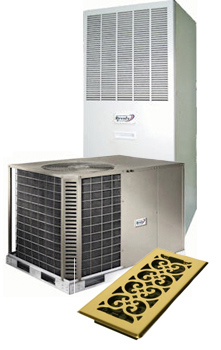
A typical setup includes:
- An outdoor heat pump condenser
- An indoor air handler or fan coil
- Connections to your existing duct system
When temperatures dip very low, many heat pumps use backup electric heat strips or another supplemental heat source to keep up.
Climate Matters: Where Each System Works Best
Once you understand how each system functions, the next big factor is location. Climate plays a major role in how well a heat pump or mobile home furnace performs—and it’s often the deciding point for many homeowners.
Heat Pumps in Mild Climates
Heat pumps excel in regions where winter temperatures hover in the 30s or 40s. There’s plenty of outdoor heat available for the system to draw in, so it runs efficiently and comfortably. In these places, a heat pump can usually cover the whole heating season without much help from backup coils.
This also makes heat pumps an appealing option for all-electric homes—an arrangement you see often in southern or coastal regions where gas lines aren’t common.
Furnaces in Cold Climates
For colder regions, the story shifts. When winter digs in and temperatures sit below freezing for long stretches, a mobile home furnace becomes the more dependable choice.
Gas and oil furnaces generate steady, high-temperature heat regardless of how cold it gets outside. When the thermometer drops sharply, that consistency makes a big difference. And if your area has low natural gas prices, a high-efficiency furnace can be the most cost-effective option long-term.
What If the Home Is All-Electric in a Cold Area?
Not every home has access to gas or oil. In all-electric homes located in colder climates, staying warm is still possible—but the cost of powering electric resistance heat adds up fast. That’s why many people in this situation consider:
- Adding a high-efficiency heat pump with solid backup heat, or
- Installing a dual fuel system if a gas or propane line can be added
These setups help balance comfort and cost during long winters.
Energy Efficiency, Costs, and the Feel of the Heat
Once you’ve considered climate, the next question usually becomes: “What will it cost to run?” Both heat pumps and furnaces can heat well, but they use energy differently. Those differences show up on your utility bill—and in how the warmth feels day to day.
Understanding Efficiency
Heat pumps often surprise people with how efficient they can be. Under the right outdoor temperatures, they can move two to three times more heat energy than the electricity they use. This efficiency makes them especially appealing in milder climates.
Furnaces measure efficiency using AFUE.
- Older units may sit around 80% AFUE.
- Modern, high-efficiency models can reach 90–98% AFUE.
Electric furnaces are technically 100% efficient, but they use more electricity to produce the same heat that a heat pump can move with far less power.
Comparing Operating Costs
Fuel availability plays a big role in cost.
- Natural gas is often cheaper per BTU than electricity.
- Propane and oil prices can rise and drop quickly.
- Electricity rates vary widely depending on the utility provider and region.
For many all-electric homes in mild climates, a heat pump is the clear winner for cost and performance. But in colder northern climates with long winters, a furnace often edges ahead.
How the Heat Feels
Comfort isn’t only about reaching a set temperature—it’s also about how the warm air feels as it circulates.
- A furnace creates hot, strong airflow, which many people associate with “cozy” heat.
- A heat pump offers gentle, steady warmth, often running longer but keeping your home’s temperature more even.
- Heat pumps typically don’t dry out the air as much as gas furnaces.
Both systems feel comfortable when sized and installed correctly. The difference comes down to personal preference.
Sizing and BTUs: Matching the System to Your Home
Once you know which type of system might fit your climate and budget, the next step is making sure it’s sized right. This is especially important when choosing a mobile home furnace, where even small BTU changes can affect comfort and performance.
BTU Ranges
Here are some general guidelines often used when estimating furnace sizing:
- Mild climates → 25–30 BTUs per square foot
- Cold climates → Up to 45 BTUs per square foot
Remember: a furnace’s listed BTU output isn’t always the usable heat. If a furnace is listed at 70,000 BTUs, you might get 80% of that, depending on its AFUE rating.
Heat pumps must be sized for both heating and cooling, which requires a bit more calculation.
Why Proper Sizing Matters
Oversized systems heat too fast, shut off, and cycle repeatedly. Undersized systems run almost nonstop and still struggle on the coldest nights.
Because manufactured homes have shorter ducts and tighter spaces, good airflow and accurate sizing matter even more. A well-sized system makes a noticeable difference in comfort and cost.
Installation and Space Requirements
Once you understand sizing, it helps to think about how each system physically fits into your home. Manufactured homes are built with compact mechanical spaces, which means installation details matter.
Furnace Installation
A mobile home furnace sits in a designated furnace closet and must meet very specific clearance and safety requirements. Gas or oil units need proper venting through a roof jack or sidewall kit. Electric furnaces require heavy-duty wiring and a dedicated breaker.
Heat Pump Installation
Heat pumps need both indoor and outdoor space.
- Outdoors, the unit needs about 24 inches of clearance for proper airflow.
- Indoors, the air handler or coil cabinet must fit the existing closet layout.
- Backup heat strips may require added electrical capacity.
Transition pieces help ensure a snug, efficient connection to mobile-home ductwork.
Maintenance, Longevity, and Safety
Even the best equipment needs care. No matter what you choose, regular maintenance goes a long way toward keeping your home comfortable.
Life Expectancy
- Gas and oil furnaces often last 20+ years with proper care.
- Heat pumps usually last 12–15 years, since they work year-round for both heating and cooling.
Safety
- Gas and oil furnaces must be checked for burner issues, vent blockages, and carbon monoxide concerns.
- Heat pumps and electric furnaces avoid combustion risks but still need safe electrical connections and good airflow.
Both systems benefit from yearly tune-ups to catch small issues early.
When Dual Fuel Makes the Most Sense
If you find yourself leaning toward both systems for different reasons, you’re not alone. That’s exactly where a dual fuel system shines.
A dual fuel setup combines a heat pump with a furnace. During mild weather, the heat pump takes the lead. When temperatures dip below a set point, the system automatically switches to the furnace. This gives you efficient heating most of the time, with the warmth and strength of a furnace when you really need it.
It’s a strong option for areas with mixed climates or for homeowners replacing both heating and cooling equipment at once.
Warming Up to Your Best Choice
Choosing between a heat pump and a mobile home furnace isn’t always simple, but it becomes much clearer once you understand how each system works with your climate, your utilities, and the way your home was built. Some people prefer the steady strength of a furnace. Others like the year-round efficiency of a heat pump. And plenty of homeowners land somewhere in the middle, weighing what feels right for both comfort and cost.
What matters is finding a system that fits your home’s layout and supports the kind of warmth you want on the coldest days. When everything lines up—from sizing to ductwork to the weather outside—you end up with heat that feels reliable, comfortable, and consistent season after season.
If you’re ready to take the next step or want to explore heating options designed specifically for manufactured homes, Mobile Home Parts Store carries mobile-home–rated furnaces, compatible heat pump systems, and the parts that help them run their best. Our team is here to help you compare what fits, ask the right questions, and choose a setup you can count on when winter settles in.
Tags: electric furnace, heat pump, heating and cooling, mobile home furnace, nordyne furnace

