 SIGN-UP FOR THE MHPS NEWSLETTER!









Skirting might not be the most glamorous part of your mobile home, but it plays a huge role in keeping things safe, clean, and running smoothly. Think of it as your home’s first line of defense—protecting the underside from animals, moisture, cold air, and even code violations.
But here’s the thing: installing skirting isn’t just about covering up the bottom of your home. It has to meet specific building codes—federal and local—that are in place to make sure your home is properly ventilated, protected, and up to standard. That can feel like a lot to figure out, but don’t worry. With a little guidance (and a closer look at pre-cut skirting), you’ll see it’s more doable than you might think.
Let’s Start with the Basics: Why Skirting Really Matters
If you’ve ever had a raccoon crawl under your home or dealt with a frozen water line, you already know why skirting is important. But even if you haven’t, here’s what good skirting does for you:
- Keeps animals out of your crawlspace (no more surprise visitors).
- Protects plumbing and HVAC systems from harsh weather.
- Helps with energy efficiency by reducing airflow underneath.
- Boosts curb appeal with a cleaner, more finished look.
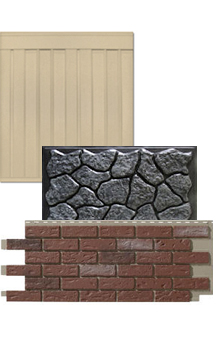
You’ve got options when it comes to materials—vinyl, metal, faux brick, insulated panels—but pre-cut skirting can be a real game changer. It’s designed to meet common specs and save you from all that measuring, trimming, and guesswork. If you’re taking the DIY route or want something code-friendly right out of the box, it’s a solid place to start.
Understanding the Codes: What Are You Really Required to Do?
Alright, here’s where things start to get a little more technical—but stick with us. Once you know what inspectors are looking for, it all starts to make sense.
The HUD Code (24 CFR Part 3285) sets the nationwide standard for manufactured homes. In a nutshell:
- Skirting is required unless specifically exempted.
- It must be weather-resistant, and vented (at least 1 sq. ft. of venting for every 150 sq. ft. of floor space).
- You’ll need at least one access panel, minimum size 18”x24”, so inspectors or utility workers can get underneath when needed.
Some areas also follow the International Residential Code (IRC), specifically Appendix E, which reinforces those HUD requirements. In places prone to fires or extreme weather, it might go further and require fire-resistant materials or extra anchoring.
Now, if you’re thinking, “How do I make sure I don’t miss anything?”—you’re not alone. Many homeowners find that using pre-cut skirting helps tick those boxes automatically. The panels are often built to comply with common standards, which takes a lot of pressure off you during installation.
Why Local Codes Can Be the Real Wild Card
Just when you’ve wrapped your head around federal rules, along come the local codes. Here’s the good news: they’re usually just slight variations of the national standards. The not-so-good news? They’re not always easy to find, and they can vary from town to town.
A quick call to your local building department is well worth the time. You’ll want to ask:
- Do I need a permit to replace or install skirting?
- What are the ventilation and access panel requirements?
- Are there any specific materials I can’t use?
Here are a few examples to give you an idea of how different it can be:
- Florida: Because it’s often in Wind Zones II and III, skirting must be securely anchored. Some areas also require vent locations to be diagrammed for inspection.
- California: In wildfire zones, you may need ignition-resistant materials. Wood products must be treated or naturally decay-resistant.
- Texas: Some municipalities prohibit flammable plastics or fabrics and require fire-retardant materials.
And if your home is in a flood zone? You might need flood vents or breakaway panels, which allow water to flow through without damaging your skirting—or your home.
Again, this is where pre-cut skirting can take a load off your mind. Many products come with manufacturer documentation that satisfies inspection requirements. And since the panels are often labeled for vent placement and access, you’re less likely to miss something important.
How Pre-Cut Skirting Makes Life Easier
Let’s say you want to tackle the skirting yourself—or maybe you’re hiring a pro but still want to be involved in the process. Either way, pre-cut skirting is one of the smartest decisions you can make to help stay on track with code compliance.
Here’s why:
- The dimensions are already cut to standard sizes—less sawing, more installing.
- Ventilation panels and access openings are often pre-marked or pre-installed.
- Manufacturers usually include specs that inspectors appreciate.
- And maybe most importantly? It just saves time.
We’ve heard from homeowners who installed everything over a weekend and passed inspection with flying colors—thanks in part to avoiding the “oops, we forgot the vent” moment. Pre-cut systems help reduce those common errors that can cause delays or added costs.
Avoiding Common Headaches (Before They Start)
Even when you’re doing everything right, small mistakes can slip in. Here are a few things to double-check before calling in your final inspection:
- Are your vents spaced properly—and on opposite walls? Ventilation is only effective if air can actually move through.
- Did you include at least one access panel? If you’re not sure where to put it, aim for where your water or electrical hookups are.
- Are you using the right materials for your local code? If it’s a high-wind or fire-prone area, check twice.
- Did you get the right permits? It may feel like a hassle now, but skipping this step can come back to bite you.
One more tip: if you’re unsure about anything, ask your local inspector before you start. Most are happy to answer questions, and getting clarification upfront can help you avoid a redo later.
Wrapping It All Up
Skirting isn’t just about making your mobile home look nice—it’s a safety feature, a weather shield, and, yes, a legal requirement. Getting it right helps protect your investment and gives you peace of mind that everything’s up to standard.
If the rules and details feel like a lot to juggle, remember: you don’t have to figure it out alone. Solutions like pre-cut skirting are built to help you get the job done faster and more confidently. From pre-sized panels to included specs and code-friendly features, they’re designed to take the stress out of the process.
When you’re ready to get started, Mobile Home Parts Store has you covered with compliant skirting options and friendly support to help every step of the way. Because when it comes to your home, doing it right shouldn’t feel out of reach.
Tags: mobile home skirting, mobile home skirting panel, Skirting for mobile home, Vinyl Skirting

