 SIGN-UP FOR THE MHPS NEWSLETTER!









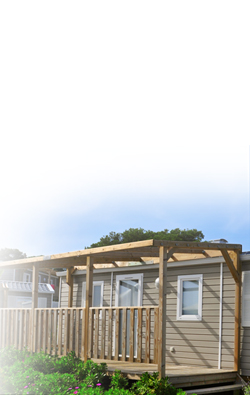


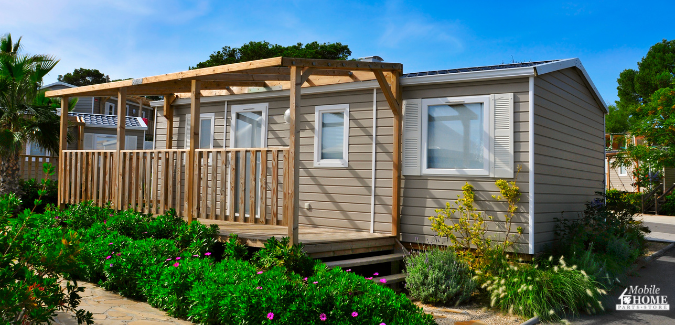
There’s something special about stepping outside onto your own deck. Whether it’s for sipping morning coffee, hosting weekend get-togethers, or just catching your breath after a long day, a good outdoor space can make your home feel more complete. If you’ve been thinking about adding—or upgrading—a mobile home deck, you’re not alone.
Creating a space that blends function, comfort, and curb appeal doesn’t have to feel overwhelming. With the right materials, a little planning, and some care along the way, your mobile home deck can be a lasting upgrade that fits right into your daily life.
Let’s walk through everything you need to know to build—and maintain—a space you’ll enjoy for years to come.
Porch or Deck? Finding What Fits Your Lifestyle
Before you grab a measuring tape or start picking out paint colors, it helps to understand the difference between a porch and a deck.
A porch is typically located at the front of your home and includes a roof—sometimes even screens or windows. It’s a cozy space that transitions between indoors and out, offering a bit more protection from the elements.
A deck, on the other hand, is usually open-air and built off the back or side of your home. It’s a great option if you want more sun, more space, and fewer structural limitations. And for mobile homes, a deck can be a natural extension—especially when it connects directly to the living space via a sliding glass or French door.
Some homeowners even pair a deck with mobile home skirting for a clean, finished look that ties everything together beautifully.
Planning a Mobile Home Deck That Works for You
Designing the right deck is about more than square footage—it’s about how you plan to use the space and what feels right for your lifestyle.
- Think about your goals. Do you want a peaceful spot to read? Room for a grill and outdoor table? A place where kids or pets can safely hang out?
- Map out your layout. Measure twice—maybe three times. Think about how people will move between your home, the deck, and the yard.
- Check local codes. Many areas require permits or inspections for decks, especially for raised structures. It’s worth checking early so your project goes smoothly.
- Set a realistic budget. Include materials, tools, labor (if needed), and a cushion for unexpected hiccups.
And remember—your deck doesn’t have to be huge or elaborate to be meaningful. Even a small mobile home deck can have a big impact on daily life.
Materials That Last (And Look Good Doing It)
Choosing the right materials is one of the most important parts of your project. The look, feel, and long-term care of your deck will all depend on what you use.
Popular Wood Options
- Pressure-treated pine: Affordable and widely available, though it needs regular sealing to prevent rot.
- Cedar: Beautiful and naturally resistant to bugs and decay, but a little more upkeep.
- Redwood: Durable and attractive, especially if you love a rich, warm tone—though it’s on the pricier side.
- Ipe: A dense, tropical hardwood known for its strength and longevity.
Low-maintenance Alternatives
- Composite decking: Made from wood fibers and plastic, composite boards hold up beautifully over time with little maintenance.
- Vinyl or aluminum: Clean lines, weather resistance, and a modern look make these options great for busy homeowners who don’t want to refinish every couple of years.
Whatever route you go, think about how the materials will hold up in your climate—and how much time you’re willing to spend on maintenance each year.
Don’t Forget the Steps
One thing that makes mobile homes unique is their elevation. That means you’ll almost always need steps to get from your door to your mobile home deck—or to the yard.
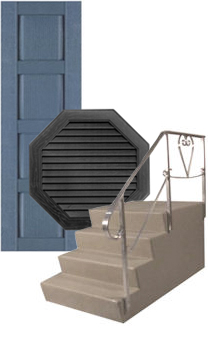
Options like fiberglass steps are popular because they’re durable, weather-resistant, and come ready to install. Wood steps can match your deck, while concrete adds long-term stability if you’re building a ground-level patio or want extra weight support.
Safety, comfort, and accessibility should always be top of mind when choosing steps. Consider railings, slip-resistant surfaces, and the height of each rise.
DIY or Pro? Here’s How to Decide
Taking on a deck project yourself can be incredibly rewarding—but it’s not for everyone.
Go DIY if
- You’re comfortable with tools and basic construction.
- You’ve done projects like this before or have help from a handy friend.
- You’re working with a simple, ground-level design.
Call a pro if
- You want a more complex layout with multiple levels or built-in features.
- You’re dealing with uneven terrain or tricky anchoring.
- You’d prefer to spend your weekends relaxing instead of hauling lumber.
Either way, the goal is the same: a mobile home deck that fits your space, your style, and your timeline. No shame in choosing the path that brings you the most confidence.
Keeping Your Deck in Good Shape
Once your deck is built, a little regular care can go a long way in keeping it safe and beautiful.
- Sweep and rinse regularly to prevent buildup of leaves, pollen, and dirt.
- Stain or seal wooden decks every 1–3 years depending on your material and climate.
- Inspect for wear each season—look for loose boards, nails, or early signs of rot.
- Sand and refinish rough spots to prevent splinters, especially if little feet or paws are involved.
If you’re using a composite or vinyl surface, a basic soap-and-water clean is often all you need to keep it looking new.
Bringing It All Together
Your mobile home deck isn’t just another project—it’s an opportunity to create more of the moments you want to have at home. Whether that’s outdoor dinners, quiet coffee breaks, or extra space to enjoy a nice breeze, it’s an upgrade that blends function with feeling.
It doesn’t have to be perfect or done all at once. Start with what feels manageable—add some steps, patch up those boards, or sketch out that dream deck you’ve been thinking about.
And when you’re ready for tools, hardware, skirting, or even fiberglass steps, Mobile Home Parts Store is here with products that work as hard as you do.
Tags: Dura Grip II™ Fiberglass Steps, fiberglass stairs, fiberglass steps, mobile home deck

