 SIGN-UP FOR THE MHPS NEWSLETTER!








If you’ve ever taken a peek under your mobile home, you’ve probably noticed a protective layer covering the underside. That’s the bottom board—also called the underbelly, belly board, or belly wrap—and it plays a bigger role than you might think. It keeps insulation in place, blocks moisture, and stops pests from making themselves at home where they don’t belong.
Over time, this barrier can get damaged from weather, curious critters, or even necessary repairs. If you’ve noticed sagging spots, holes, or tears, don’t worry—it’s totally fixable. With the right approach, you can patch up your bottom board and keep your home protected. Let’s walk through how to do it step by step.
What Does the Bottom Board Do?
Think of the bottom board as a shield for your home. It’s usually made from materials like heavy-duty polyethylene fabric, asphalt-impregnated fiberboard, or fiberglass cloth. Its job?
- Keeps moisture out – Prevents ground moisture from seeping in and damaging insulation or flooring.
- Supports insulation – Holds insulation in place so your home stays warm in the winter and cool in the summer.
- Blocks pests – Stops rodents, insects, and other unwanted guests from sneaking in underneath your home.
When it’s in good shape, you probably don’t think about it much. But when it gets damaged, you’ll want to take care of it sooner rather than later to avoid bigger (and pricier) problems.
How Does the Bottom Board Get Damaged?
Several things can weaken or tear your mobile home’s bottom board:
- Pests – Mice, rats, and even insects can chew right through it, creating entry points.
- Moisture & Weather – Water leaks, humidity, and extreme temperatures can break down the material over time.
- Repairs & Maintenance – If you’ve had work done on plumbing, electrical, or HVAC systems, chances are someone had to cut into the bottom board and didn’t seal it back up properly.
Spotting the issue early can make repairs much easier. So, if you’ve noticed any sagging, holes, or wet spots, it’s time to fix it up.
How to Repair Your Mobile Home Bottom Board
Step 1: Inspect the Damage
Before diving in, grab a flashlight and take a good look under your home. Check for:
- Holes or tears
- Sagging spots
- Moist or moldy areas
- Loose or missing insulation
If you see any signs of moisture, be sure to track down the source of the leak before making repairs. Otherwise, you’ll be patching it up just to deal with the same problem again later.
Step 2: Fix Any Underlying Issues
Found a leak? Fix it first. Have a pest problem? Take care of that, too. If you don’t, your new repair won’t last long.
- For moisture issues – Seal leaks and check for proper drainage around your home.
- For pest problems – Close up any entry points and consider using pest deterrents.
Once the cause of the damage is handled, you’re ready to start fixing the bottom board itself.
Step 3: Prep the Area for Repair
- Clear out any debris – Remove loose material, damaged insulation, or anything that could get in the way of a proper seal.
- Provide support (if needed) – If the damage is large, install some 2×4 or 2×6 boards between floor joists to create a solid surface for attaching new material.
Taking a little extra time on prep will make the actual repair much easier.
Step 4: Choose the Right Repair Material
The best material for your repair depends on the size of the damage:
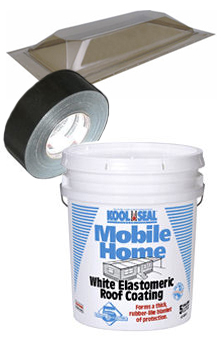
- Small holes or tears → Use a heavy-duty 2″ bottom board tape like Flex-Mend™ for a strong, airtight seal.
- Larger damaged areas → Use a polyethylene fabric patch or a bottom board repair kit.
Step 5: Patch It Up
For small holes:
- Cut a piece of repair tape slightly larger than the hole.
- Make sure the surface is clean and dry.
- Firmly press the tape over the damaged area, smoothing out any air bubbles.
For larger repairs:
- Measure and cut a patch big enough to fully cover the damaged section, with a little extra around the edges.
- Attach the patch using self-tapping screws and washers for a secure fit.
- Seal all seams with repair tape or adhesive to keep moisture and pests out.
Once it’s patched up, give it a quick tug to make sure everything is secure.
Step 6: Replace Insulation (If Needed)
If insulation was removed or damaged, now’s the time to replace it. Fit it snugly between the floor joists before sealing everything up—it’ll help keep your home comfortable year-round.
Step 7: Do a Final Check
Once your repair is complete, step back and take another look. Are all gaps sealed? Is the insulation in place? If everything looks good, you’re done.
How to Prevent Future Damage
The best way to avoid bottom board issues in the future is with regular maintenance.
- Check underneath your home at least twice a year – Catch small problems before they become big ones.
- Keep pests out – Seal up any gaps around your skirting, and don’t leave food or clutter around your home that might attract critters.
- Manage moisture – Make sure your home’s drainage is working properly to keep water away from the bottom board.
Final Thoughts
A torn or sagging bottom board might not seem like a big deal at first, but fixing it now can save you from bigger (and more expensive) repairs later. Plus, keeping your bottom board in good shape means better insulation, fewer pests, and a more comfortable home.
Need the right materials for the job? Check out Mobile Home Parts Store for bottom board repair kits, insulation, and everything else you need to keep your home protected for years to come.
Updated on February 19, 2024: This article has been refreshed with the latest insights, tips, and product recommendations to ensure it provides the most accurate and helpful information for our readers.
Tags: belly board, bottom board, how to, mobile home

