 SIGN-UP FOR THE MHPS NEWSLETTER!








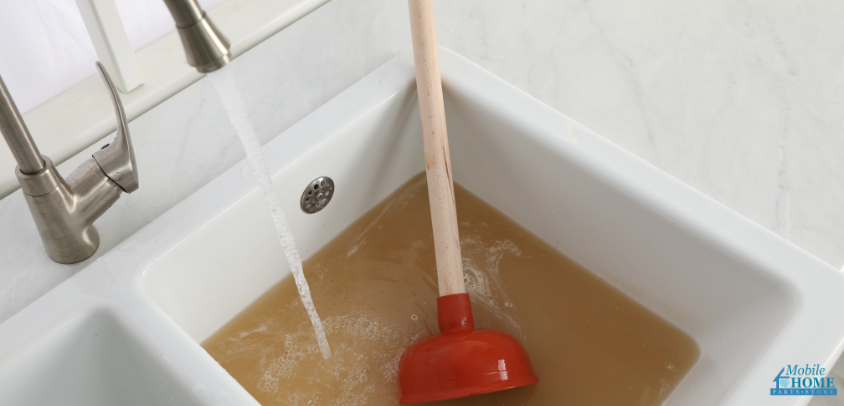
A clogged kitchen sink can stop your whole day in its tracks. You go to rinse a mug, and instead, you’re staring at a pool of murky water that refuses to budge. Dishes pile up, meal prep slows down, and that standing water is a constant reminder that something’s not right. In a mobile home, where plumbing runs are compact and less forgiving, even a small clog can feel like a big deal.
The good news? Most sink blockages aren’t complicated to fix—and you don’t need to be a plumbing pro to get it done. With a few simple tools, some patience, and the right steps, you can usually get water moving again faster than it takes to track down a service call. Let’s walk through the fixes that work, starting with the easy ones and working our way to the more involved methods.
Step 1: Figure Out What’s Going On
Before you reach for tools or pour anything down the drain, do a quick check:
- Is the drain slow, or completely blocked?
- Is there standing water, or just a shallow pool?
- Any odors that hint at trapped food or grease?
This quick check helps you target the right fix and avoid wasting time on methods that may not work for your situation.
Step 2: Start with the Easiest Kitchen Sink Fixes
It’s best to try low-effort solutions before jumping into more involved repairs. These first steps are quick, inexpensive, and often work right away.
Plunge the Drain
A plunger isn’t glamorous, but it’s fast and effective.
- Remove enough water so the plunger head can submerge.
- Set it over the drain to form a solid seal.
- If your sink connects to a dishwasher, clamp or cap that line to prevent backflow.
- Plunge with short, firm bursts for 20–30 seconds. Listen for a gurgle and feel for a lighter, springier push—both are good signs.
- If things improve but aren’t clear, repeat once or twice.
Flush with Hot (Not Boiling) Water
If grease or soap scum is slowing your kitchen sink, heat can help.
- Warm about half a gallon of water until it’s hot but not boiling (boiling water can soften or damage PVC, which is common in mobile homes).
- Pour it in a steady stream straight down the drain.
- Wait a few minutes, then test the flow.
- Repeat once or twice if needed.
Use Baking Soda and Vinegar
If grease or soap scum is blocking your drain, hot water may help to clear it.
- Measure 1 cup of baking soda and pour it directly into the drain.
- Follow with 1 cup of white vinegar.
- Quickly cover the drain with a stopper to keep the fizzing reaction concentrated in the pipe.
- Let it work for about 15 minutes.
- Remove the stopper and rinse everything through with hot tap water.
It’s not a fix for deep or stubborn blockages, but it’s gentle on your pipes and a great first step for surface-level clogs.
Step 3: Dig a Little Deeper
When basic fixes don’t work, the clog is probably farther down the line. Here’s how to address it.
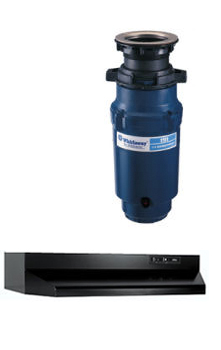
Check the Garbage Disposal (If You Have One)
Sometimes the problem isn’t in the pipes at all—it’s sitting right in the garbage disposal. A quick check can save you time.
- Flip the switch to turn it on. If it hums but doesn’t spin, it may be jammed.
- Press the small reset button on the bottom or side of the unit, then try running it again.
- If it still won’t work, turn off the power at the breaker before inspecting it further.
If your mobile home doesn’t have a garbage disposal, you can skip this step and move on to the next method.
Use a Wet-Dry Vacuum on Your Kitchen Sink
A wet-dry vacuum can be surprisingly effective at pulling out clogs that other methods can’t reach.
- Switch the vacuum to liquid mode and make sure the canister is empty.
- Position the hose directly over the drain and create a tight seal—this is key for maximum suction.
- If you have a double-bowl kitchen sink, plug the other drain with a stopper or a damp cloth.
- Turn the vacuum on high for short bursts to try and draw the blockage out.
You may hear a sudden rush of water or debris if it works. Even if it doesn’t clear the clog completely, it can loosen things up enough for another method to finish the job.
Step 4: Go Hands-On for Stubborn Clogs
These methods take a bit more work, but they’re still manageable for most mobile homeowners.
Use a Hand Auger (Plumbing Snake)
- Feed the cable into the drain until you feel resistance.
- Turn the handle to break up or grab the clog.
- Pull it back out slowly, then flush with hot water.
Be gentle—mobile home pipes can be more flexible than standard house plumbing.
Clean the P-Trap
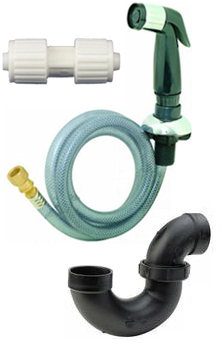
The P-trap is the U-shaped pipe under the sink. It’s a common place for clogs to collect.
- Place a bucket underneath to catch water.
- Loosen the connectors and remove the trap.
- Clear out any debris.
- If needed, use an auger in the horizontal pipe leading into the wall.
- Reassemble, hand-tighten, and run water to check for leaks.
Once the P-trap is clean, the drain should be back to normal.
How to Stay Out of Hot Water with Your Pipes
A few small habits can make a big difference in preventing future clogs.
- Use a sink strainer: Catch food scraps before they enter the drain; empty into trash or compost.
- Avoid grease and oils: Cool and toss them in the trash instead of pouring down the drain.
- Garbage disposal tips:
- Always run cold water while using it (helps fats solidify so blades can break them up).
- Skip fibrous or starchy foods like celery, corn husks, onion skins, and potato peels.
- Clean periodically with a few ice cubes; add citrus peels for a fresher smell.
Staying consistent with these habits reduces the chance of another clogged kitchen sink and helps your plumbing last longer.
Drain, Set, Match
From a quick plunge to cleaning the P-trap, you now have a clear plan for getting your kitchen sink draining again. And if these steps don’t solve the problem, you’ll at least know more about where the issue might be and when it’s time to bring in professional help.
At Mobile Home Parts Store, we understand the unique plumbing setups found in mobile homes. When you need the right parts, tools, or advice to keep your sink—and your home—running smoothly, we’re here to help.
Tags: kitchen, Kitchen sink, mobile home kitchen, mobile home sink

