 SIGN-UP FOR THE MHPS NEWSLETTER!











You know that tiny drip under the sink—the one that shows up after you swap a drain or nudge the faucet base? This is the moment I reach for plumbers putty. It’s a soft, kneadable sealant we press between two smooth, rigid parts—like a drain flange and a sink deck—so they compress together and form a clean, watertight seal. Think of it as a hand-made gasket: you roll it, set it, tighten the hardware, and it quietly keeps water from sneaking through.
If you’ve never used it, don’t overthink it. The process is simple: clean the surfaces, roll a rope, make a ring under the flange, tighten until you see a neat squeeze-out, wipe the extra, and test. That’s it. No curing time, no sticky mess, and if you need to redo it, you can—no harm done.
Before we get hands-on, let’s gut-check where putty belongs and where a different sealant is the better call.
Where Plumbers Putty Works (and Where It Doesn’t)
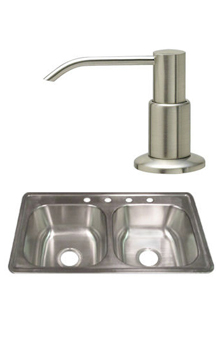
Plumbers’ putty shines when it’s sandwiched between two smooth, rigid parts that get clamped together. Think: a metal basket strainer on a stainless sink, a bathroom drain on a porcelain basin, or a shower drain body on a solid base. It fills the micro-gaps that those parts can’t, keeping water where it’s supposed to be.
But it’s not a fix-all. Skip it on plastic or acrylic parts—many manufactured shower pans are acrylic, and putty can stain or soften them. It’s also not meant for sealing pipe threads (use thread tape or sealant instead) or for setting a toilet to the floor (that’s a wax ring or no-wax seal job).
If your fixture instructions say “no putty,” listen to them—some newer drains include their own rubber gasket that replaces it entirely.
What You’ll Need (and What Makes It Easier)
You don’t need a full toolbox—just a few basics. Set them out before you crawl under the cabinet so you’re not constantly popping back up:
- Small tub of plumbers putty
- Adjustable wrench or deep socket
- Putty knife or old plastic card (for scraping old gunk)
- A couple of rags (one damp, one dry)
- Mild cleaner or rubbing alcohol for wipe-downs
- A bucket or small pan to catch water in the trap
Pro tip: Lay an old towel on the cabinet floor. It’ll save your back and catch the bits you drop.
Step-by-Step: Sealing a Drain with Plumbers Putty
This is my no-rush method for installing a sink drain or basket strainer—the kind of job where plumbers’ putty shines. The same approach works for most drains with a flange.
1. Clean Like You Mean It
Scrape off any old caulk or dried putty. Wipe the sink opening and the drain flange with cleaner, then dry them thoroughly. Clean and dry is half the battle.
2. Roll a Rope of Plumbers Putty
Pinch out a golf-ball-sized lump and knead it for about 30 seconds. Roll it between your palms into a smooth rope about ½ inch thick. If it cracks, knead a little longer.
3. Make the Ring
Wrap the rope around the underside of the drain flange. Overlap the ends slightly and press them together so you have one continuous ring—no gaps or thin spots.
4. Set the Drain
Drop the drain body into the sink opening and keep a hand on it so it doesn’t spin. Underneath, stack the gasket and washers as the instructions show, then start tightening the locknut by hand. Snug it gradually.
5. Watch for the Squeeze
As you tighten, you want to see a thin bead of plumbers’ putty squeeze out evenly around the flange. That’s your “it’s sealed” signal. Wipe the excess away with a rag. If it smears, a quick pass with a plastic card will clean the edge neatly.
6. Hook It Up and Test
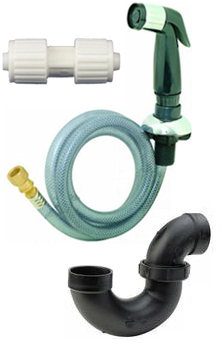
Reconnect the tailpiece and trap. Fill the sink with a few inches of water, then drain it while you watch underneath. If you see a drip, give the locknut a gentle quarter-turn tighter. Still leaking? Loosen it, lift the flange, and add a bit more putty—redoing it is better than living with a leak.
Troubleshooting Without Starting Over
Most issues are small and easy to fix:
- No squeeze-out? You probably used too little plumbers’ putty. Back it off, add more, and retighten.
- Bead only on one side? That means uneven pressure. Loosen it, center the flange, and tighten gradually, like lug nuts on a tire.
- Messy rim after wiping? Wrap a damp rag around your fingertip for a clean, factory-looking edge.
- Cold weather, stiff putty? Warm it in your hands longer or set the closed tub in warm water for a minute.
One more thing—double-check that the rubber gasket and fiber washers are stacked exactly like the instructions show. A flipped washer can look like a leak, even when your seal is fine.
Plumbers Putty vs. Silicone: Which to Grab When
Here’s the rule I’ve repeated a hundred times:
- Parts are being clamped together and you might want to take them apart someday, use putty. It seals quickly, cleans up easily, and you can reposition parts without hassle.
- Plastic or acrylic parts—or you need a permanent, fully waterproof bond—go with silicone. It takes hours to cure, but it adheres and stands up to sunlight and movement.
I keep both on hand. The project decides.
A Few Mobile-Home-Specific Tips
After crawling under plenty of compact vanities and tight cabinets, here’s what helps:
- Thin sinks flex. Support the sink deck from above with your free hand while you tighten. It keeps pressure even so your bead of plumbers’ putty doesn’t squeeze out on one side and starve on the other.
- Dry-fit your trap first. This avoids re-wiping the rim if you need to trim pipe lengths after the drain’s sealed.
- Trap leaks aren’t flange leaks. If it drips only when you move the trap, that’s a slip-joint washer issue—not your putty job.
- Use access panels. If there’s one on the vanity back, pop it off. Working straight on beats contorting under the sink.
And don’t forget: reseal the tub when you’re done. Air dries putty out over time, so a tight lid keeps it pliable for the next fix.
You’ve Got This (and Where to Get What You Need)
Once you get the hang of it, sealing a drain is a quick win. Roll the rope, seat the flange, look for that even squeeze, and tighten with a light touch. Keep a small tub of plumbers’ putty on hand, and you’ll be ready the next time a faucet or drain needs some attention.
When you’re gathering supplies, you can find plumbers putty, gaskets, drains, and other essentials at Mobile Home Parts Store—everything you need to handle small fixes confidently, without the headaches.
Tags: mobile home plumbing, plumbers putty, plumbing, Sealants

