 SIGN-UP FOR THE MHPS NEWSLETTER!






Mobile homes have been an affordable housing solution for decades. But if yours was built before 1976, you’ve probably run into some frustrating mobile home repair issues.That’s because older mobile homes—called pre-HUD mobile homes—were built before the U.S. Department of Housing and Urban Development (HUD) introduced modern building and safety standards.
So, what does that mean for you? It means your home might have structural concerns, outdated plumbing, poor insulation, or skirting problems. But don’t worry—many of these issues can be fixed! Let’s break it down and see what mobile home repair solutions make the most sense for your home.
Structural Integrity and Building Materials
Before HUD guidelines, mobile home construction was all over the place. Some homes were built well, while others… not so much. If you own an older mobile home, you may have noticed sagging roofs, soft spots in the floor, or walls that feel a little flimsy.
A lot of this comes down to materials. Many pre-HUD homes were built with lightweight frames and lower-quality metals or wood. Over time, exposure to weather, moisture, and everyday wear can weaken the structure.
So, what can you do?
- Minor issues (like weak flooring) can often be reinforced with plywood or subfloor replacements.
- Major structural problems (like a sagging roof or unstable walls) may require professional repairs. If you’re dealing with big safety risks, don’t wait—get it checked out before it becomes a bigger issue.
Outdated Plumbing Systems
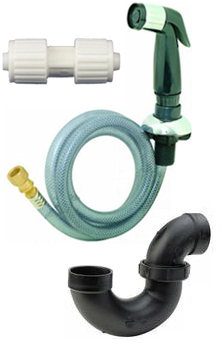
If your mobile home was built before the late 1990s, there’s a good chance it has polybutylene (PB) pipes. These pipes were popular back in the day but turned out to be a nightmare. They get brittle over time and can crack or burst, leading to leaks—or worse, flooding.
Here’s the catch: PB pipes aren’t made anymore, so you can’t just swap out a broken section. The best solution is to replace them with PEX piping, a modern, durable alternative.
Yes, a full plumbing replacement sounds expensive—but ignoring the problem could mean dealing with water damage, mold, and skyrocketing mobile home repair costs. If you’re unsure about tackling this yourself, a professional plumber can help. Think of it as an investment that saves you money (and headaches) in the long run.
Insufficient Insulation
Many older mobile homes weren’t exactly built for energy efficiency. Insulation—if there was any—was often thin and placed under the home, held in place by a belly wrap (a plastic barrier underneath).
Over time, the belly wrap can tear due to plumbing repairs, animals, or just wear and tear. Once that happens, you’ll notice drafty floors, rising energy bills, and maybe even some unwanted pests sneaking in.
Luckily, this is one of the easier fixes.
- Patch any damaged areas of the belly wrap.
- Add modern insulation under the home and in the walls.
Better insulation keeps your home warmer in the winter, cooler in the summer, and saves you money on energy bills. Win-win!
Missing or Damaged Skirting
Skirting isn’t just for looks—it protects the underside of your mobile home from wind, moisture, and critters. If your home’s skirting is missing, cracked, or falling apart, it’s time to replace it.
The good news? Skirting replacement is one of the most affordable and DIY-friendly mobile home repair projects you can do. New skirting improves insulation, keeps pests out, and might even be required by lenders if you ever plan to refinance or sell.
Financing and Regulatory Issues
Here’s a frustrating reality: if your mobile home was built before 1976, you can’t get an FHA loan because it doesn’t meet modern HUD standards. This can make it tough to secure financing for repairs or upgrades.
What are your options?
- Consider personal loans or financing from lenders that specialize in older homes.
- If you’re thinking about selling, upgrading key areas (like plumbing, insulation, or skirting) can make your home more attractive to buyers.
Is It Worth Repairing an Older Mobile Home?
The big question: should you fix up your mobile home or start looking for a newer one? It depends.
Ask yourself:
- How bad is the damage? Small repairs? Worth it. Major structural problems? Maybe not.
- What’s the cost vs. value? Some fixes, like skirting or insulation, pay off quickly. Others, like a full roof replacement, may not be worth the investment.
- What’s your long-term plan? If you plan to stay in the home for years, strategic repairs can make it more comfortable and energy-efficient. If you’re planning to sell, focus on upgrades that boost resale value.
Final Thoughts: Old Homes, New Solutions
Owning an older mobile home comes with its challenges, but it doesn’t have to be overwhelming. Many of these common mobile home repair issues have practical solutions—and making the right fixes can extend the life of your home for years to come.
If you’re ready to tackle repairs, Mobile Home Parts Store has the materials you need to get the job done. From insulation and skirting to plumbing supplies, we’ve got you covered.
Tags: manufacture home, mobile home, mobile home remodel, mobile home renovation, mobile home repair

