 SIGN-UP FOR THE MHPS NEWSLETTER!






You have a major decision to make in mobile home skirting installation: do you attempt the job yourself, or do you pay someone to do the job for you? Some homeowners enjoy the challenge of a do-it-yourself project, while others enjoy the confidence that comes from knowing that a professional is handling the details. At Mobile Home Parts Store, we’ve seen both sides—some people proudly show off their DIY work, while others are thrilled they brought in a pro. In truth, the best option depends on your personal budget, time, and skill level.
In this article, we discuss what mobile home skirting is, why it’s necessary, and the pros and cons of each type of installation. By the end of it, you’ll have a clearer picture of which is most suitable for you.
What is Mobile Home Skirting?
Mobile home skirting is the material installed around the base of a mobile home. It’s there to protect your home’s underside from pests, wind, rain, and other elements. Skirting also makes your home look more finished and can help reduce energy costs by cutting down on drafts. When done right, it can extend the life of your home’s foundation and keep your living space comfortable all year long.
Before undertaking any skirting project, remember that how it’s installed does matter. Skirting that is not correctly installed can let in water, which will provide a habitat for mold, rot, or even insect infestation. So, regardless of whether you decide on a DIY project or the services of a professional, make sure the job is well done.
Common Skirting Materials
Choosing the right skirting material is a huge part of the overall decision. Some materials can be ideal for do-it-yourself work, and some may require more experience.
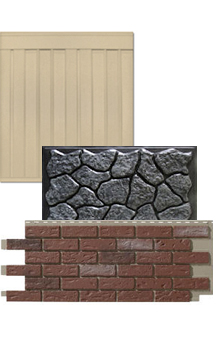
- Vinyl: Because it is such an inexpensive and lightweight material, vinyl is a breeze to install and often ideal for DIYers. However, it will crack in very cold weather.
- Faux Stone or Brick: This option can give your home a more upscale look without the weight of real rock, stone or brick. It is reasonably durable but can cost more than vinyl.
- Concrete or Brick: These are extremely durable and long-lasting options. However, because of their weight and the skill involved in installing them, professional help is generally recommended.
- Metal: Metal skirting is long-lasting and pest-resistant. With proper care to prevent rust, it will endure for years to come.
- Wood: Wood offers a natural look but requires ongoing maintenance, like sealing or painting, to prevent rotting or pest damage.
DIY Skirting: Are You Up for the Challenge?
Many homeowners decide to install mobile home skirting themselves, especially when using user-friendly materials like vinyl. Here are some things to consider if you’re thinking about a DIY approach:
Weighing the Costs of DIY Installation
One of the main reasons homeowners choose the DIY route is to save on labor costs. If you’re handy with tools, you might enjoy a DIY skirting project, especially with vinyl products. Vinyl skirting for a single-wide home can cost anywhere from around $400 to $1,300 in materials.
Advantages of Skirting Yourself
Personal Satisfaction
Doing the work yourself can be very rewarding. You feel a sense of accomplishment and control over every detail.
Flexibility
You can work at your own pace, taking breaks when you need to. If any unexpected issues come up, you can handle them in your own manner.
Challenges of DIY Skirting Installation
Skill and Knowledge
If you’re a beginner, you might find some of the steps difficult, especially if you’re installing heavier or more complex materials.
Time-Consuming
Even simple skirting work can be time-consuming. If you’re not too busy or short of time, you’ll need to plan well.
Risk of Mistakes
If it’s not installed correctly, you could end up with moisture buildup, pest invasion, or poor insulation. All of these cost more to fix down the road than it does to get a pro in the first place.
Should You Call in the Pros?
Having a professional install mobile home skirting (#5) will spare you a lot of frustration. You do have to pay more upfront, but you also receive the assurance that comes with professional work. Here are the things you need to know:
Cost Considerations
Hiring a professional means you pay for labor and materials. For vinyl skirting, labor can cost anywhere from around $300 to $800, based on the complexity of the job and where you are. With heavier materials like concrete, you’ll pay more for labor.
Benefits of Professional Installation
Expertise
Professionals know how to install mobile home skirting efficiently and correctly, with less chance of mistakes.
Specialized Tools
Experts have the tools and experience to handle challenges like uneven ground or tricky corners.
Warranties or Guarantees
Many contractors stand behind their work with warranties. If something goes wrong, they’ll fix it without an additional charge.
Potential Downsides of Hiring a Professional
Higher Initial Investment
You’ll have to pay labor fees on top of material costs, which can make the total price more than a DIY project.
Scheduling
Contractors may have tight schedules, and thus, you might have to wait for a slot. Coordinating with them may also take some time.
Less Personal Involvement
If you like doing things yourself, you might miss out on the satisfaction of having done the project yourself.
What to Consider Before Deciding
Still unsure whether to DIY or hire a professional? Here are a few more aspects to ponder.
Budget
How much are you prepared to pay? If you’re working on a limited budget, DIY can be budget-friendly. But if you have room for a higher expense, professional installation gives you peace of mind.
Skill Level
Are you comfortable with tools, measurements, and troubleshooting? If so, a DIY project can be exhilarating. If not, you might be better off letting someone else do it.
Time Availability
Mobile home skirting yourself can take weeks—or even days—depending on how available you are. Professionals will get the job done faster.
Material Choice
Lighter-weight materials like vinyl are usually easier for beginners to work with. Thicker or more permanent materials like brick or concrete might be better left to professionals.
Local Regulations
Some jurisdictions have rules about skirting materials or permits. Consult local building codes to be certain. If permits or inspections are necessary, professionals might be more capable of handling the details.
DIY or Professional—Which Will You Choose?
Choosing a professional or DIY installation of mobile home skirting is a personal decision based on your time, skill level, and budget. If you are handy with tools, you might enjoy the challenge of a DIY skirting project that will cost you less and give you a sense of pride. If you are short on time or want the convenience of a hassle-free experience, paying for a professional might be a great investment in your home.
At the end of the day, mobile home skirting’s mission is to protect your home and make it look its best. Whichever direction you choose to go, take the time to do research, choose the right materials, and closely follow proper installation. Should you have any questions, Mobile Home Parts Store is here to help guide you in choosing the right products and offer tips on making your installation a success.

