 SIGN-UP FOR THE MHPS NEWSLETTER!







Caring for a mobile home becomes less stressful when the language around it starts to feel familiar. Installers, inspectors, and repair techs all rely on specific terms to describe parts of the structure, foundation, and utilities. When those words make sense, it is easier to follow what they are recommending, ask better questions, and feel confident that you are choosing the right parts and repairs. Instead of guessing, you have a clear map of how your manufactured home is built and what each component does.
Think of this guide as your glossary of essential mobile home terms. You do not need to memorize every line. The goal is to give you a reference you can return to whenever something under the home, behind a wall, or at the foundation needs attention.
Core Structural Terms That Shape Every Manufactured Home
These parts form the backbone of the structure and carry the load every single day, even though you’ll never see them once everything is closed up
Chassis
The chassis is the heavy-duty steel frame that the home is built on. During construction and transport, it holds the axles, wheels, and towing hitch. After installation, the hitch and axles may be removed or hidden, but the chassis remains the main support for the entire structure. If this frame rusts or bends, floors, walls, and doors can all be affected.
I-Beams
I-beams run lengthwise beneath each section of the home. Their “I” shape allows them to carry significant weight without sagging. They support the floor system from end to end and play a major role in keeping the home rigid during transport and once it is set on piers.
Outriggers
Builders weld or bolt steel outriggers to the I-beams so they can support the outer walls and the edges of the floor. When those outriggers are too small or spaced too far apart, the floor can bounce and the walls can shift near the perimeter. Generous, well-placed outriggers keep the entire mobile home feeling solid underfoot.
Roof Bows
Roof bows are the curved or pitched framing members that span the width of the home and form the roof shape. They support shingles or metal roofing, as well as snow and rain loads. The design and spacing of roof bows affect how well water sheds off the roof and how resistant the roof is to sagging over time.
Marriage Line
In a multi-section or double-wide manufactured home, the marriage line is the seam where sections are joined together. Crews align, bolt, and seal the halves along this line to create one continuous structure. A well-sealed marriage line reduces drafts, keeps water out, and helps maintain structural integrity across both sections.
HUD Tag
The HUD tag is a small red metal plate mounted on the exterior of each section of a manufactured home, and it confirms the home meets federal HUD building standards. Lenders, insurers, and inspectors use this information when they review financing, insurance, or any plans to move or refinance the home.””
Subfloor
The subfloor is the structural panel fastened to the floor joists. Carpet, vinyl, or laminate sits on top of this layer. In many homes, it is made from plywood or particleboard. If moisture makes its way into this layer, the panels can swell or weaken, causing soft spots that require repair. Keeping the subfloor dry is essential—and that protection begins underneath the home, where several components work together to shield insulation, ductwork, and plumbing from the elements.
Under-Home Protection: Keeping Systems Dry, Insulated, and Accessible
Beneath a mobile home, several layers work together to protect plumbing, ductwork, and insulation. Understanding what each one does makes it easier to spot issues and talk through repairs.
Undercarriage
The undercarriage includes the chassis, axles, and the protective coverings that shield the underside of the home. It forms the base of the structure and supports the insulation, belly wrap, and utility lines.
Underbelly / Belly Wrap
The underbelly (or belly wrap) is a durable sheeting—often black polyethylene or reinforced fabric—stretched across the bottom of the frame. It keeps insulation, ducts, and pipes out of direct contact with moisture, wind, and debris. Tears or open seams can let cold air in, allow pests to access the underside, or expose pipes to freezing temperatures.
Vapor Barrier
A vapor barrier controls how moisture moves through walls, floors, and ceilings. It prevents warm, humid indoor air from condensing inside insulation and framing cavities. In many homes, the underbelly acts as the vapor barrier for the floor system, making its condition especially important for protecting subfloors and joists.
Crawl Space
The crawl space is the open area between the ground and the bottom of the home. It allows access to plumbing, ductwork, and electrical lines. Good crawl space management includes ventilation, drainage, and pest control. Standing water, heavy humidity, or animal activity in this area can quickly lead to larger problems.
Crossover Duct
In multi-section homes, the crossover duct connects the furnace to the ductwork in the other section. If it becomes loose, crushed, or poorly insulated, rooms may warm or cool unevenly, and energy usage can rise. Because so many of these systems depend on a stable, well-supported base, the foundation and anchoring beneath the home play a major role in long-term comfort and performance.
Foundation & Stability Terms That Keep the Mobile Home Secure
Foundations for a manufactured home can look different from site to site, but they share the same basic goals: level support and strong anchoring.
Underpinning
Underpinning refers to additional supports or structural elements added beneath the home to strengthen or stabilize the foundation. It is often used to correct settling or to transition from a temporary setup to a more permanent one.
Base Pad / Pad
A base pad is the prepared surface on which the home rests. It might be compacted gravel, caliche, crushed stone, or concrete runners, depending on local soil and loan requirements. A properly built pad helps with drainage and reduces the risk of uneven settling.
Cookie
A cookie is a 2×2-foot concrete pad once commonly used beneath piers instead of a full concrete foundation. In colder climates, these pads shift with freeze–thaw cycles and often fail to provide enough long-term stability, which is why many areas now prohibit them.
Block and Level
“Block and level” describes the process of placing concrete blocks beneath the chassis and adjusting them until the home is level. Over time, soil movement may require re-leveling to keep doors, windows, and the structure working as expected.
Piers
Piers are concrete or steel columns set under the frame at specific points. They carry the weight of the home and transfer it to the base pad or soil. Proper spacing and height are critical for preventing sagging and preserving the alignment of the frame.
Tie-Downs and Anchor Systems
Tie-downs are heavy-duty steel straps or cables that connect the home to ground anchors or a permanent foundation. Systems may include auger anchors driven into the soil, concrete-set anchors, or FHA-compliant designs for certain loans. They are sized and spaced based on the home’s wind zone to help prevent uplift or movement during storms and high winds.
Anchor Plates
Anchor plates attach tie-down straps to the frame and help distribute wind forces safely across the structure. When the anchoring system is strong and secure, the home stays steady through changing seasons and weather. With the foundation handled, the focus shifts to the exterior—where siding, trim, skirting, and protective materials work together to shield the home and shape its appearance.
Exterior Elements That Protect and Shape the Mobile Home’s Appearance
These pieces influence curb appeal while also acting as a weather and pest barrier.
Skirting / Underpinning
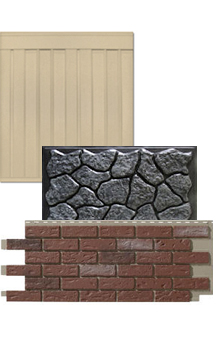
Skirting encloses the gap between the ground and the bottom of the home. It helps keep animals and debris out of the crawl space, improves energy efficiency by blocking wind, and gives the mobile home a more finished look. Options include vinyl, metal, insulated panels, and faux stone. Gaps, holes, or missing panels can lead to drafts, pest problems, or moisture issues under the home.
J-Channel
J-channel is trim used around windows, doors, and siding edges. It hides cut siding edges and guides water away from the wall, reducing the chance of leaks in vulnerable areas.
House Wrap
House wrap is installed under the siding as a weather-resistant but breathable barrier. It keeps wind and bulk water out while allowing water vapor from inside the wall to escape. This helps protect sheathing from rot and can improve energy performance.
K-Rail
K-rails, or Jersey barriers, often shape traffic flow in manufactured home communities or during installation, creating safer working areas for crews. Once crews secure and protect the exterior elements, they shift their focus inside—to the walls and finishes that define the interior and influence how future updates or repairs unfold.
Interior Wall Construction Terms
Interior wall types affect how easy it is to repair damage, paint, or remodel.
VOG Walls (Vinyl-Over-Gypsum)
Manufacturers use VOG panels—gypsum boards covered with a patterned vinyl coating—in many mobile home models because they install quickly and are easy to clean. Batten strips that match the pattern usually cover the seams between panels.
Tape and Texture Walls
Tape and texture walls use traditional drywall—taped, mudded, textured, and painted for a seamless look. They offer a flexible surface for future updates or repairs and provide a familiar finish inside the home. After understanding how interior walls are built, the next step is knowing the key utility and setup terms that come up during installation or service visits.
Utility, Installation & Setup Terms You’ll Hear During Service Visits
These terms commonly appear during installation, inspections, or repair visits.
Set-Up
Set-up is the full process of installing the home on-site. It includes placing the home on the pad, blocking and leveling, installing piers, setting tie-downs, sealing the marriage line, connecting utilities, and completing final checks.
Hook-Ups
Hook-ups refer to connecting water, sewer, and electrical service. Water lines may be tied into existing plumbing or new service lines. Sewer hook-ups must be sloped and sealed properly to prevent leaks and backups. Electrical hook-ups usually involve a licensed electrician running power from a pedestal or pole to the home and setting the main disconnect box.
Disconnect Box
The disconnect box is the exterior electrical shutoff for the HVAC system. It allows technicians to shut off power quickly and safely before servicing heating and cooling equipment.
Plumbing Chase
A plumbing chase is a hidden pathway that protects water lines and makes repairs easier without tearing open floors or walls. Together, these utility and setup terms round out the inner workings of the home, giving you a clearer picture of how everything connects and what keeps the structure running smoothly.
When the Terms Click, the Home Does Too
Once these mobile home terms start to click, conversations about repairs, inspections, or upgrades feel much more straightforward. You can follow what contractors are explaining, recognize the parts they point to, and make more confident choices about how and when to invest in your home. Instead of feeling like everything under the floor or behind the walls is a mystery, you have a working vocabulary to guide you.
At Mobile Home Parts Store, that is exactly the kind of knowledge we want to support. When you are ready to repair skirting, replace underbelly material, or improve your foundation system, you will find quality parts and experienced guidance to help keep your manufactured home safe, efficient, and comfortable for years to come.
Tags: manufacture home, mobile home, mobile home repair, mobile home terms

