 SIGN-UP FOR THE MHPS NEWSLETTER!









There’s a certain kind of moment every homeowner knows well. You spot something a little off—maybe a piece of trim that shifted, a door that suddenly won’t close right, or a drip under the sink that definitely wasn’t there last week—and you think, Well, that’s new. When that moment hits, it helps to have a few solid tools nearby so you’re not scrambling or borrowing from neighbors. A small but dependable set of tools, paired with the right mobile home supplies, can handle about 90% of the everyday fixes that come with living in a factory-built home.
And you don’t have to buy everything at once. Most toolkits start small and grow over time. One repair teaches you what you’re missing, and before long, you’ve built a setup that actually makes life easier.
Start With the Tools You’ll Use All the Time
These tools get grabbed the most—the ones you keep in a kitchen drawer, hallway closet, or wherever it’s easiest to reach them.
Hammer
A good hammer is the backbone of any toolbox. You’ll use it to tap trim back into place, pull loose nails from porch steps, or nudge framing back where it belongs. A 16-ounce hammer is strong enough for almost anything without being heavy or awkward in small rooms.
(And don’t be surprised if this ends up being the tool you loan out the most.)
Screwdrivers
Screwdrivers are the quiet workhorses of the house. Hinges, outlet covers, cabinet doors, return-air grilles, access panels—everything seems to use screws. A basic set of flathead and Phillips drivers will get you far. A multi-bit screwdriver is fine too, as long as the bits stay tight and don’t wiggle.
If you ever redo a cabinet hinge or a doorknob, you’ll be glad you bought decent ones.
Flat Bar
A flat bar is the “gentle persuader.” It slips neatly behind trim, lifts battens from vinyl-coated walls, and helps coax out nails in places your hammer can’t reach. When you need to pry something without damaging the surrounding material, a thin-tipped flat bar is worth its weight in gold.
Utility Knife
A sharp utility knife does more than cut boxes. It trims insulation, scores caulk lines, slices underlayment, and helps clean up edges around small repairs. A comfortable handle and easy blade change make it far more pleasant to use. Keep spare blades inside the handle, so you’re not hunting for replacements mid-project.
Step Ladder
A 4- or 6-foot step ladder is one of those things you don’t think about until you’re staring up at a ceiling vent from the ground. Whether you’re changing smoke alarm batteries, painting trim, or reaching the top of a window frame, a stable step ladder is a much safer alternative to standing on a chair and hoping for the best.
Get the Tools That Help You Measure and Straighten Things
A little accuracy saves a lot of frustration later.
Tape Measure
If you do anything involving doors, windows, skirting, shelving, or flooring, you’ll use a tape measure constantly. A 25-foot tape with a good locking feature makes working alone much easier.
It also saves you from ordering a part that’s half an inch too big or too small—an easy mistake in a world of specialty mobile-home sizing.
Level for Mobile Home Supplies Projects
Because factory-built homes settle a bit over time, things shift. A level helps you keep shelves straight, trim lined up, and replacement windows sitting square in their frames. A small torpedo level handles most indoor tasks, while a longer one helps outside when working with siding or skirting.
You’ll reach for this more often than you might think, especially for projects involving larger mobile home supplies like doors or trim.
Sealants and Tapes That Keep the Weather Where It Belongs
If you own a mobile home, you already know how important it is to keep moisture, wind, and temperature swings under control. A few sealing materials can save you from bigger headaches down the road.
Butyl Tape: One of the Most Important Mobile Home Supplies
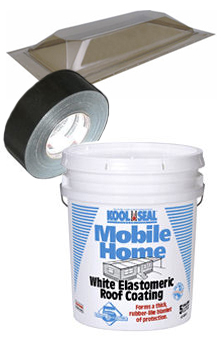
If you’ve ever installed a window, door, roof vent, or exterior trim, you’ve probably met butyl tape. It sticks to tough surfaces, stays flexible in heat and cold, and creates a seal that helps keep water out. It’s one of those items where once you use it, you understand immediately why so many mobile-home repairs rely on it.
For anything involving flanges, seams, or exterior trim, butyl tape is the first thing worth grabbing.
Caulk and Caulk Gun
Caulk fills the little gaps where drafts sneak in, or water tries to collect—around bathroom fixtures, along interior trim, or where counters meet walls. Acrylic-latex caulk works well in areas you’ll paint, while silicone holds up better in wet spaces.
A smooth-pull caulk gun helps you apply a cleaner, more controlled bead, and the built-in puncture tool is a small but useful bonus.
Quick-Fix Tapes
Duct tape and electrical tape aren’t permanent fixes, but they’re helpful to keep around. Duct tape can hold something in place until you finish the job, and electrical tape helps secure wire splices already inside their proper connectors. Think of these tapes as your short-term helpers while your real mobile home supplies do the long-term work.
Tools That Help Everything Work More Smoothly
These are the “why didn’t I buy this sooner?” items.
WD-40 or Multi-Use Spray
A short spray can free rusty screws, quiet a squeaky hinge, or help stubborn parts loosen without a fight. It works well on locks, steps, handrails, and exterior metal that sees a lot of weather. Wipe off the extra so dust doesn’t cling to it.
Cleaning and Prep Basics
A few rags, some gloves, and a basic cleaner make sealing jobs much easier. Tapes and caulk stick better to clean surfaces, and wiping down tools after each project helps them last longer. These little prep steps matter more than most people expect—especially with adhesive-based mobile home supplies.
Finishing Tools That Make Your Work Look Clean
Once the main repair is done, these tools help you wrap things up neatly.
Putty Knife
Whether you’re smoothing joint compound, lifting up old caulk, or scraping leftover adhesive, a putty knife earns its keep. A flexible one is best for patching and smoothing; a stiffer blade works well for removing thicker buildup.
Sandpaper or Sanding Sponge
Sanding helps blend old and new surfaces together. If you patch walls or adjust doors, a little sanding makes everything feel finished. Keep a couple of grits on hand: one for smoothing rough spots and one for fine finishing before painting or sealing.
Wet-Dry Vacuum (Nice to Have)
For plumbing repairs, dusty trim work, or underbelly access areas, a small shop vac keeps things clean and safe. It’s not essential every day, but when you need it, you really need it.
Your Toolkit Will Grow With You—Naturally
Most toolkits start with the basics: a hammer, screwdrivers, flat bar, utility knife, tape measure, level, step ladder, and a few sealing supplies like butyl tape and caulk. Add WD-40, a putty knife, sandpaper, and some cleaning rags, and you’re well on your way. That alone covers most repairs involving everyday mobile home supplies.
Over time, you’ll pick up things like channel locks, clamps, a stud finder, or a power drill as projects come up. You’ll learn what tools fit your home’s personality—every home has its own quirks—and which ones you rely on most. Good tools feel sturdy in your hand and make projects easier, not harder.
If you’ve ever spotted a problem and thought, “I should probably fix that before it gets worse,” you’re already the type of person who benefits from a solid toolkit.
Small Tools, Big Help From Mobile Home Parts Store
A few solid tools can turn most “uh-oh” moments into quick, manageable fixes. And when you’re ready to build out your kit—or refill the essentials—Mobile Home Parts Store is here with tools, sealants, and repair materials made for factory-built homes. Whenever you need the right part, or just the right place to start, we’ve got you covered.
Tags: mobile home parts, Mobile Home Parts Store, mobile home supplies

