 SIGN-UP FOR THE MHPS NEWSLETTER!












There’s nothing quite like relaxing at home—until a chilly breeze drifts across the living room or a rainstorm leaves damp spots below the sill. Air and water leaks around windows can quietly erode comfort, drive up energy bills, and, if ignored, turn into costly repairs. Fortunately, most leaks begin as tiny gaps that can be fixed in a single afternoon with a few basic supplies and a clear action plan.
This guide pairs practical how-to advice with a little encouragement—so you can protect your walls, floors, and peace of mind before minor leaks turn into major headaches.
Why Mobile-Home Windows Spring Leaks
Leaks don’t always make a dramatic entrance. Sometimes you feel a draft during movie night; other times, you spot a faint water stain after a summer downpour. Either way, the root causes tend to be the same:
- Worn-out caulk – Sun, wind, and time can dry out caulking until it cracks or pulls away from the frame.
- Aging weatherstripping – Flattened or brittle strips can’t keep out wind-driven rain or winter air.
- Shifting or settling frames – Even slight movement in the home can open gaps around a once-snug window.
- Warped or damaged sashes – Wood rot or heat-warped vinyl makes it tough to maintain a tight seal.
- Clogged weep holes – When these tiny drains fill with debris, trapped water sneaks indoors instead of flowing out.
Early Signs Something’s Off
Window issues don’t always begin with visible leaks. More often, they start with subtle changes that are easy to miss unless you know what to look for. Taking a few minutes to check in on your windows can help catch problems before they grow into something bigger.
Here are some common signs to watch for:
- Drafts around a closed window (a lit candle or tissue can help reveal airflow)
- Condensation or fogging between window panes
- Peeling paint, soft or swollen trim, or bubbling wallboard nearby
- A noticeable rise in heating or cooling bills
Noticing these symptoms early gives you the chance to make quick, affordable fixes—and avoid more serious repairs down the line.
Simple, Season-Smart Prevention
A handful of quick habits can keep both water and air on the outside where they belong:
- Inspect each window in spring and fall. Look for cracked glass, worn weatherstripping, or gaps in the frame.
- Clean the weep holes. Use a cotton swab or thin wire so rainwater can drain freely.
- Look over the sealant. If you see cracks or separation, scrape out the old material and plan to refresh it.
- Feel for drafts after big temperature swings. Settling often shows up as small gaps you can’t see but definitely feel.
- Replace tired weatherstripping. It’s inexpensive, installs with simple tools, and blocks both water and wind.
These bite-size tasks fit easily into a weekend tune-up and pay you back in lower energy bills and a cozier home.
How to Use Window Sealant—Step by Step
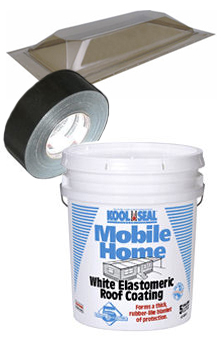
Even if you’re new to DIY projects, sealing a leaky window is a straightforward job. Gather a utility knife, painter’s tape, rags, a caulk gun, and a tube of high-quality exterior sealant, then follow these steps:
1. Remove the Old Bead
Slice carefully along the failing caulk line and lift it away. Take your time—thorough removal helps the new material bond properly.
2. Clean and Dry the Surface
Wipe the area down to remove dust, old caulk residue, and any mold or mildew. Let everything dry completely before moving on.
3. Apply a Fresh Bead
Cut the nozzle at a 45-degree angle, load the tube, and run a steady bead of flexible, weather-resistant sealant along each joint. Focus on corners and any spots where the frame meets the siding.
4. Tool It Smooth
With a gloved finger or caulk-finishing tool, press the sealant into the gap and smooth the surface in one continuous motion. A neat line isn’t just prettier—it’s tighter against leaks.
5. Respect the Cure Time
Even if it skins over fast, your sealant’s full cure happens deeper inside the bead. Follow the label’s timetable before exposing the window to heavy rain, power washing, or repainting.
6. Refresh the Weatherstripping
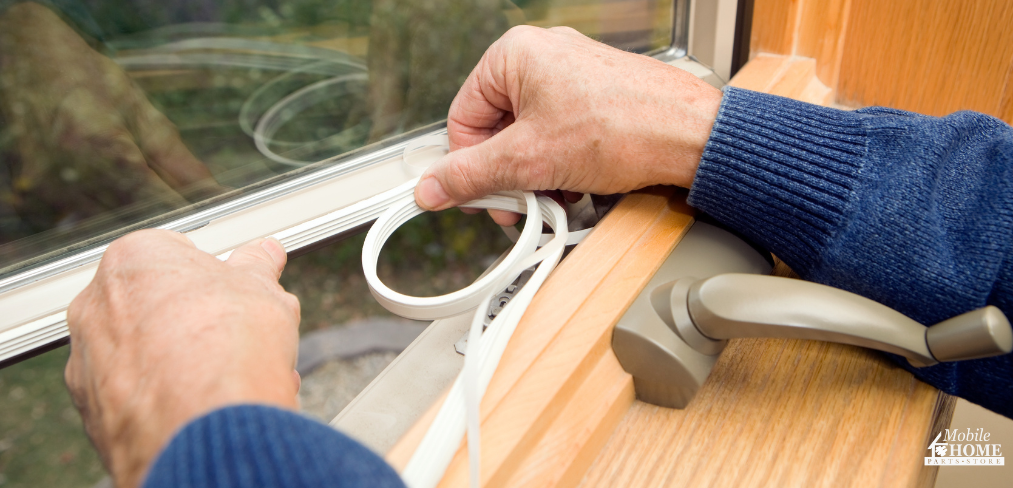
Pop the sash open, peel away flattened strips, and press new self-adhesive weatherstripping into place. Close the window firmly to set the bond.
That’s it—no special skills, just careful prep and patience while the materials set.
When a Pro Makes Sense
If repeated sealing hasn’t stopped the problem, or if you uncover soft studs, mold, or badly warped frames, calling a qualified contractor is the wisest move. A professional assessment can reveal structural issues, recommend proper replacement windows, or straighten frames before you reseal.
Think of it as safeguarding the bigger investment: your home’s structural health.
Conclusion
Whether it’s rainwater pooling on the sill or cold air sneaking in on a January night, window leaks are a reminder that homes need a little seasonal TLC. Tending to small gaps now—with fresh weatherstripping and the right sealant—keeps moisture out, warmth in, and energy bills on the friendly side of the ledger.
Addressing leaks early also protects walls, floors, and furnishings from hidden water damage or persistent drafts, preserving the cozy feel that makes a house truly home. A careful afternoon’s work today can spare you from major repairs tomorrow.When you’re ready to gather supplies or upgrade worn-out parts, Mobile Home Parts Store offers quality sealant, weatherstripping, and window components designed specifically for mobile homes—plus the know-how to help you finish the job with confidence.
Tags: mobile home windows, Sealants, Tapes & Sealants, Window Sealing

