 SIGN-UP FOR THE MHPS NEWSLETTER!






When the wind kicks up, the last thing you want is to wonder if your home’s going to stay put. Mobile home anchors aren’t exactly thrilling, but they’re one of those things that really matter—especially if you live in an area where the weather doesn’t always behave.
These anchors are what help keep your home where it belongs: safe, stable, and grounded. Whether you’re installing new ones or just making sure the ones you’ve got are doing their job, this guide will walk you through what you need to know. Let’s get into it.
What Are Mobile Home Anchors, and Why Do They Matter?
Mobile home anchors are part of a tie-down system—basically, they’re what keeps your home from shifting, sliding, or worse, lifting during a storm. Since mobile homes are lighter than traditional houses and often elevated, they’re more at risk when wind pressure picks up from the sides or underneath.
Anchors go into the ground (or a solid foundation), and then metal straps connect them to the frame of your home. That’s what holds everything in place. It’s not just about peace of mind—anchoring is a requirement under HUD building codes, and a key part of making sure your home can stand up to the elements.
Figuring Out What Your Mobile Home Needs
Single-Wide vs. Double-Wide
The size of your home plays a role in what kind of anchoring setup you need.
- Single-wides are more prone to wind lifting them from underneath, so they need both vertical and diagonal anchors.
- Double-wides are heavier and more stable by nature, so they typically just need diagonal tie-downs to keep them in place.
How Old Is the Home?
Older mobile homes—especially ones built before 1976—often use over-the-top tie-downs. You’ll spot them by the metal straps that go up and over the roof and connect to anchors on both sides. They still get the job done, but they can be a bit clunky.
Newer homes usually rely on frame tie-downs underneath. These strap into the steel frame under the floor. It’s a cleaner, stronger setup that’s better hidden from view and built to current standards.
What Wind Zone Are You In?
Not every area deals with the same kind of wind. That’s why HUD created three wind zones to guide how manufactured homes are anchored:
- Zone I: Covers most of the U.S.—homes here need to handle winds up to 70 mph.
- Zone II: Includes parts of the Gulf Coast and East Coast—winds can reach up to 100 mph.
- Zone III: Think Florida, southern Louisiana, and other hurricane-prone spots—homes here need to be ready for 110 mph winds.
To find out which zone your home was built for, check the data plate—usually tucked away in a kitchen cabinet, closet, or near your electrical panel. It’ll also list roof load and temperature zone info while you’re at it.
Choosing the Right Type of Mobile Home Anchor
Soil type and foundation make a big difference in which anchor will actually work. Here’s a look at the most common options:
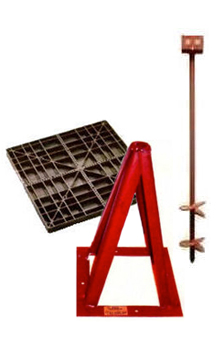
Auger Anchors
These screw into the ground and are a solid choice for most standard soil conditions—think soft or compacted dirt. They’re pretty straightforward to install and work well in most mobile home yards.
Drive Anchors
If your home sits on concrete or asphalt, drive anchors are the way to go. These get pounded or drilled directly into that hard surface and hold tight.
Deadman or J-Hook Anchors
Used when pouring new concrete, these anchors are set into the wet mix and locked in as it hardens. If you’re doing a fresh install or new slab, these are about as solid as it gets.
Hard Rock Anchors
If you’re in an area where the soil is mostly rock, you’ll need anchors designed to drill into that. Regular augers won’t cut it here—hard rock anchors are built for the job.
Helical Anchors
These are a little more specialized and often used in tricky soil or when space is tight. They require special equipment to install but offer a ton of holding power.
Whatever type you go with, just make sure it’s corrosion-resistant and rated to hold at least 3,150 lbs—pretty standard for keeping a mobile home steady.
Planning to Install Them Yourself? Read This First
Doing your own anchor installation? Totally doable—but it pays to take your time and get it right.
- Call 811 before you dig. You don’t want to hit buried power or water lines.
- Level the ground and check that the home sits evenly.
- Set your mobile home anchors below the frost line—this keeps them from shifting when the seasons change.
- Follow the manufacturer’s instructions for spacing and angle. It’s not one-size-fits-all.
- Use roof protectors if you’re installing over-the-top straps—protect that roof from wear.
- Keep anchors away from sprinkler systems or spots with heavy water runoff. Moisture equals rust.
Local codes can vary, so check in with your building inspector before you start. They might have specific rules for your area.
Check On Them From Time to Time
Mobile home anchors don’t need constant attention, but they’re not “set it and forget it” either.
- Inspect twice a year—a quick walk around in spring and fall can catch early signs of trouble.
- Look for rust, bent hardware, or loose straps.
- Make sure everything’s still tight and in the right place.
- Watch out for erosion or shifting ground around the anchor points.
- If anything’s looking worn or corroded, swap it out sooner rather than later.
And after any strong storm, it’s a good idea to take another look—just to be sure nothing moved.
A Good Anchor System Means One Less Thing to Worry About
Anchoring your home the right way isn’t just about checking a box for code compliance—it’s about knowing your home’s going to stay put when the wind rolls in. From picking the right mobile home anchors for your soil to installing them properly and checking on them every so often, the steps are pretty simple—and they’re worth it.
If you’re ready to replace old anchors, add new ones, or just want to make sure you’re doing things the right way, Mobile Home Parts Store has the gear and advice to help you do it with confidence. We’ve been helping folks keep their homes safe for years—and we’re always here when you need us.
Tags: anchors, mobile home anchor, Mobile Home Tie-Downs, Tie-Downs

