 SIGN-UP FOR THE MHPS NEWSLETTER!




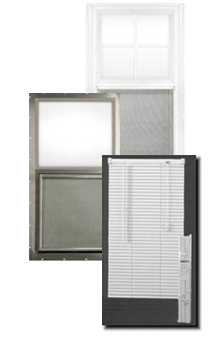




Upgrading your windows might not be the first thing you think of when you want to improve your home—but it can make a bigger impact than you’d expect. Whether it’s letting in more natural light, creating better airflow, or giving your space a much-needed refresh, the right windows can do a lot for the way your home looks and feels.
If you’re thinking about replacing windows in your home, you’ve probably come across two common types: single-hung windows (also known as vertical sliding windows) and sliding windows (those that open from side to side). Each one has its own strengths, and the one that’s best for your home often depends on what you already have—and what kind of upgrade you’re looking for.
Let’s walk through the differences so you can make a choice that feels just right for your space.
What Are Single-Hung Windows?
Single-hung windows are a familiar classic. They have two panes of glass—called sashes—but only the bottom one moves. You slide it up to open, and it stays within the frame, so there’s nothing swinging out into your yard or porch space.
These are what people often mean when they say vertical sliding windows, and they’re especially common in mobile homes because they’re practical and compact. If you have limited wall space or need to keep things simple in a hallway, bathroom, or smaller bedroom, these can be a perfect fit.
A few more things to love:
- They’re easy to operate—just slide the bottom sash up.
- They don’t take up any extra room when opened.
- They’re generally more budget-friendly than other styles.
- They seal tightly when closed, which helps with insulation and keeping energy costs in check.
What About Sliding Windows?
Sliding windows are designed to move side-to-side, much like a patio door. This gives them a wide, open feel—and they can bring in a lot of fresh air. If you have a larger wall opening or want to enjoy an unobstructed view of your yard, these might be just what you’re looking for.
They’re especially nice in living rooms, kitchens, or anywhere you want both ventilation and a sense of openness.
Why people love them:
- Super smooth to open—just slide it over.
- Great for wide spaces where vertical sliding windows might feel cramped or limited.
- Larger glass panels offer more light and better visibility.
- Their modern style pairs well with updated or minimalist home designs.
Can You Switch from One Style to Another?
This is a good time for a quick reality check. In most cases, the type of window you replace will need to match what you already have. If your window opening is wide and short, it’s likely built for a horizontal slider. If it’s tall and narrow, it was probably designed for a vertical sliding window.
Switching from one type to the other usually requires changing the structure of the wall—and that can be a big (and costly) project. So unless you’re building a new home or doing a major remodel, the best path is usually to stick with the existing window style—but that doesn’t mean you can’t upgrade to something that looks and performs better.
Comparing the Two: What Matters Most?
Still deciding what fits your needs best? Here’s a simple breakdown that can help you weigh the options:
| Feature | Single-Hung (Vertical Sliding) | Sliding (Horizontal) |
|---|---|---|
| Opening Style | Moves up and down | Slides left to right |
| Ventilation | Moderate airflow | Excellent airflow |
| Space Efficiency | Great for tight spaces | Needs wider wall space |
| Ease of Use | Very easy to open and close | Extremely smooth operation |
| View & Light | Average visibility | Tracks require occasional cleaning |
| Maintenance | Minimal upkeep | Wide, clear view |
| Style Fit | Traditional design | Modern and clean aesthetic |
| Cost | Often more affordable | Slightly higher upfront |
Things to Think About Before Replacing Your Windows
When you’re choosing between window styles, it’s not just about appearance. Your daily routines, the climate where you live, and even how you clean your windows can all play a role in what’s going to work best long-term.
Budget
If you’re looking for a cost-effective solution, vertical sliding windows are often the more affordable pick. But sliding windows can deliver more comfort and light—especially in larger spaces—making them a smart investment for the right rooms.
Room Layout
Bathrooms, hallways, and bedrooms often work better with vertical sliding windows. Kitchens and living rooms—especially with wider wall areas—are great candidates for horizontal sliders.
Airflow & Climate
Live somewhere warm or humid? Sliding windows can help ventilate your space quickly. In cooler climates, a well-fitted vertical window can be better for keeping the heat inside.
Maintenance
Sliding windows have tracks that may collect dust or debris and need to be wiped down now and then. Vertical sliders tend to have simpler mechanics and are typically easier to maintain overall.
Visual Impact
Both window styles come in a range of frame colors and finishes. Choose a style that complements your home’s existing exterior for a fresh, cohesive look.
Your Window, Your Way
At the end of the day, the best window for your home is the one that fits how you live. Whether you prefer the clean lines and easy breeze of a sliding window or the space-saving simplicity of a vertical sliding window, there’s no wrong choice—just the one that works for your space and your comfort.
And remember: even if you’re sticking with the same size and shape, you’ve still got room to choose upgrades like double-pane glass, vinyl framing, or better energy ratings. A little change can go a long way.
Looking to Get Started?
Whether you’re replacing older windows or making small upgrades to improve your home’s look and feel, Mobile Home Parts Store has a wide selection of both vertical sliding windows and sliding windows built to match common mobile home sizes.
Explore your options, compare features, and choose the right fit—no heavy remodel needed. A better window might be the simplest way to bring more light, comfort, and peace of mind into your home.
Tags: drafty windows and doors, Kinro Vinyl Window, mobile home windows, Window Sealing, windows

