 SIGN-UP FOR THE MHPS NEWSLETTER!








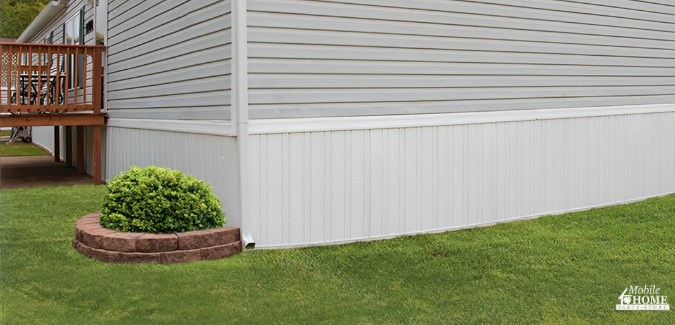
It’s easy to forget about the space under your home, out of sight, out of mind—until something calls your attention. A cold floor. A frozen pipe. A raccoon-sized surprise. That’s when skirting suddenly feels a lot more important.
If you’re thinking about replacing or upgrading your vinyl skirting, you’ve probably run into two main options: insulated and non-insulated. On paper, they seem similar. But the differences can really matter—especially when it comes to cost, climate, and how much work you want to take on.
Let’s walk through both and figure out what actually makes sense for your home.
What Does Vinyl Skirting Actually Do, Anyway?
Vinyl skirting is more than just a finishing touch. It covers the open space beneath a manufactured or mobile home and helps protect everything underneath.
It keeps out rain, wind, animals, and debris. It helps prevent heat loss during colder months. It even adds a cleaner, more polished look to your exterior. But more than that, it helps protect important systems—like plumbing lines and ductwork—that run underneath your home.
So yes, vinyl skirting matters. But what type do you choose? That depends on your setup and what you’re hoping to get out of it.
Insulated Vinyl Skirting: Extra Layers, Extra Considerations
Insulated skirting usually comes with built-in foam backing. The idea is to help maintain a more stable temperature in your home.
Some of the pros:
- Helps reduce cold drafts.
- Offers some protection against frozen pipes in harsh winters.
- It may give your HVAC system less work to do.
That said, it’s not always a must-have. Insulated vinyl skirting costs more. A lot more, in some cases. It’s also heavier and trickier to install—especially if you’re tackling it yourself. If you live in a region with tough winters and exposed plumbing, it could make sense. But for many folks, it’s more insulation than you really need.
Non-Insulated Vinyl Skirting: Straightforward and Solid
Then there’s non-insulated vinyl skirting. It’s the standard version—just sturdy vinyl panels with no added foam.
Here’s why people like it:
- It’s affordable.
- It’s lightweight, which makes installation more manageable.
- It still does the main job: keeping out pests, wind, and rain.
Non-insulated vinyl skirting is a solid choice if your climate is fairly mild or if you’ve already taken steps to insulate pipes. And if you’re looking for a practical, low-hassle way to clean up your home’s exterior, it fits the bill without overcomplicating things.
Climate Counts: What Works Where
Weather plays a big part in what kind of skirting makes sense.
- In colder climates, insulated vinyl skirting can help keep the area under your home warmer. That’s especially important if your plumbing isn’t fully insulated.
- In moderate or mixed climates, non-insulated skirting usually does the trick. You get protection and a finished look without the added cost.
- In warmer southern regions, insulation often isn’t necessary at all. Ventilation tends to matter more than heat retention.
Bottom line? Where you live makes a difference—and so does what’s already in place under your home.
Installation and Upkeep: How Much Work Are We Talking?
Insulated skirting is bulkier, so it’s a bit more work to install. You might need extra framing or stronger tracks to support the added weight. It’s doable, but not exactly beginner-friendly.
Non-insulated skirting is much easier to work with. The panels are lighter, simpler to cut, and easier to adjust around vents or uneven ground. That can make a big difference if you’re handling the project yourself—or planning to down the line.
Either way, upkeep is pretty simple:
- Rinse it off occasionally to clear dirt and buildup.
- Give it a once-over after heavy storms or high winds.
- Replace individual panels if they get damaged—usually a quick fix.
Energy Savings: Big Impact or Small Change?
Here’s the honest truth: insulated vinyl skirting can help reduce energy use, but the savings aren’t always dramatic. In some cases, it could take years for those savings to make up for the higher price tag.
Non-insulated skirting still helps keep air from circulating under your home, which can cut down on drafts and make your HVAC system more efficient. It’s just a simpler, more cost-effective way to get basic protection without overcommitting.
If your pipes are already insulated and your home is otherwise in good shape, you might not notice much difference with insulation.
Will It Last? Comparing Durability
Vinyl in general holds up well. It won’t rot, rust, or attract insects. And it’s made to deal with moisture and changing temps.
Insulated panels tend to be thicker, which can help in freeze/thaw conditions. But they’re also stiffer, which means they don’t flex as easily if the ground shifts.
Non-insulated vinyl skirting still offers plenty of strength—especially if it’s installed properly. And the flexibility can actually be a bonus in areas with high winds or movement.
So… What’s Right for You?
It helps to ask yourself a few questions:
- Do you deal with freezing temps every year—or just occasionally?
- Are your pipes already wrapped or protected?
- Is your main concern staying warm—or just keeping critters and drafts out?
- Are you comfortable tackling a DIY install?
- How important is cost in your decision?
There’s no universal answer here. But once they weigh the pros and cons, the right choice becomes pretty clear.
Don’t Overthink It—Pick What Works for You
At the end of the day, both insulated and non-insulated vinyl skirting are there to protect your home. One’s not better than the other—they’re just built for different needs.
If your winters are brutal and your pipes need extra protection, insulated skirting might be worth the investment. But if you’re in a spot where temperatures stay fairly reasonable—or you’ve already got things like plumbing taken care of—there’s nothing wrong with keeping it simple.
Non-insulated vinyl skirting does a solid job without the extra weight, cost, or hassle. It’s durable, it looks great, and it’s not trying to be more than it needs to be.
So take a look at your home, your climate, your comfort level with DIY—and trust your gut. You don’t have to go overboard to get the job done right.
And if you’re ready to start your project, Mobile Home Parts Store has what you need to make it happen—no pressure—just the right parts, when you’re ready.
Tags: deluxe vinyl skirting, mobile home skirting, Vinyl Skirting, vinyl skirting for mobile homes

