 SIGN-UP FOR THE MHPS NEWSLETTER!






Quick Overview
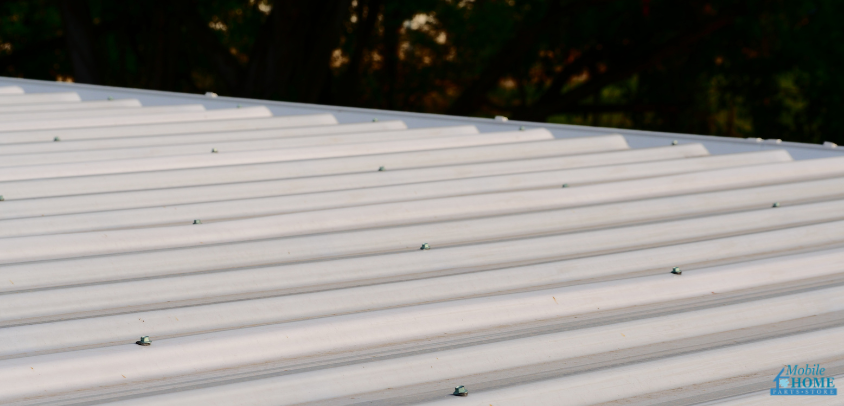
Elastomeric roof coating is a liquid-applied, flexible membrane that helps protect a roof from sun, moisture, and surface wear. On mobile homes, it is commonly used to seal minor cracks, reflect heat, and extend the life of a roof that is still structurally sound.
Summarize full blog with:
Your roof does not have to be in terrible shape before it needs attention. Sometimes the first signs are easy to miss: a surface that looks worn out, seams that are starting to show age, or a little more heat coming through than you remember. When the roof is still holding together but clearly not as protected as it used to be, elastomeric roof coating is often one of the first solutions worth looking at.
It is a liquid-applied coating that dries into a flexible, rubber-like layer over the roof surface. That layer helps protect the roof from sun, moisture, and everyday weather exposure. On many mobile homes, it can buy you time, help with heat buildup, and add protection in the spots that usually wear down first.
A lot of mobile homeowners come across this option after they start noticing early wear. Maybe the roof surface looks tired. Maybe there are small cracks, worn seams, or minor leaks around a vent or another penetration. In a lot of cases, the roof is still holding together, but the outer surface is starting to lose ground. That is where a mobile home roof coating can make sense. It is not the right answer for every roof, and it will not save a roof that has already failed, but it can be a practical step when the goal is to protect what is still working and slow down further wear.
How Elastomeric Roof Coating Works?
At the most basic level, an elastomeric roof coating is made to move with the roof instead of drying out and cracking too quickly. Once it cures, it forms a continuous membrane across the surface. That flexibility matters on mobile homes, where roofs spend every season dealing with direct sun, rain, temperature swings, and the steady expansion and contraction that comes with all of it.
Unlike a patch that only covers one trouble spot, the coating goes across the broader roof surface. That lets it do a few jobs at once:
- Reflect sunlight, especially in white formulations
- Add a protective layer over aging roofing material
- Help seal small surface cracks and seams
- Reduce direct weather exposure on the roof underneath
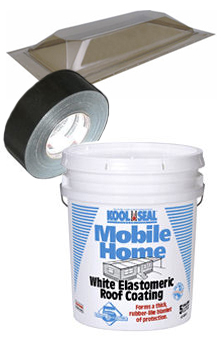
A lot of people know Kool Seal® because it is one of the names that comes up again and again in this category. For many homeowners, it is the product that made roof coating feel like a familiar maintenance option instead of something commercial or complicated.
Why Elastomeric Roof Coating Works for Mobile Homes
Mobile home roofs take a beating in a pretty exposed way. Broad, low-slope surfaces sit in direct sun for hours, then deal with rain, wind, and temperature changes on top of that. Over time, the outer layer starts to wear down, especially around seams, edges, vents, and other roof penetrations. A mobile home roof coating is often used to give that surface a fresh protective layer without tearing the whole roof apart.
That is usually why people start looking at coating in the first place. Compared with a full replacement, it is often less disruptive, easier to plan for, and easier on the budget. It can also be a smarter move when you are trying to stay ahead of leaks instead of waiting until water has already made its way inside.
That said, it only makes sense when the roof underneath is a good candidate. If the decking has gone soft, the seams have opened up badly, or water damage has already spread deeper into the roof system, coating is not going to solve that.
How Elastomeric Roof Coating Is Applied
Most elastomeric products go on as a thick liquid. People often compare the consistency to glue or heavy paint. Once it dries, it forms a smooth, flexible skin over the roof. On many roofs, it is rolled on with a thick-nap roller and brushed into tighter detail areas, though some products can also be sprayed.
Before any elastomeric roof coating goes on, the roof needs to be cleaned thoroughly. Loose dirt, chalky residue, old debris, and general roof grime can all get in the way of proper adhesion. A roof may look fine from below, but once you are up there, it usually becomes pretty clear that prep matters more than people expect.
The usual prep process includes:
- Removing loose dirt, leaves, and debris
- Washing the roof surface
- Letting it dry fully
- Repairing cracks, seams, and weak spots before coating
That repair step matters more than it often gets credit for. Many coating systems include a patching material for damaged areas first. Reinforcing mesh is often pressed into the wet patch material over cracks or seams, then covered again to hold it in place. Once those repairs dry, the full coating can go over the roof.
What Elastomeric Roof Coating Can Help With
A properly applied elastomeric roof coating can help with wear at the surface level, but it helps to be clear about what it can and cannot do.
It may make sense when:
- The roof surface is weathered but still generally sound
- You have minor cracking or small seam issues
- The roof gets extremely hot in summer
- You want to refresh the top layer before larger problems develop
It is not the right solution when:
- The roof has major structural damage
- Water has already soaked the decking
- There are soft spots across wide areas
- The roof material underneath is too deteriorated to hold a coating well
That difference matters. On the right roof, coating can extend service life and help you get more out of what is already there. On the wrong roof, it can make the surface look better while the real problem keeps moving underneath.
How Elastomeric Roof Coating Helps Reflect Heat
One of the main reasons people choose a white elastomeric roof coating is simple: it reflects sunlight. Instead of letting the roof absorb as much heat, a white coating sends more of that sun back away from the surface. That can make a noticeable difference on a mobile home during hot weather, especially when the roof takes direct sun most of the day.
A cooler roof surface can also mean less stress on the roofing material underneath. Over time, that may help slow some of the wear caused by long-term UV exposure. If you have ever touched a dark roof in the middle of summer, you already know how intense that heat can get. A bright white coated roof changes that in a real way.
That is part of why Kool Seal® became such a familiar name. The white finish is not just cosmetic. It is tied directly to how the coating helps manage heat and protect the roof surface underneath.
How Long Elastomeric Roof Coating Lasts
The lifespan of an elastomeric roof coating depends on a few things: the product itself, how thick it is applied, the condition of the roof below it, and how well the surface was prepared before the job started. Some coatings need attention again in several years. Others hold up much longer under the right conditions.
For many mobile homes, it makes more sense to think of coating as part of regular roof maintenance rather than a one-and-done fix. Some products may need recoating around the five-year mark. Others may go longer. What matters most is not letting the coating wear down unnoticed until leaks show back up.
Best Weather for Applying Roof Coating
This is one of those details that sounds minor until it causes a problem. Coatings need the right weather window. Most products need warm, dry conditions and enough daylight to start curing properly. If rain is coming, or temperatures are too low, the finish can suffer.
Moisture is another issue. If the roof is not fully dry, or dew settles in before the coating has cured, bubbling, blistering, or uneven drying can follow. That is often where a coating job starts to go sideways.
A mobile home roof coating usually performs best when the timing is right, the roof is dry all the way through, and the prep work is not rushed.
How Much Elastomeric Roof Coating You Need
Coverage depends on the product, but it is usually measured by square footage per gallon. Many systems call for two coats, not just one, so material needs can add up faster than people expect.
Before starting, it helps to think through:
- Total roof square footage
- Whether the product requires one coat or two
- Extra material for seams, vents, and repair areas
- Patch compound and reinforcing mesh
- A weather window that allows time for cleaning, repairs, and coating
This is one of the easier parts to underestimate. Roof coating is often not a one-afternoon job. There is cleaning, drying time, patch work, cure time, and then the coating itself. It usually goes better when you give the process enough room.
Elastomeric Roof Coating vs Roof Replacement
Sometimes it is. Sometimes it is not. The answer comes down to the roof you have right now.
If the roof is still solid and the main issue is surface wear, an elastomeric roof coating can be a sensible way to extend the roof’s service life and improve reflectivity without taking on a full replacement project. It can also be easier to budget for.
If the roof has widespread damage underneath, though, coating starts to look more like postponement than repair. A fresh white surface may look cleaner, but it does not fix soaked decking, failed seams, or long-term structural damage.
Usually, the more useful question is not whether coating is better than replacement in general. It is whether this specific roof is still a good candidate for coating. Once you answer that honestly, the next step usually becomes clearer.
What to Check Before Choosing a Roof Coating
Before picking up Kool Seal® or another mobile home roof coating, it is worth taking a closer look at the roof itself.
Check for:
- Cracks around vents and penetrations
- Open seams or lifted edges
- Areas where water tends to sit
- Rust or corrosion, if the roof is metal
- Soft spots underfoot
- Signs of interior leaking that may point to deeper damage
If the roof is in decent shape overall, coating may be a practical next move. If that quick check raises bigger concerns, it may be time to look more closely at repair work or replacement instead.
When Elastomeric Roof Coating Makes Sense
An elastomeric roof coating makes the most sense when the roof is showing its age but still has solid life left in it. It can help protect the surface, reflect heat, and seal vulnerable areas when it is used on the right roof and applied the right way.
For a lot of mobile homeowners, that puts it in a useful middle ground. It is more proactive than waiting for the next leak, but less involved than a full reroofing job. The product matters, of course, but so do the basics: solid prep, proper repairs, dry conditions, and a realistic read on the roof’s condition.
If you are looking into elastomeric roof coating, mobile home roof coating products, or familiar options like Kool Seal®, Mobile Home Parts Store carries roof maintenance and repair supplies that can help you protect the roof you already have and stay ahead of bigger problems.
Elastomeric Roof Coating FAQ
What is elastomeric roof coating?
+
How long does elastomeric roof coating last?
+
Can elastomeric roof coating stop leaks?
+
Is elastomeric roof coating good for mobile homes?
+
Can you use elastomeric roof coating on a metal roof?
+
How many coats of elastomeric roof coating do you need?
+
Does white roof coating help with heat?
+
Is elastomeric roof coating better than replacing the roof?
+
Tags: Aluma-Kote Aluminum Roof Coating, Elastomeric Roof Coating, Kool Seal, mobile home roof, Mobile Home Roof Coating

