 SIGN-UP FOR THE MHPS NEWSLETTER!








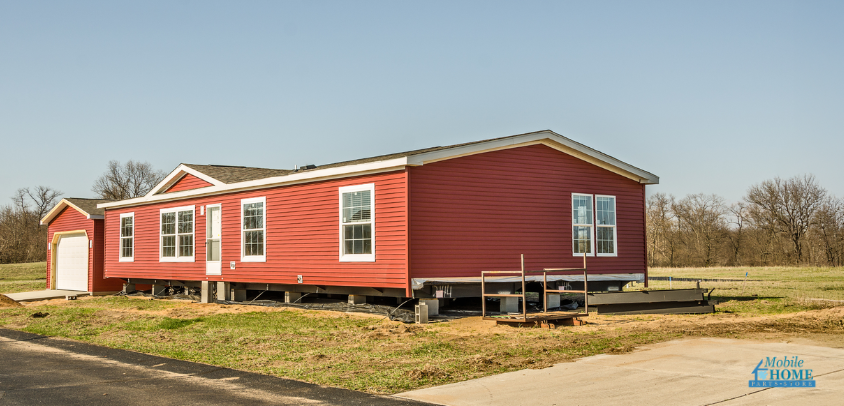
Let’s be honest—mobile home skirting probably isn’t the most thrilling part of homeownership. But it’s one of those things that, once done right, makes a big difference. Not just in how your place looks, but in how it holds up over time. It protects from weather, deters pests, and can even help lower your energy bills.
Still, picking the right skirting (or mobile home underpinning) isn’t always straightforward. With all the choices out there, it’s easy to feel like you’re guessing. So before you dive in headfirst, let’s walk through seven down-to-earth questions that’ll help you figure out what you need—and how to make sure your skirting does its job for years to come. We’re going to walk through seven questions that will help you get clear on what you need, what to expect, and how to get the job done right the first time.
1. Why is Mobile Home Skirting Important?
Skirting does way more than make your place look finished. It acts as a shield against wind, rain, snow, and all the little critters that might want to make themselves at home underneath yours. Without it, your pipes, wiring, and supports are exposed to the elements—and that’s just asking for trouble.
It also helps regulate the temperature under your home, which can keep your floors warmer in winter and cooler in summer. That means more comfort and less energy waste.
Pro tip: Walk around your home after a cold snap or heavy rain. Notice any drafts or signs of animals digging? That’s your home telling you it needs some protection.
2. What Skirting Material Should I Choose?
Once you know you need skirting, the next step is choosing what kind. There are a few popular options, and each one brings something different to the table.
Vinyl Skirting
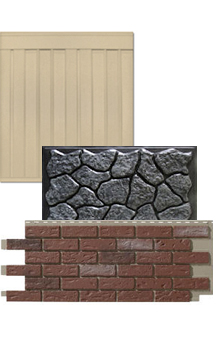
Vinyl skirting is the crowd favorite. It’s affordable, lightweight, and easy to install. Mobile Home Parts Store’s Deluxe Vinyl Skirting is a great example—it comes in a range of colors, and you can choose vented panels to help with airflow. Vinyl skirting is ideal for homeowners on a tight budget or those who want a simple DIY solution. Just keep in mind that vinyl can be less rigid than other materials – it might flex in high winds or crack if hit by lawn equipment – but overall it holds up well for the cost.
Simulated Rock Skirting
Looking for something tougher? Reil Rock skirting has that stone-look finish and is made from durable molded ABS plastic that stands up to wind, weather, and lawnmower battles.Simulated rock skirting is a great middle-ground choice for those willing to spend a bit more for longevity and a natural stone look.
Simulated Brick or Stone Skirting
And if you really want to level up your curb appeal, check out Novik’s faux brick and stone skirting. It comes in attractive color blends (e.g. classic red brick or rustic gray stone) and features built-in UV inhibitors so the color won’t fade over time. This class of skirting is very robust: it can handle extreme weather and even winds up to 150 mph thanks to its tough construction. The trade-off is cost – these are generally more expensive than vinyl or basic rock skirting . However, many homeowners consider them an excellent investment for the long term due to their durability and the boost in appearance they give the home.
Pro tip: Think about your priorities: Do you care more about cost, durability, or style? Once you know that, picking a material is a whole lot easier.
3. How Do I Measure for Skirting?
Let’s get practical. Before clicking “buy” on any skirting kit, you’ll need to figure out how much material to order. Measuring for mobile home skirting isn’t hard, but getting it wrong can create serious headaches.
Start with the perimeter of your home. Include porches or additions that need to be skirted too. Then, measure the height from the ground to the base of your siding at multiple points. The ground isn’t perfectly flat, so you’ll want an average height to work with. You can calculate an average height by adding all your height measurements and dividing by the number of measurements. The average height (plus a small buffer) will tell you what panel height to purchase.
From there, you can calculate how many panels to order. And don’t forget to buy a few extras in case of mistakes or future repairs. Remember you may need a few extra panels to cut for partial sections or mistakes. It’s often recommended to buy 10% more than you think you need, just in case – having an extra panel or two for future repairs is a good idea.
Pro tip: Use an online skirting calculator. It takes the guesswork out of figuring how much mobile home underpinning you need.
4. Can I Install It Myself?
If you’re reasonably handy, the answer is yes. Installing mobile home skirting is totally doable for DIYers.
You’ll need basic tools: a drill, tin snips or saw, a level, and some patience. The process? Attach the top and bottom rails, cut your panels to fit, and slide them in place. That’s the simplified version, but it’s not far off.
Heavier materials like Reil Rock or Novik might take an extra set of hands, especially if the weather isn’t cooperating. But overall, this is a project you can knock out over a weekend.
Pro tip: Watch a few tutorial videos before you start. Visuals can help more than written instructions ever will.
When to Hire a Pro
If you’re not comfortable with DIY or simply don’t have the time, hiring a professional can take the load off. A handyman or contractor experienced in mobile homes can typically install skirting for an hourly rate (often around $30–$60 per hour, depending on location). For an average single-wide, it might be a day’s work, whereas a double-wide could take two days – so factor that into labor costs. The upside is a pro will ensure everything is installed correctly and securely. There’s no shame in calling in help if you need it, especially if it avoids future issues from an improper installation.
5. Do I Need Ventilation?
Yes—and it matters more than you might think. Even though skirting keeps out the cold, it also traps moisture. And without proper ventilation, that moisture can cause mold, mildew, and rot.
Vent types
Ventilation can be built into the skirting in a few ways. With vinyl skirting, you can buy perforated (vented) panels that have rows of small holes pre-cut in them. For instance, the Deluxe Vinyl Skirting mentioned earlier provides about 4.9 square inches of ventilation per foot of panel. Another method is to install dedicated vent inserts – small louvered vents that you cut into solid panels. These often come with screens to keep bugs out. A good rule is 1 square foot of vent for every 150 square feet of floor space.
Pro tip: It’s a good idea to check your local building codes or park rules regarding skirting vents. Many codes explicitly state the required venting ratio (often the 1:150 rule) and require an access door as well. Being compliant will ensure you pass any inspections and, more importantly, keep your home healthy.
6. Should I Go with Insulated Skirting?
If you live in a colder region, insulated skirting can be a game changer. It keeps the crawl space warmer, which helps prevent frozen pipes and may shave a bit off your heating bill.
You can either buy insulated panels or add foam board behind your standard skirting. Either way, the extra layer of protection can make a noticeable difference when temperatures drop.
Pro tip: If winter has ever had you crawling under your home with a heat lamp and a prayer, insulated mobile home underpinning is worth every penny.
7. How Much Should I Budget?
Let’s talk money. Basic vinyl skirting typically starts around $500–$700 for a single-wide. Premium options like faux stone or brick from Reil Rock or Novik might run you closer to $1,000 or more.
Make sure your budget includes vents, an access door, trim pieces, railing and any tools or screws you might need. And if you’re hiring a pro, factor in labor too.
Pro tip: Add 10-15% extra to your total for surprise costs. It’s always better to have a little leftover than to come up short.
The Final Trim
Replacing or upgrading your mobile home skirting is one of those projects that’s easy to put off—until it’s not. But with a little planning and the right materials, it’s a project that can protect your home, improve energy efficiency, and give your place a cleaner, more finished look.
Whether you go for budget-friendly vinyl, durable Reil Rock, or upscale Novik panels, the key is picking what fits your needs and your home. And when you’re ready, Mobile Home Parts Store has everything you need to get the job done.
You’ve got this. Now go give your mobile home the upgrade it deserves.
Tags: Brick Skirting, deluxe vinyl skirting, mobile home skirting, mobile home underpinning, Novik Skirting, Reil Rock skirting, Skirting

