 SIGN-UP FOR THE MHPS NEWSLETTER!






If your shower could talk, it would probably have a lot to say about all the steam, soap, and daily wear it handles. Day after day, year after year, it’s your go-to spot for waking up, winding down, and washing away the messes of life. But even the toughest setups have a lifespan. If you’ve been wondering whether it’s time for a shower replacement in your mobile home, you’re not alone.
There’s no set “expiration date,” but materials, usage, installation quality, and maintenance habits all play a role. Replacing your shower before major problems appear can save money, protect your home’s structure, and keep your daily routine flowing. Many homeowners don’t think about it until they see cracks, stubborn stains, or low water pressure—by then, you’re often in repair-or-replace territory.
On average, showers last about 15–20 years, but if yours is 10 or more and showing its age, it’s smart to start looking into shower replacement options now.
How Long Do Showers Usually Last?
Not all showers are built the same, and the type of unit you have plays a big role in how long it will last before you need a shower replacement.
Fiberglass
Around 10–15 years with good care. Heavy use, abrasive cleaners, or lack of maintenance can shorten that span. Toward the end of its life, you may notice the coating wearing thin, making stains and scratches harder to clean. Hairline cracks and a noticeable “flex” underfoot are big red flags that replacement is on the horizon.
Acrylic
Often lasts 15–20 years when cleaned gently and supported well. Acrylic tends to hold its finish longer than fiberglass under typical use, which means it can stay looking new for more of its lifespan.
Tile (Less Common in Mobile Homes)
The tile itself can last decades—40 to 50 years or more—but grout and liners need periodic renewal. Pan liners usually give out earlier, often around 45 years.
Prefabricated Mobile Home Inserts
These mobile-home-friendly kits typically last 10–20 years, depending on use and maintenance habits. They’re designed to fit mobile home dimensions and plumbing, which makes installation easier but also means seals and joints need consistent upkeep.
Wear Parts With Shorter Lifespans
- Grout & Caulk: Expect to refresh grout every 8–15 years, depending on type and care. Caulk needs replacement more often—sometimes annually—to keep water from sneaking behind walls.
- Shower Valve & Trim: Replace when leaks develop, temperature control becomes unreliable, or if you’re upgrading for anti-scald safety.
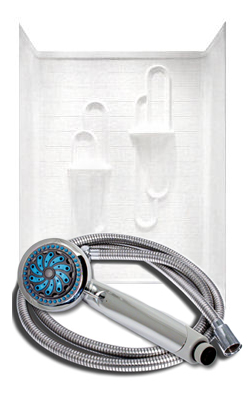
- Showerhead: Upgrading to a WaterSense 2.0 gpm model saves water without sacrificing comfort, and replacement is simple.
A little maintenance—like cleaning with non-abrasive products, re-sealing grout and caulk, and fixing small chips early—can stretch your shower’s lifespan and help delay the need for shower replacement. Hard water, soap scum buildup, and daily use can speed up wear, so consistent upkeep is key.
Signs It’s Time for Shower Replacement
Some warning signs are more than just cosmetic—they’re a nudge that it’s time to act:
Surface Damage You Shouldn’t Ignore
Cracks in the walls or base—even tiny ones—can allow water to seep behind the surface, leading to mold, soft spots, and structural problems, especially in mobile homes. While products like a Bathtub & Shower Epoxy Repair Kit can help repair damaged or leaking bath and tub fixtures, they are best suited for small holes or cracks up to 5 inches in length. With proper care and maintenance, these repairs can last for years, but they should never be considered a permanent or long-term solution.
Persistent discoloration or stains that remain after cleaning often indicate that the finish has worn away, signaling it may be time to plan for a replacement.
Moisture Red Flags
Musty odors, visible mold, or damp flooring near the shower pan usually mean there’s a leak that’s been around for a while.
Plumbing Performance Issues
If you’re dealing with weak water pressure that doesn’t improve after installing a new showerhead, the problem could be caused by corroded valves or mineral buildup in the plumbing lines. Another common issue is sudden temperature swings—those unexpected blasts of hot or cold water—which often point to a worn mixing valve that’s no longer regulating the water flow properly.
Function and Safety Concerns
Slippery floors, cramped layouts, hard-to-reach controls, or a lack of grab bars can make your shower less safe and comfortable, even if the finish still looks fine.
Repair or Replace? How to Decide
Repairs make sense when problems are small and isolated—like replacing a showerhead, re-caulking, or fixing one loose tile. These fixes can buy you extra time without the cost of a full shower replacement.
Replacement is smarter when you’re dealing with:
- Multiple cracks or a cracked shower base
- Leaks that keep coming back
- Mold behind walls or under flooring
- Repairs that cost more than half the price of a new unit
In mobile homes, there’s an extra layer to consider: lightweight framing and sensitive subfloors make moisture damage more serious. Plus, standard residential showers don’t always fit mobile home dimensions or plumbing layouts, so you’ll want a unit designed specifically for your space.
Factors That Affect How Often You’ll Need Shower Replacement
Your shower’s longevity depends on a few key factors:
- Installation Quality: A properly supported pan, sealed drains, and continuous waterproofing help a shower last much longer.
- Water Quality & Usage: Hard water shortens the life of fixtures, and large households put more daily stress on finishes.
- Maintenance Habits: Regular, non-abrasive cleaning; re-sealing grout and caulk; and repairing small issues before they grow.
- Ventilation: Good airflow reduces humidity, which helps prevent mold and moisture damage.
The better you care for your shower, the longer you can delay shower replacement—but even the best-maintained shower will eventually need it.
What to Expect During Shower Replacement
Timeline
- A direct swap can take 1–3 days.
- Custom tile or layout changes may take 1–2 weeks, especially if subfloor repairs are needed.
The Process
- Remove the old unit
- Inspect and repair any damage
- Update plumbing and valves if necessary
- Install waterproofing
- Set the new unit and seal
For a more detailed guide on the installation process, check out our articles Installing a Brand New Mobile Home Shower Pan or How to Install a Mobile Home Shower Surround for step-by-step instructions.
Cost Considerations
- A basic fiberglass unit might cost a few hundred dollars.
- Tile or custom setups can run into the thousands.
- The scope of work, materials, and any plumbing changes will affect the total price.
DIY or Pro?
You can DIY a shower replacement if you have plumbing skills and waterproofing know-how, but mistakes in mobile homes can get expensive quickly. A professional brings speed, warranties, and experience—especially if the job involves moving plumbing or replacing a base.
Smart Upgrades
This is the perfect time to think about:
- Water-saving shower heads
- Built-in shelves or seating
- Grab bars or low-threshold pans for accessibility
- Digital temperature controls for safer, more consistent water
Conclusion – When to Take the Next Step
There’s no exact formula for when a shower needs replacing, but most will hit that point around the 15–20-year mark. If yours is over 10 years old and showing cracks, leaks, or stubborn stains, it’s time to start planning.
The key is to act before hidden leaks cause bigger problems. Proactive shower replacement can protect your home, improve comfort, and give you the chance to choose features that fit your lifestyle.
When you’re ready, Mobile Home Parts Store can help you find mobile home-specific showers and components designed to fit your space and plumbing perfectly—so you get a smooth installation and a shower that will serve you well for years to come.
Tags: mobile home shower, mobile home shower pan, mobile home shower pans, Prefab Showers, walk-in shower

