 SIGN-UP FOR THE MHPS NEWSLETTER!








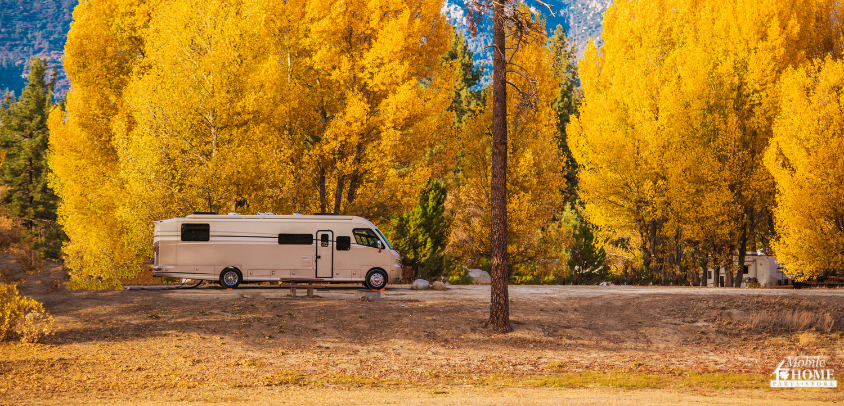
Crisp mornings. Shorter days. Campfires that feel a little better each night. Fall is a great time to get your rig dialed in so small issues don’t turn into big headaches. A little RV maintenance now can prevent leaks, dead batteries, frozen lines, and roadside surprises later. The goal here is simple: check the essentials, fix what’s easy, and head into cooler weather with confidence.
Roof & Exterior: RV Maintenance
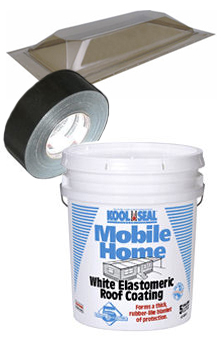
Start where water starts—at the roof. Give the membrane a slow, careful scan. Look for hairline cracks, soft spots, or seam separation around vents, skylights, antennas, and edges. If you see gaps, clean the area and reseal with Peel & Seal™ before fall rains test it for you.
Work your way down. Inspect window and door seals. Brittle or flattened weather stripping and caulking lets in drafts and moisture; replace it while the weather cooperates. Check exterior lights and lens covers; swap any burned bulbs so you’re visible in early dusk. Finally, extend the awning fully, brush off leaves and dirt, let it dry, and stow it clean to avoid mildew.
Once the shell is tight, you’ll actually feel the difference inside—quieter, warmer, less drafty.
Heat & Propane: Ready for Cold Nights
As part of fall RV maintenance, test the furnace before you need it. Turn it on, let it run, and listen. You’re checking for clean ignition, steady flame, and even airflow. Vacuum return grills and floor registers to clear dust and pet hair that choke circulation. If your system has a filter, replace it now.
Propane deserves the same attention. Inspect lines and fittings you can access. If you smell gas, stop and get a pro involved. Top off tanks early—consumption jumps when nights get cold. If you use a portable electric heater, choose one with a tip-over switch and avoid extension cords. Keep soft items away from heat sources, and make sure supply registers aren’t blocked by rugs or storage bins.
Plumbing & Water: Protect Lines from First Frost
Cold-weather RV maintenance means guarding your water system. Insulate exposed pipes with foam sleeves or heat cables rated for RV use. If you camp in shoulder-season temps, consider a heated drinking water hose and tank heaters to keep things flowing.
Now is a good time to flush the water heater to clear sediment. Confirm that the burner or element cycles on and off cleanly. If you’re slowing travel or parking for stretches, think about partial winterizing: bypass and drain the water heater, blow out lines, and add RV antifreeze per your owner’s manual. It takes less time than fixing a burst line later.
One last habit: keep the cabin a bit warmer overnight on hard-freeze forecasts. A small temperature bump can make the difference between safe and frozen.
Tires, Brakes & Running Gear
Rubber stiffens as temperatures drop, and pressure falls with it. RV maintenance also includes tire pressure checks before each drive. Inflate to the manufacturer’s spec (by axle/load if your rig provides it). Inspect tread depth and sidewalls for cuts, bulges, or dry rot. Don’t forget the spare—press it up and make sure the carrier isn’t seized.
While you’re there, take a minute on brakes, bearings, and suspension. Look and listen for grinding, uneven wear, leaks, or looseness. Re-torque lug nuts to spec if wheels were off recently or the rig sat through summer. A quick crawl and a good flashlight now can prevent a tow later.
Power Systems: RV Maintenance
Batteries work harder in the cold. Clean the terminals and neutralize any corrosion. Check the resting voltage with a multimeter and charge fully. If a house battery won’t hold a charge, replace it before your first chilly weekend, not after it fails at dusk. For flooded lead-acid types, confirm fluid levels with distilled water.
Run the generator under load for about 30 minutes. Watch for steady output and smooth sound. Change oil and air filters on schedule. Quick visual once-overs matter too: look at power cords, plug blades, and shore connections for heat damage or fraying. RV electrical systems differ from a home’s—use gear rated for mobile use and avoid overloaded adapters.
Safety, Interior & Cold-Weather Gear
Tap the “test” button on smoke and carbon monoxide detectors. Swap batteries on anything that chirps or looks old. Check fire extinguishers: gauge in the green, pin in place, nozzle clear. Keep one within easy reach of the galley.
Inside, declutter and reset for the season. Rotate in warmer bedding and a couple of extra throws. Store gloves, hats, and rain layers by the door so they’re easy to grab. Give appliances a quick clean and confirm the cooktop ignites smoothly. Restock pantry basics that shine in cooler weather—soups, oatmeal, hot drinks. A compact roadside kit with jumper cables, flashlight, tire gauge, and reflective triangles belongs near the entry, not buried under chairs.
If You’re Parking for the Season
Not everyone chases foliage. If your rig is staying put, you’ll want a short storage routine. Wash and wax the exterior so grime doesn’t sit for months. Cover the tires to block UV. A breathable cover can keep leaves and water off the roof without trapping moisture.
Inside, empty perishables, prop doors, and cabinet fronts are placed slightly, and moisture absorbers are placed in a few zones. Fully winterize the plumbing: drain fresh and waste tanks, bypass and drain the water heater, and add antifreeze as directed. Disconnect batteries and store them in a dry, temperate place or keep them on a smart maintainer. End-of-season RV maintenance protects your investment and makes spring setup much easier.
Quick Troubleshooting as Temps Drop
- You feel drafts along the floor: re-check door sweeps and weather stripping.
- Furnace runs, but it’s still cold: clear returns and registers; confirm thermostat placement isn’t near a cold window.
- Low water flow on cold mornings: inspect hose insulation and consider a heated hose.
- Dim lights even on shore power: test battery health and inspect ground connections.
These little checks can save a trip or a service call.
Ready for the Road Ahead
Do a careful walkaround, bring a notepad, and work the list in two sittings rather than trying to do everything in one shot. You’ll catch more, rush less, and start fall travel feeling ready. When it’s time to replace a seal, swap a detector, or pick up a heated hose, you can find the parts and tools you need at Mobile Home Parts Store—and move through your list with less hassle and more confidence.
Tags: RV, RV life, rv maintenance, rv repair, RV roof maintenance

